
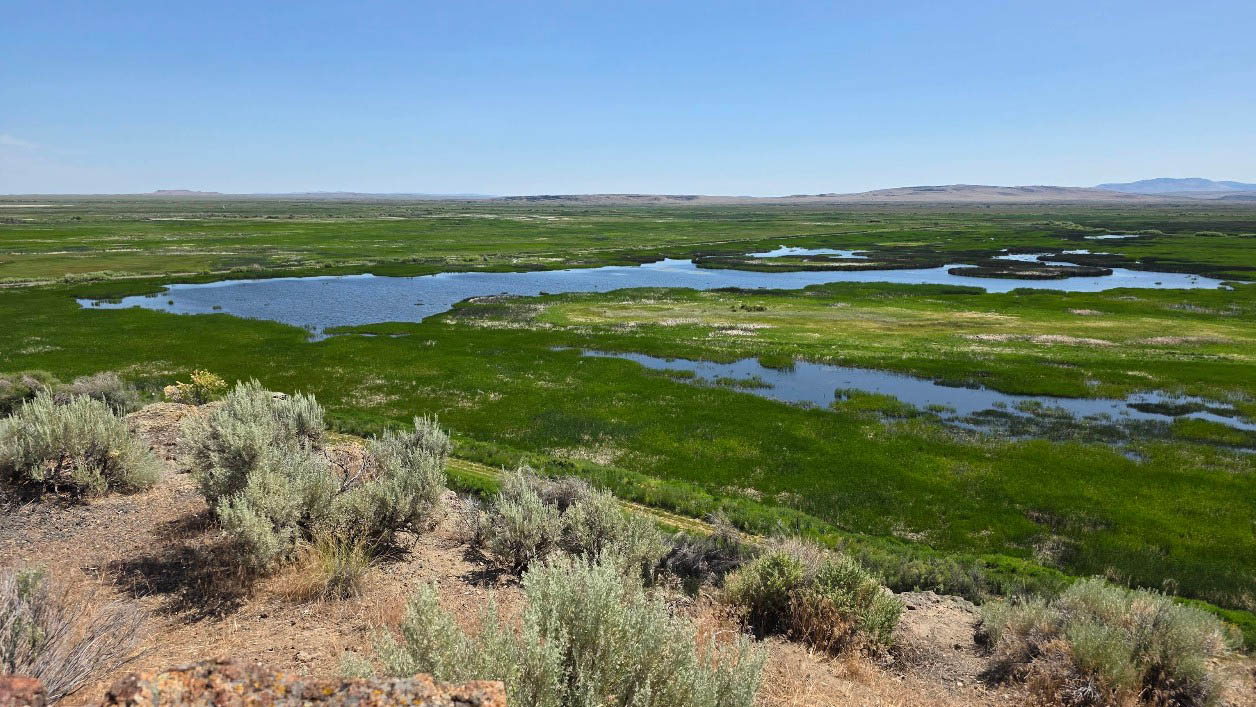
Just days after Oregon hunters and anglers were already fired up over the controversial IP28 ballot initiative, another major hunting story is making waves across the country, and this one could directly affect access to public lands across the Pacific Northwest.
The U.S. Fish and Wildlife Service has announced a proposal that would dramatically expand hunting and fishing opportunities on federal refuge lands nationwide, potentially opening more than 92 million acres (over 95% of National Wildlife Refuge System lands) to hunting access.
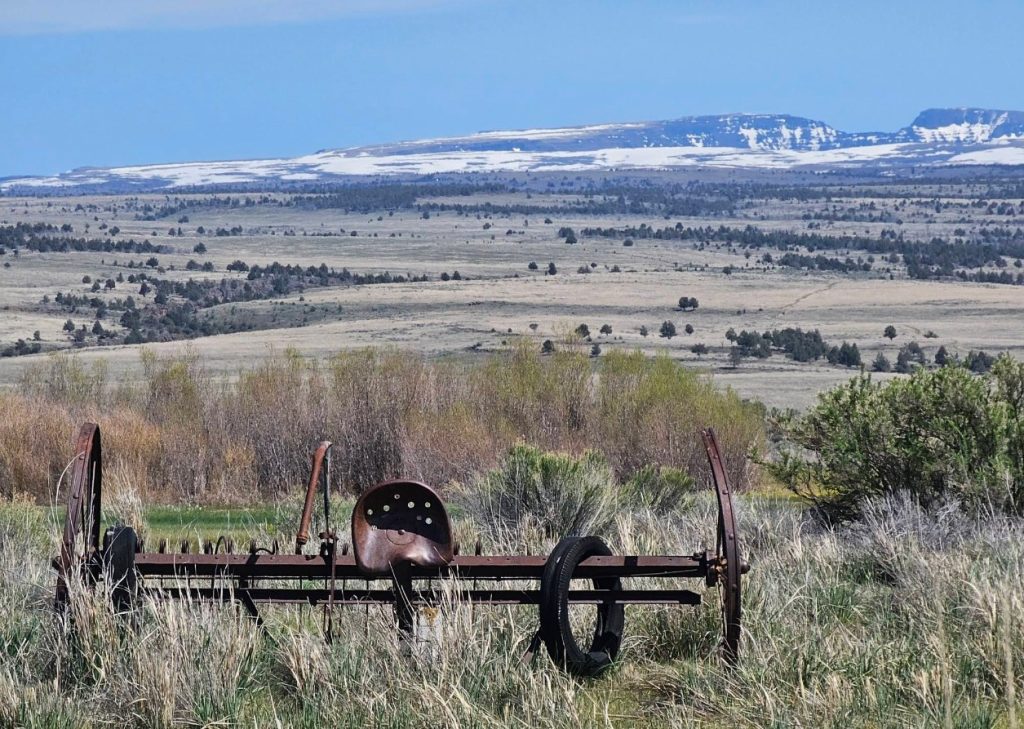
For many Oregonians, especially those in rural communities where hunting and fishing are deeply tied to family traditions, conservation funding, and outdoor culture, the timing feels impossible to ignore.
And yes, people are already connecting it to Oregon’s own heated battle over hunting rights.
Why This Matters in Oregon
Oregon is home to some of the most iconic wildlife refuges and public hunting lands in America.
Places like the Malheur National Wildlife Refuge, sprawling wetlands in Klamath Basin, and massive tracts of federally managed land in Eastern Oregon have long been part of the state’s outdoor identity.
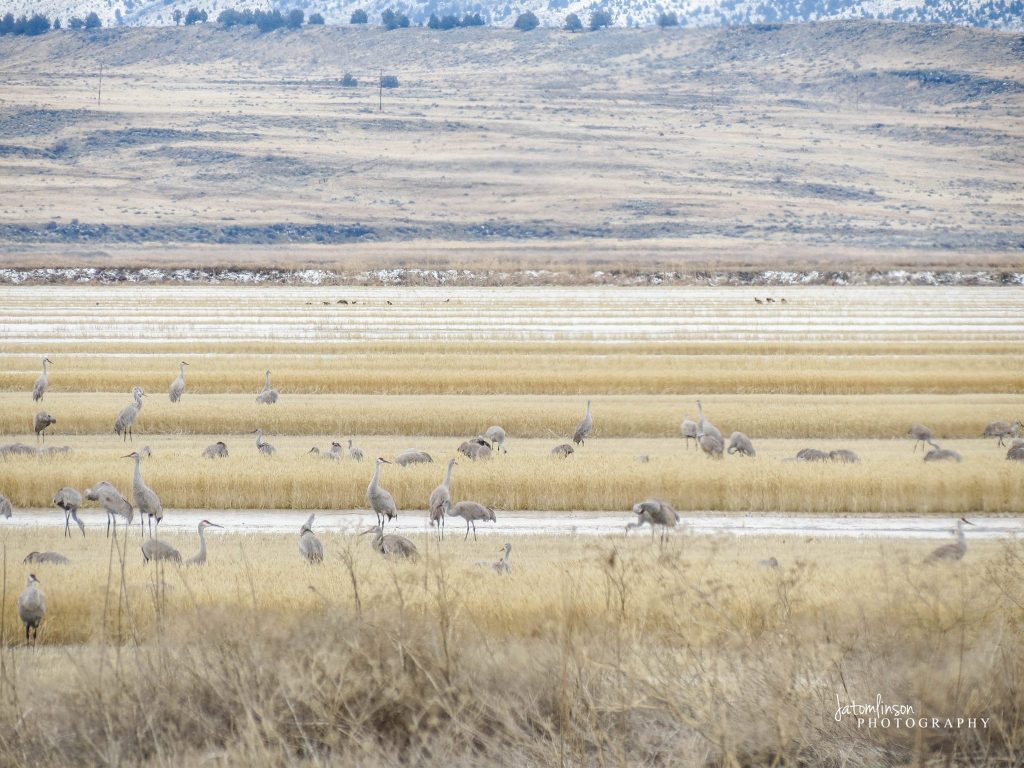
For generations, Oregon hunters have filled freezers with elk, deer, ducks, and upland birds while anglers have depended on public access to rivers, lakes, and hatcheries across the state.
Now, federal officials say they want to expand that access even further.
According to the Department of the Interior, the proposal would create or expand hunting and sport fishing opportunities across dozens of refuges and hatcheries in 32 states.
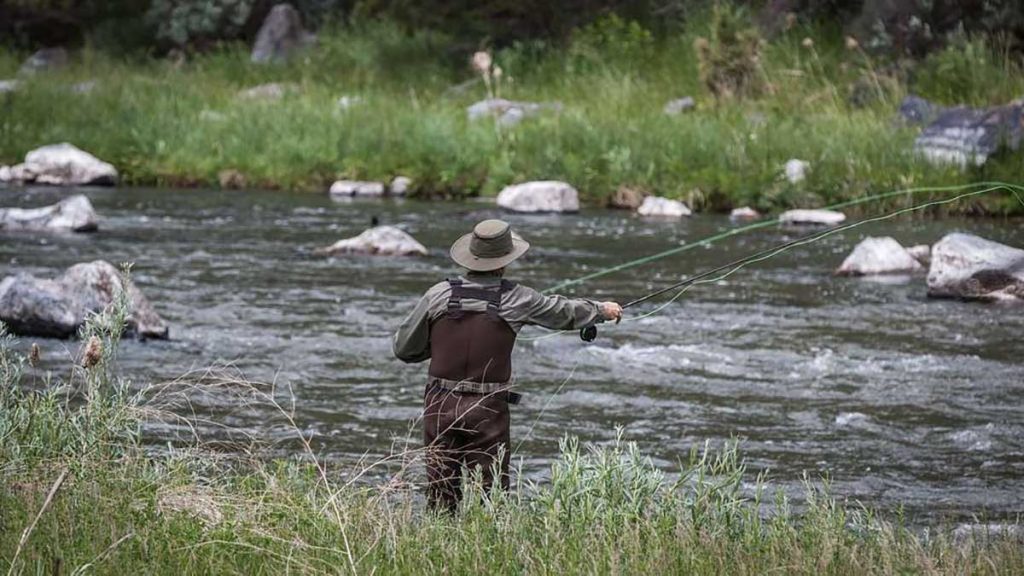
Supporters say the move strengthens conservation efforts, boosts rural economies, and protects a tradition that has steadily declined in recent decades.
Critics, meanwhile, argue the proposal could increase pressure on wildlife, create conflicts with other recreation users, and shift the mission of wildlife refuges too far toward hunting access.
The Bigger Picture: Hunting Culture Is Shrinking Nationwide
One of the most surprising details in the federal discussion is just how much hunting participation has dropped in America.
According to reporting from the Associated Press, only about 4.2% of Americans identified as hunters in 2024.
That decline matters because hunting and fishing licenses help fund wildlife management programs across the country, including habitat restoration, hatcheries, conservation projects, and enforcement efforts.
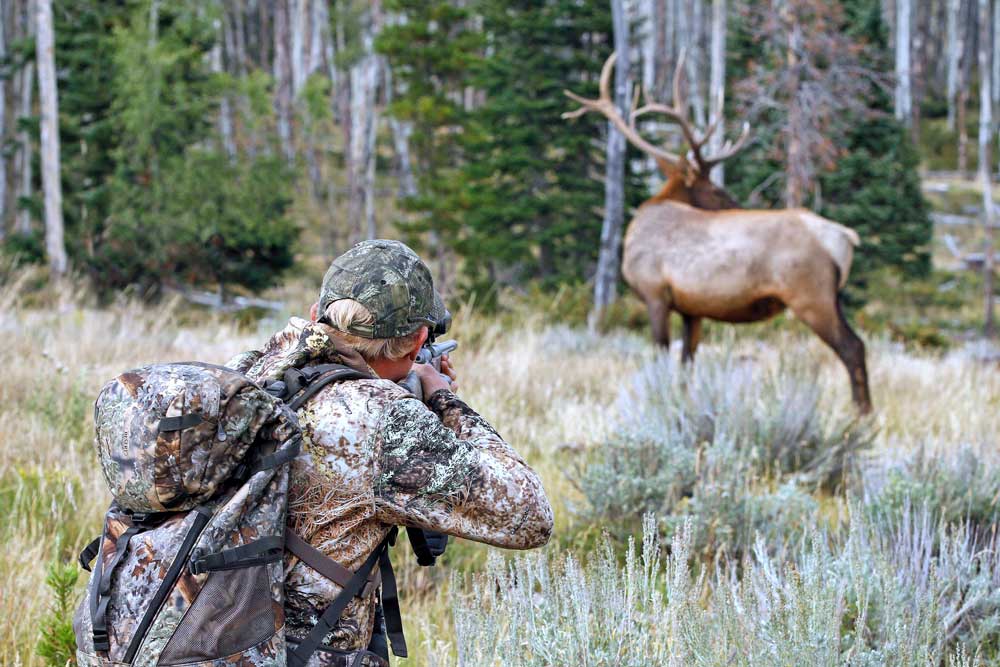
A lot of non-hunters don’t realize this, but many of Oregon’s wildlife conservation programs are partially funded through hunters and anglers purchasing tags, licenses, and equipment.
Even people who never hunt benefit from those dollars.
That’s part of why the issue has become so emotional here in Oregon lately.
Oregon’s IP28 Fight Is Already Fueling Tensions
If you’ve been following Oregon news this week, you’ve probably already seen the outrage surrounding Initiative Petition 28, the proposed ballot measure that critics say could effectively criminalize hunting, fishing, and even standard animal husbandry practices in Oregon.
Supporters of the measure frame it as an animal rights initiative.
Opponents see it as a direct attack on Oregon’s outdoor culture and rural way of life.
And now, while Oregon debates whether hunting and fishing could face major restrictions in the future, the federal government is simultaneously moving in the opposite direction by expanding access nationwide.
That contrast has not gone unnoticed online.
For many Oregonians, especially in small towns where hunting season is as much a tradition as county fairs or Friday night football, the federal announcement feels like validation that hunting still plays an important role in conservation and public land use.
Others argue the expansion sends the wrong message at a time when wildlife populations and ecosystems are already under pressure.
What Could Change on Federal Lands?
The proposal still has to move through a public review process, but if finalized, it would mark one of the largest hunting-access expansions in modern U.S. Refuge history.
The broader push from the Interior Department also follows earlier federal orders encouraging agencies to remove what officials called “unnecessary barriers” to hunting and fishing on public lands.
That could mean:
- Expanded hunting seasons in some areas
- New access to previously restricted refuge lands
- More fishing opportunities
- Easier access for sportsmen on federal property
Some conservation groups and hunting organizations applauded the move almost immediately, calling hunters and anglers some of America’s strongest conservation advocates.
But critics say refuges were originally intended first and foremost for wildlife protection, not recreation expansion.
Oregon Hunters Say This Is About More Than Recreation
For many people in Oregon, this debate goes far beyond simply “liking hunting”.
In rural communities, hunting often means:
- Filling the freezer with meat
- Passing traditions down to children
- Wildlife population management
- Funding conservation
- Maintaining access to public lands
And that’s why discussions around both the federal proposal and Oregon’s IP28 initiative have become so intense.

To supporters, hunting represents stewardship, self-reliance, and a way of life that helped shape Oregon itself.
To opponents, expanding hunting access raises difficult ethical and environmental questions about how wildlife should be managed moving forward.
Either way, one thing is clear:
The battle over hunting, fishing, and public land access is no longer just happening in rural America.
It’s becoming one of the biggest cultural debates in Oregon right now.
FAQ
Is hunting currently allowed on federal refuge lands?
Yes, many National Wildlife Refuges already allow regulated hunting and fishing, but the federal government is proposing to expand those opportunities significantly.
Would this affect Oregon?
Potentially, yes. Oregon contains major federally managed wildlife lands and refuges that could be impacted by future access expansions or policy changes.
What is IP28 in Oregon?
Initiative Petition 28 is a proposed Oregon ballot initiative backed by animal rights activists that opponents say could criminalize hunting, fishing, and many traditional farming or livestock practices.
Why do hunters say hunting helps conservation?
License fees, tags, and federal excise taxes on hunting and fishing equipment help fund wildlife management and habitat restoration programs nationwide.
Has the federal proposal been finalized yet?
No. The proposal still has to go through a public review and approval process before becoming official.