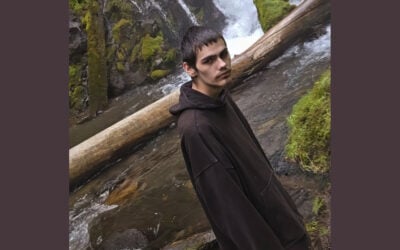


Until recently, most Oregonians had probably never heard the name David Michelson.
Now, thanks to Initiative Petition 28, or IP28, his campaign has become one of the most talked-about political issues in Oregon’s outdoor community.
The official That Oregon Life store
The Oregon you bring home.
Start the day with Oregon-roasted coffee, then find original gear inspired by the places, stories, and oddities that make this state ours.
Shop Oregon gear
Michelson is the chief petitioner behind IP28, the latest version of a proposal that has previously appeared as IP13 and IP3. While supporters describe the measure as an effort to eliminate exemptions in Oregon’s animal cruelty laws, critics argue it goes much further than that. Much, much further.
In fact, opponents say the measure could affect hunting, fishing, trapping, livestock production, poultry farming, animal breeding, rodeos, pest control, and even some forms of medical research involving animals.
That’s a lot bigger than a hunting bill.
As someone who has spent years traveling Oregon, writing about its small towns, public lands, ranches, fishing communities, outdoor traditions, and wildlife, I find myself asking a simple question:
Does this really sound like Oregon?
Whether you’re a hunter or not, whether you’ve ever cast a fishing line or stepped foot on a ranch, IP28 raises questions that reach far beyond a single interest group.
What caught my attention most wasn’t simply the language of the proposal itself. It was the broader vision behind it.
According to multiple published interviews, Michelson has openly acknowledged that the measure is unlikely to pass in 2026. Instead, he has described the effort as part of a longer campaign to shift public attitudes about animals and their use by humans. According to one interview, the goal is persistence and changing the conversation over time.

That may be the most important detail of all.
This isn’t simply a campaign focused on one election cycle. By Michelson’s own account, it’s part of a long-term effort to reshape how society views hunting, fishing, farming, ranching, food production, and animal ownership.
Michelson has publicly stated that he views IP28 as part of a longer effort to shift public attitudes about animals and their use by humans. Readers interested in hearing directly from Michelson can watch the interview below and draw their own conclusions.
Supporters may see that as progress.
Many Oregonians see it differently.
One of the biggest misconceptions about IP28 is that opposition comes exclusively from hunters.
That’s simply not true.
What makes this proposal so remarkable is the breadth of the opposition it has generated.
Organizations representing hunters, anglers, ranchers, farmers, livestock producers, conservationists, and wildlife advocates have all raised concerns. National groups including Ducks Unlimited, the National Wild Turkey Federation, Theodore Roosevelt Conservation Partnership, Congressional Sportsmen’s Foundation, and numerous Oregon agricultural organizations have publicly opposed the proposal.
Think about that for a moment.
How often do you see hunting organizations, conservation groups, ranchers, and agricultural interests all standing shoulder to shoulder on the same issue?
Not often.
Yet here they are.
That alone should tell voters something.
Critics argue that IP28 threatens far more than recreational hunting seasons. They say it challenges the very framework through which wildlife conservation, food production, and animal management currently operate in Oregon.
Many people are surprised to learn that hunting and fishing licenses help fund wildlife conservation efforts. Hunters and anglers contribute through license fees, tags, and federal excise taxes on outdoor equipment. Those dollars help pay for habitat restoration, wildlife research, conservation projects, public access programs, and management efforts that benefit both game and non-game species.
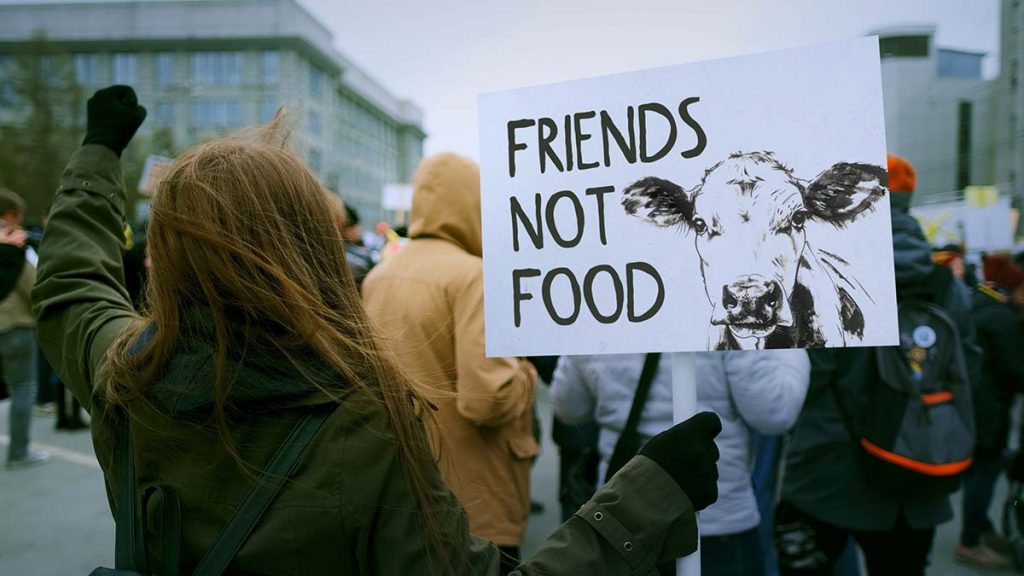
Opponents warn that eliminating hunting and fishing could dramatically reduce that funding stream.
Then there is the economic impact.
According to opponents of the measure, Oregon is home to more than 330,000 licensed hunters and more than 500,000 licensed anglers. Hunting and fishing contribute an estimated $1.9 billion annually to Oregon’s economy through equipment purchases, travel, lodging, fuel, restaurants, guide services, and countless small businesses that depend on outdoor recreation.
For many rural communities, those dollars matter.
A lot.
And that’s why so many people outside the hunting community have started paying attention.
The debate over IP28 is no longer simply about deer hunting or salmon fishing.
It’s about whether Oregon should move away from a system that has existed for generations and replace it with a fundamentally different philosophy regarding the relationship between humans and animals.
Reasonable people can disagree on that question.
But voters deserve to understand exactly what is being proposed before they cast a ballot.
They deserve to know who is behind the effort.
They deserve to know what the long-term goals are.
And they deserve to know why such a broad coalition of Oregonians has organized in opposition.
I’ve spent enough time in this state to know that Oregonians don’t agree on much.
But when hunters, anglers, ranchers, farmers, conservationists, and outdoor advocates all start sounding the alarm at the same time, it’s worth listening.
Because regardless of where you stand on hunting or animal rights, IP28 isn’t just another ballot measure.
It’s a vision for a very different Oregon.
Another aspect of IP28 that doesn’t get nearly enough attention is what it could mean for food production.
Most Oregonians don’t hunt elk or raise cattle. But nearly everyone depends on farmers, ranchers, dairies, poultry producers, and local food systems every single day.
Critics of the measure argue that by removing long-standing exemptions in Oregon’s animal cruelty statutes, IP28 could create major legal questions surrounding livestock production, breeding, and the raising of animals for food.
Whether you buy beef from a rancher in Eastern Oregon, eggs from a local farm, milk from an Oregon dairy, or chicken from a grocery store, food doesn’t simply appear on a shelf. It comes from a system built around raising animals, producing food, and feeding communities.
For generations, many Oregonians have taken pride in being able to provide for themselves. Some fill their freezers with deer or elk. Others raise chickens, cattle, sheep, or pigs. Others simply prefer buying food from local producers instead of relying on products shipped from thousands of miles away.
Critics argue that IP28 threatens that self-reliant way of life.
In a world where supply chain disruptions, inflation, and food shortages have all become part of the national conversation, many Oregonians are asking an obvious question: Why would we make it harder to produce food locally?
The Oregon I know values self-sufficiency.
It’s the ranch family in Harney County raising cattle.
It’s the fisherman bringing salmon into port on the coast.
It’s the family filling a freezer with venison for the winter.
It’s the small farm selling eggs at a local market.
It’s neighbors sharing food they produced themselves.
Whether you hunt or not, whether you ranch or not, that spirit of self-reliance has always been part of Oregon’s identity. And for many critics of IP28, that’s exactly what’s at stake.
Why Critics Say IP28 Matters To Every Oregonian
- This is the third version of the proposal, following earlier efforts known as IP13 and IP3.
- Critics say it could affect hunting, fishing, trapping, livestock production, ranching, breeding, rodeos, pest control, and some forms of animal research.
- Opposition includes hunting organizations, ranching groups, farming organizations, livestock producers, conservation organizations, and outdoor recreation advocates.
- National organizations such as Ducks Unlimited, National Wild Turkey Federation, Theodore Roosevelt Conservation Partnership, and Congressional Sportsmen’s Foundation have publicly opposed the proposal.
- More than 330,000 licensed hunters and 500,000 licensed anglers could be affected.
- Hunting and fishing contribute an estimated $1.9 billion annually to Oregon’s economy.
- Critics argue the measure could undermine the North American Model of Wildlife Conservation by reducing conservation funding generated through licenses, tags, and excise taxes.
- David Michelson has publicly acknowledged that even if IP28 fails, supporters intend to continue advancing the effort in future election cycles.