
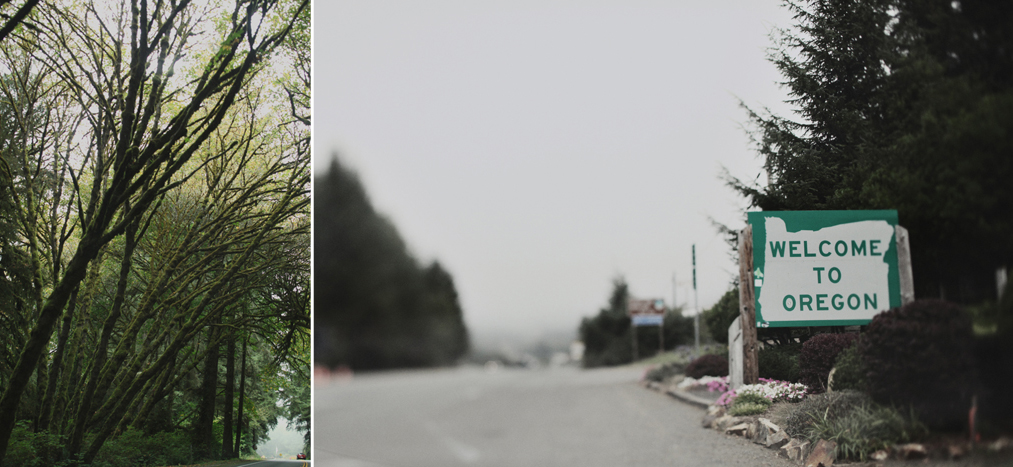
Oregon has a two-sided state flag, a lake nearly 2,000 feet deep, and a fungus that spreads beneath thousands of acres of forest. It also gave the world Tater Tots and once tried to solve a beached-whale problem with dynamite. We have range.
These 40 fun facts about Oregon cover the state’s landscapes, history, food, inventions, and stranger moments. Some are familiar favorites; others deserve a place in your next road-trip trivia game. We checked the claims, replaced outdated statistics, and linked the sources so you can follow the stories further.
Fact-checked and updated September 19, 2026. Originally published in 2016.
Five Oregon facts to start with
- Crater Lake is the deepest lake in the United States at 1,943 feet.
- Oregon’s state flag has different designs on its two sides.
- Portland’s name was decided with a coin toss.
- Tater Tots were invented in Ontario, Oregon.
- The exploding whale was a real 1970 event near Florence.
Jump to: Nature and geography · History and state identity · Food and inventions · Weird and wonderful Oregon · Oregon myths worth correcting · Quick questions
The official That Oregon Life store
The Oregon you bring home.
Start the day with Oregon-roasted coffee, then find original gear inspired by the places, stories, and oddities that make this state ours.
Shop Oregon gear
Nature and geography
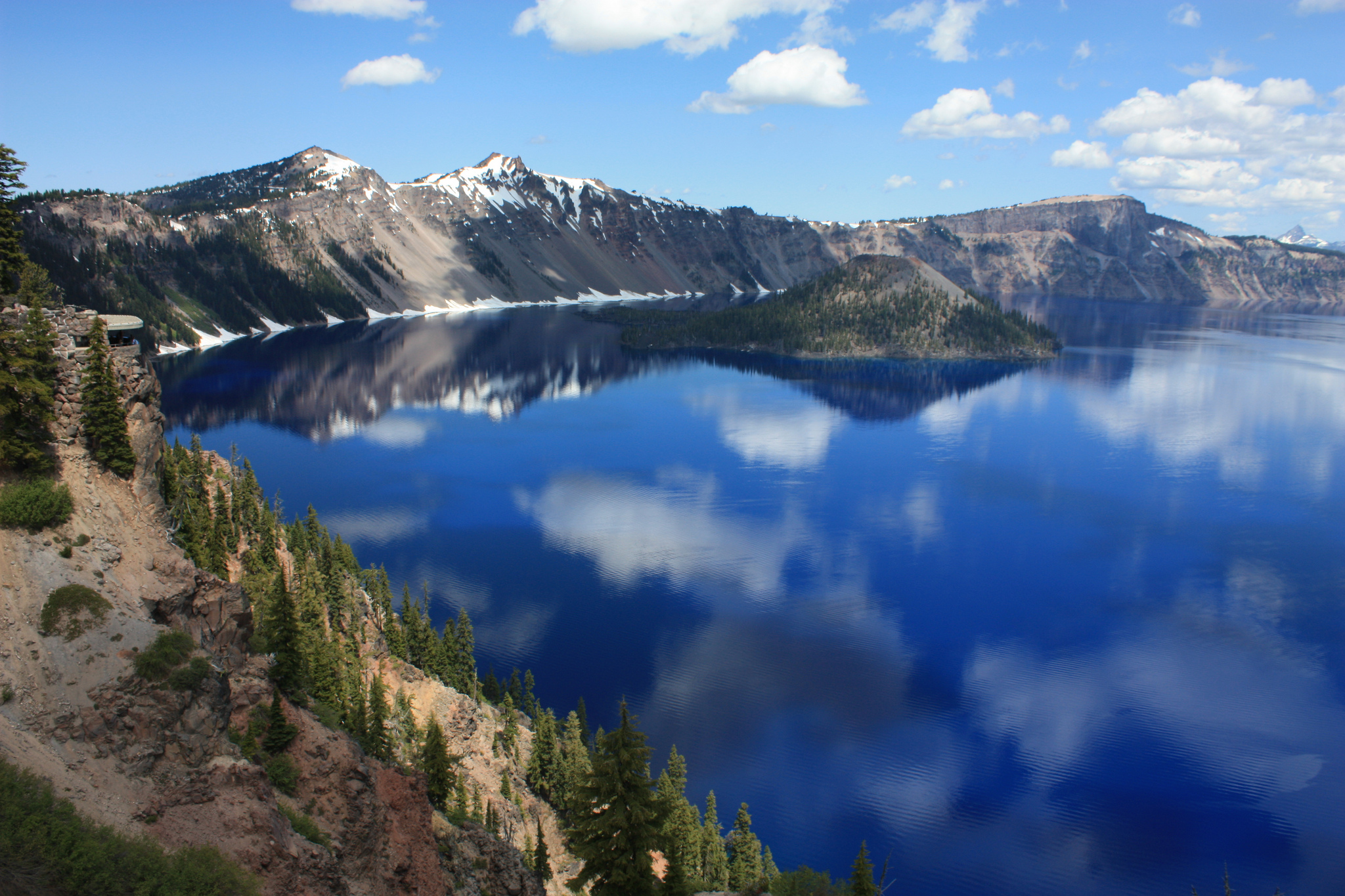
1. Crater Lake is the deepest lake in the United States
At 1,943 feet deep, Crater Lake holds the U.S. depth record. It fills a caldera left when Mount Mazama collapsed during an eruption about 7,700 years ago. That enormous blue bowl is one of Oregon’s best reminders that a peaceful-looking landscape can have a very loud backstory. Source: National Park Service.
2. Oregon shares North America’s deepest river canyon with Idaho
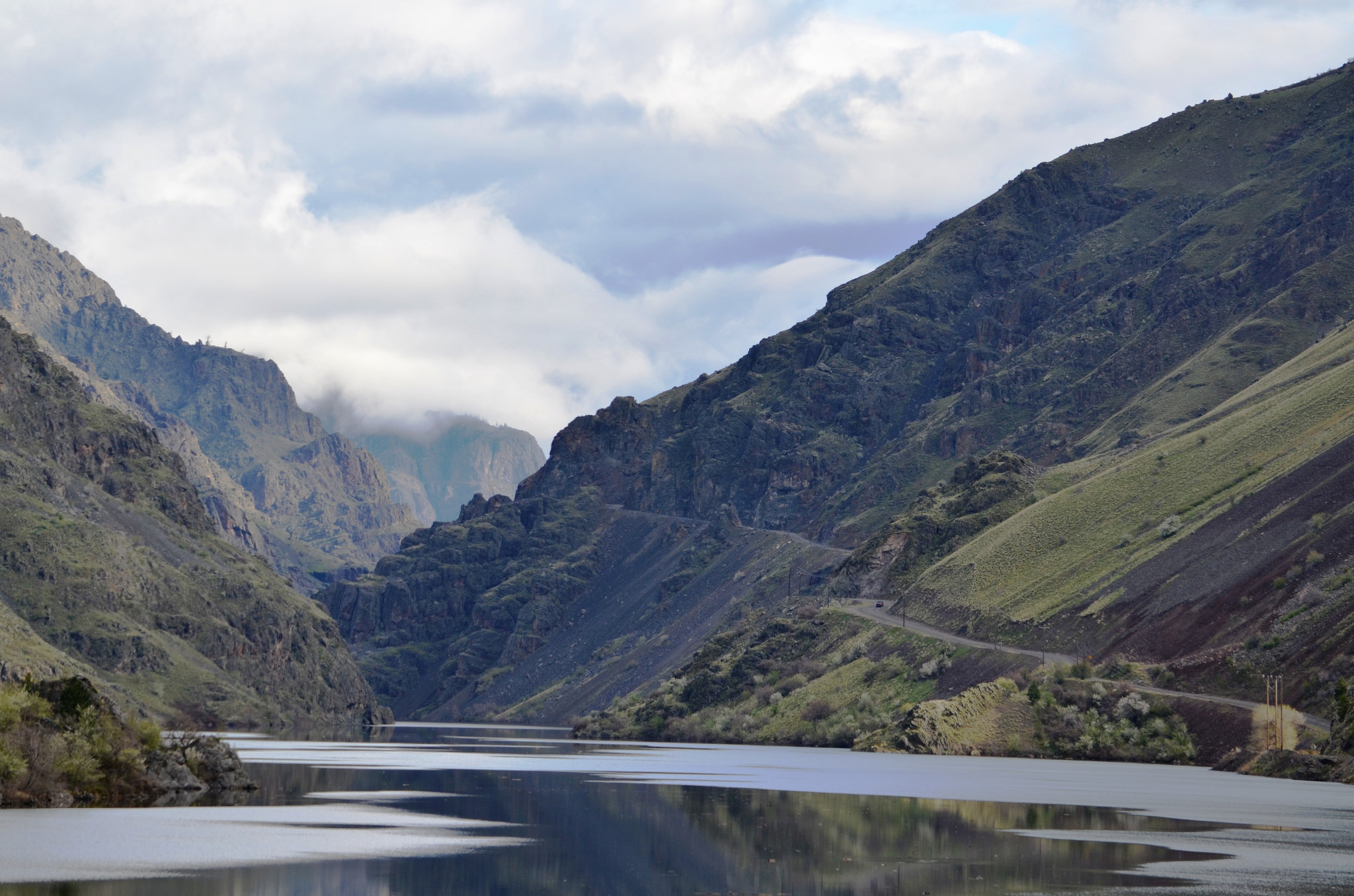
Photo: Baler County Tourism / Flickr
Hells Canyon follows the Snake River along the Oregon–Idaho border. The U.S. Forest Service identifies it as North America’s deepest river canyon. The important detail is that this is a shared landscape: the river, canyon walls, and viewpoints stretch across both states. Source: U.S. Forest Service.
Explore the Hells Canyon story.
3. The Humongous Fungus spreads beneath roughly 2,385 acres
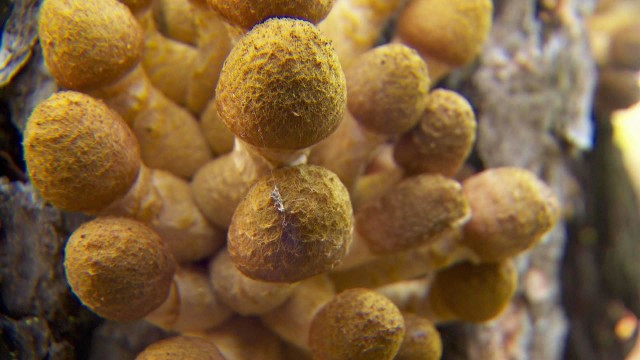
The honey mushroom derives its common name from the amber colored fruit that emerges in the fall. Nick Fisher/OPB
In the Malheur National Forest, a single genetically identified honey fungus occupies an estimated 2,385 acres. Much of it lives underground and within tree roots, so you won’t find one enormous mushroom cap looming over the forest. It is one of the largest known organisms by area. Source: Oregon Encyclopedia.
Meet Oregon’s Humongous Fungus.
4. The Oregon Caves run through marble
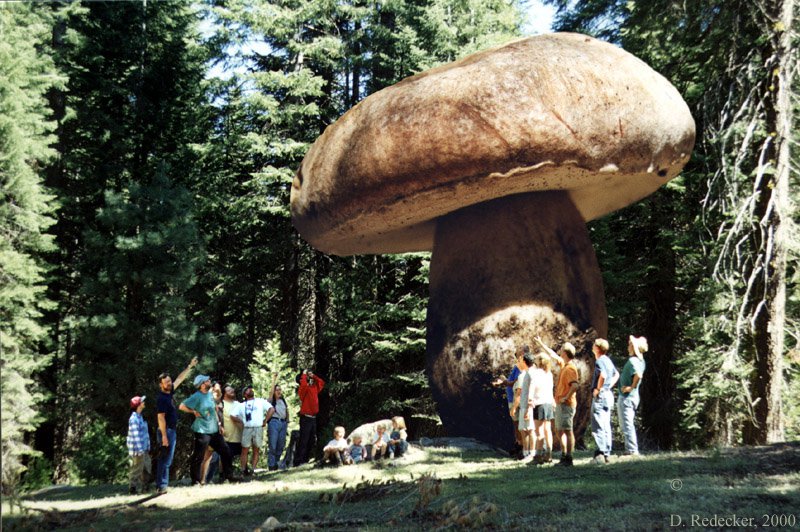
The cave passages at Oregon Caves National Monument and Preserve formed as mildly acidic water dissolved marble. Many familiar caves form in limestone; here, heat and pressure had transformed the original limestone into marble before water did its slow sculpting. Fancy countertops have nothing on an entire cave. Source: National Park Service.
5. The John Day Fossil Beds preserve about 40 million years of change
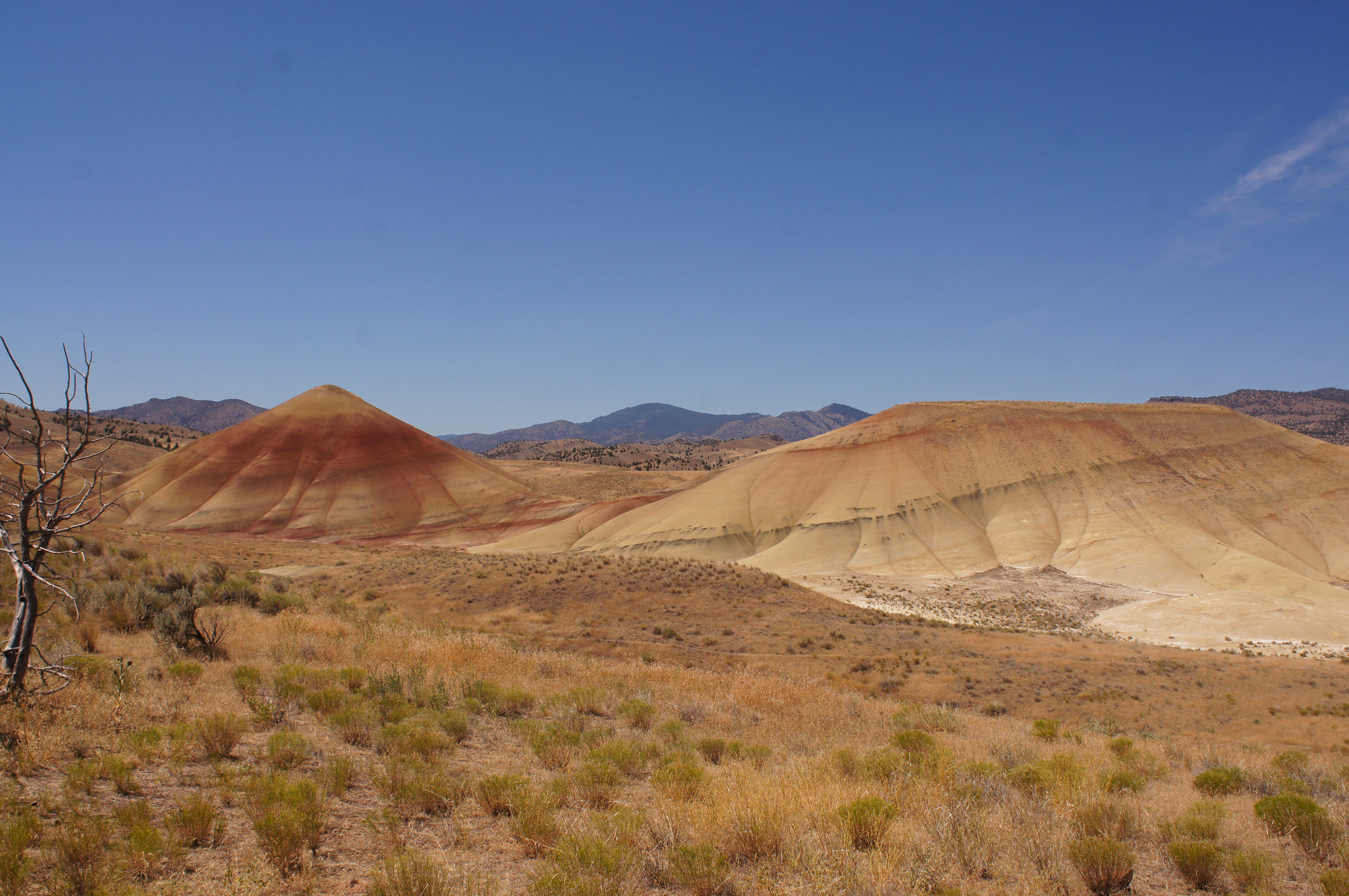
Photo: Tjflex2 / flickr
The fossil record at John Day Fossil Beds National Monument spans roughly 40 million years. Its plants and animals document changing environments, including a much warmer Oregon with semitropical forests. Those colorful hills preserve far more than an attractive roadside view. Source: National Park Service.
6. The Oregon Dunes stretch along about 40 miles of coast
Between Florence and North Bend, the Oregon Dunes form a long landscape of sand, forest, lakes, and ocean. The dunes region extends for approximately 40 miles. It is a striking change of scenery if your mental picture of the Oregon Coast consists entirely of rocky headlands. Source: U.S. Forest Service.
7. Cannon Beach’s Haystack Rock rises 235 feet
Haystack Rock stands 235 feet above the shore and is part of Oregon Islands National Wildlife Refuge. Its fame isn’t just about size: the rock is habitat for seabirds, including tufted puffins. That familiar Cannon Beach silhouette is a wildlife home as well as a favorite photograph. Source: U.S. Fish and Wildlife Service.
8. Newberry’s Big Obsidian Flow is only about 1,300 years old
South of Bend, the Big Obsidian Flow records Newberry Volcano’s most recent eruption, around 1,300 years ago. Its dark obsidian is volcanic glass. On a geological clock, this landscape is young enough to make the phrase “ancient history” feel a little premature. Source: U.S. Geological Survey.
9. Oregon sunstone gets its color from copper
Oregon’s state gemstone is a variety of feldspar that weathers out of certain lava flows. Copper within the stone helps produce its distinctive colors. Sunstone became the official state gemstone in 1987, giving Oregon a state symbol that looks particularly good in the sunlight. Source: Oregon Department of Geology and Mineral Industries.
Designation: Oregon Blue Book.
10. Oregon’s state rock looks much better on the inside
The thunderegg became Oregon’s state rock in 1965. Its rough exterior can conceal colorful mineral patterns that appear when the rock is cut and polished. It is a satisfying state symbol for anyone who has ever brought home a dusty-looking rock and insisted it was special. Source: Oregon Department of Geology and Mineral Industries.
Understand Oregon thundereggs, crystals, and collecting rules.
History and state identity
11. Oregon’s flag has different designs on its two sides
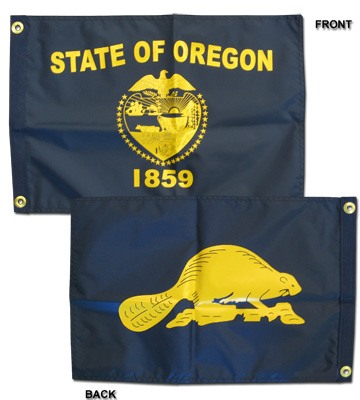
Oregon is the only U.S. state whose flag has different designs on the front and back. The front features a shield from the state seal, while the reverse gives a gold beaver the spotlight. The blue-and-gold flag was adopted in 1925. Source: Oregon Blue Book.
12. Oregon became a state on Valentine’s Day
Oregon joined the United States on February 14, 1859, becoming the 33rd state. That makes Valentine’s Day a birthday celebration here, too. If you spot 33 stars on the state flag, they refer to Oregon’s place in the order of statehood. Source: U.S. Senate.
Flag details: Oregon Blue Book.
13. The origin of the name “Oregon” is still debated
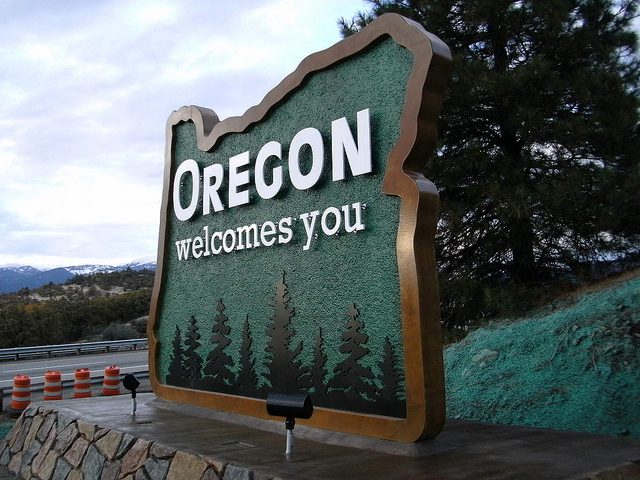
There isn’t one universally settled explanation for the name Oregon. Historians have examined several possibilities, including Indigenous-language origins. The often-repeated claim that it simply comes from the French word for hurricane is a theory, not an established answer. Source: Oregon Encyclopedia.
14. Oregon is home to nine federally recognized tribal governments
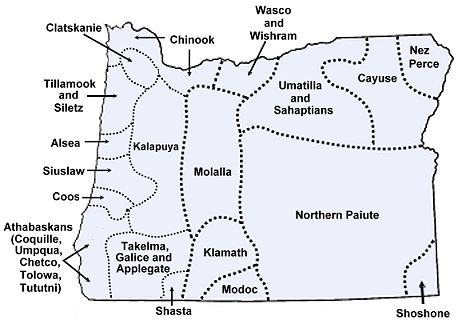
Oregon’s nine federally recognized tribes are contemporary sovereign governments, with distinct cultures, histories, and communities. Their histories long predate Oregon statehood. The state’s tribal directory is a useful starting point for learning about each nation in its own right. Source: Oregon Blue Book.
15. The 1967 Beach Bill helped protect public beach access
Oregon’s Beach Bill established protections for public use of the ocean shore. That legacy helps explain why walking the beach is such a central part of life here. It doesn’t mean every coastal property or every route across private land is open to the public. Source: Oregon Coastal Management Program.
16. Oregon passed the nation’s first Bottle Bill

In 1971, Oregon enacted the first statewide beverage-container deposit law in the United States. The important idea was a refundable deposit that encouraged people to return containers. Describing it as a blanket ban on nonreturnable bottles and cans misses how the system works. Source: Oregon Department of Environmental Quality.
17. Umatilla elected a woman mayor in 1916
Laura Stockton Starcher defeated her husband in Umatilla’s 1916 mayoral election. Women also won several other city offices in the election remembered as the “Petticoat Revolution.” That was decades before Dorothy McCullough Lee became Portland’s first woman mayor. Source: Oregon State Archives.
18. Portland’s name was settled with a coin toss
In 1845, Asa Lovejoy and Francis Pettygrove used a best-of-three coin toss to choose between Boston and Portland, the names of their respective hometowns. Pettygrove won. The Oregon Historical Society preserves the coin known as the Portland Penny. Source: Oregon Encyclopedia.
19. A Japanese submarine shelled Fort Stevens in 1942
On June 21, 1942, a Japanese submarine fired shells at Fort Stevens near the mouth of the Columbia River. The fort’s history includes that unusual World War II episode alongside its much longer role in coastal defense. It is a very different story from the shipwreck photographs most visitors associate with the park. Source: Oregon State Parks.
20. President Franklin D. Roosevelt dedicated Timberline Lodge
Timberline Lodge on Mount Hood was dedicated by President Roosevelt on September 28, 1937. Built as a Works Progress Administration project, it brought together construction workers, artists, and craftspeople during the Great Depression. The lodge itself is as much a part of the attraction as the mountain outside. Source: Timberline Lodge.
Food and inventions
21. Hazelnut and filbert are two names for the same nut
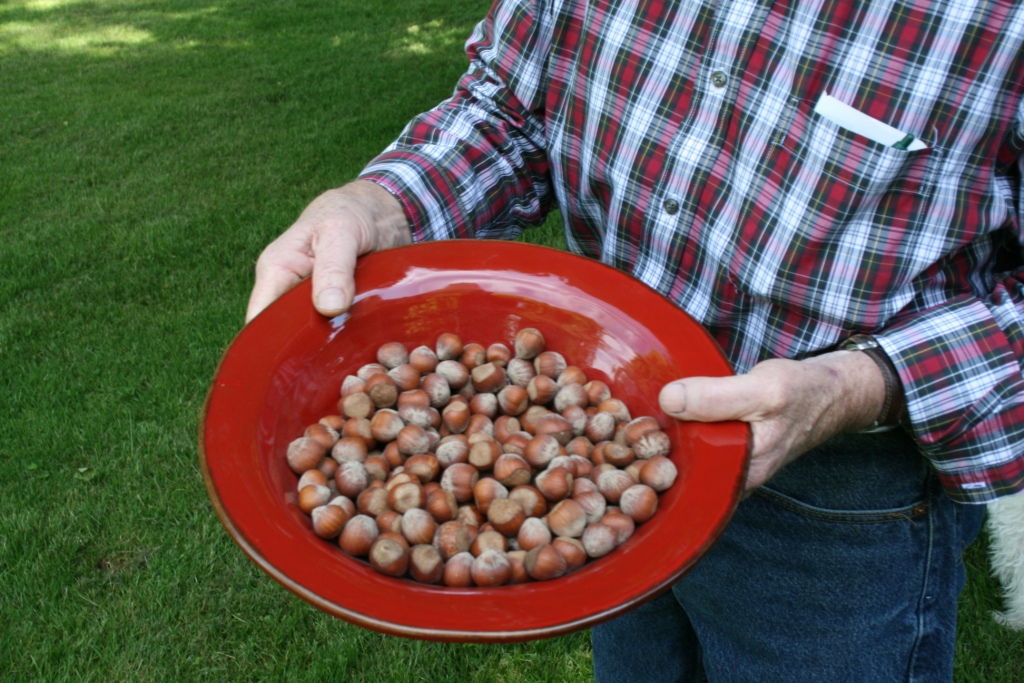
Photo: BBC World Service / Flickr
If an Oregon relative insists on calling them filberts, they’re talking about hazelnuts. The hazelnut became Oregon’s official state nut in 1989. Both names turn up in local conversation, so there’s no need to pick a side in the family vocabulary debate. Source: Oregon Blue Book.
Hazelnut terminology: Oregon State University.
22. The marionberry was developed in Oregon
The marionberry came from a blackberry breeding partnership between the U.S. Department of Agriculture and Oregon State University. Released in 1956, it was named for Marion County, where it was tested. A slice of marionberry pie comes with a little Oregon agricultural history baked in. Source: Oregon State University.
23. The Bing cherry has roots in Milwaukie
The Bing cherry originated at the Lewelling nursery in Milwaukie in the nineteenth century. Seth Lewelling named it for Ah Bing, the nursery’s Chinese foreman. The name on a familiar summer fruit preserves a piece of Oregon’s Chinese American history. Source: Oregon Encyclopedia.
24. Tater Tots were invented in Ontario, Oregon
Ore-Ida developed Tater Tots in Ontario in 1953 as a way to use potato pieces left over from making french fries. Those small, crunchy cylinders turned a processing leftover into a freezer staple. Oregon’s contribution to dinner sometimes arrives beside a burger. Source: Oregon Encyclopedia.
Explore Oregon’s iconic foods.
25. Tillamook has been a farmer-owned cooperative since 1909
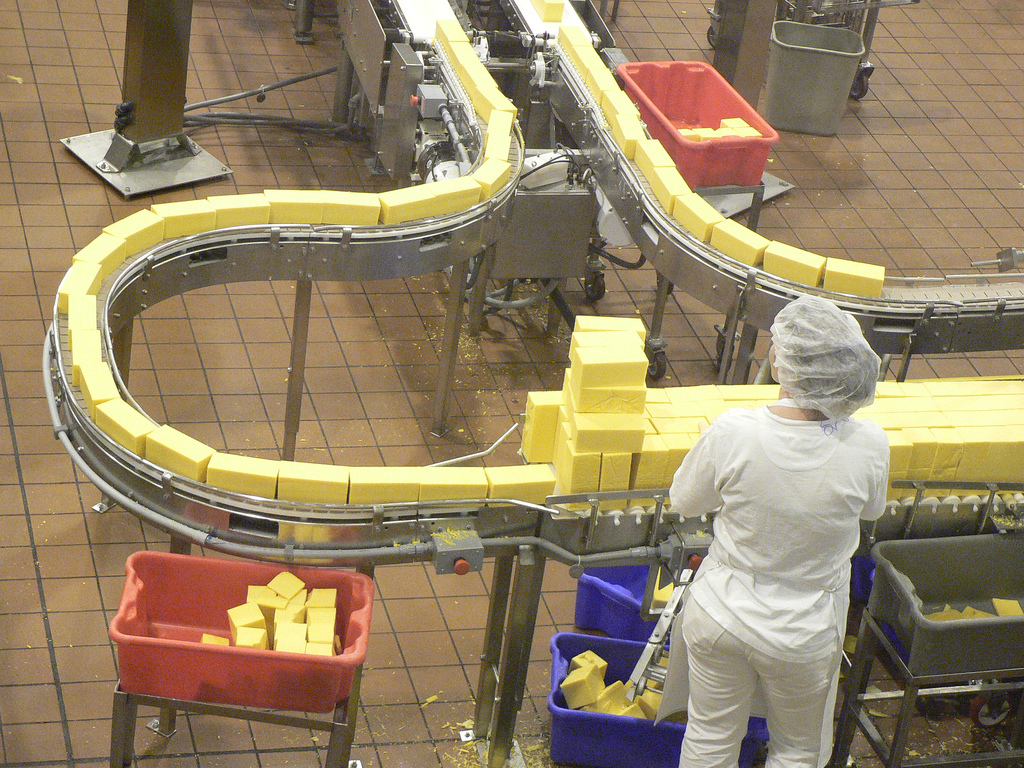
Photo: Chris Lewls / Flickr
Tillamook County Creamery Association traces its farmer-owned cooperative to 1909. Behind the familiar cheese and ice cream is a business built by dairy farmers. The cooperative’s history stretches back well before its products became regular residents of refrigerators far beyond the Oregon Coast. Source: Tillamook.
26. The original Nike Swoosh design cost $35

Photo: YouTube
Portland State University student Carolyn Davidson designed the Nike Swoosh in 1971 and was initially paid $35. Nike later honored her with additional recognition, including stock. The small original invoice is real; the suggestion that it was the only compensation she ever received leaves out the rest of the story. Source: Nike archives.
27. A waffle iron helped inspire Nike’s running shoes
Bill Bowerman experimented with a household waffle iron while developing a sole that could give runners better traction. The experiment ruined the iron, but the waffle pattern helped shape Nike’s early footwear. It is an unusually convincing argument that breakfast can lead to a good idea. Source: Nike archives.
28. Eyrie’s wine story began with vines planted in 1965
David Lett planted the first Eyrie vines in Oregon in 1965, helping establish the state’s modern cool-climate wine story. That milestone tells you more than an old vineyard count that keeps going out of date. Oregon wine history is a story of people willing to test an uncertain idea. Source: The Eyrie Vineyards.
29. A 1985 law helped Oregon’s brewpub culture take off
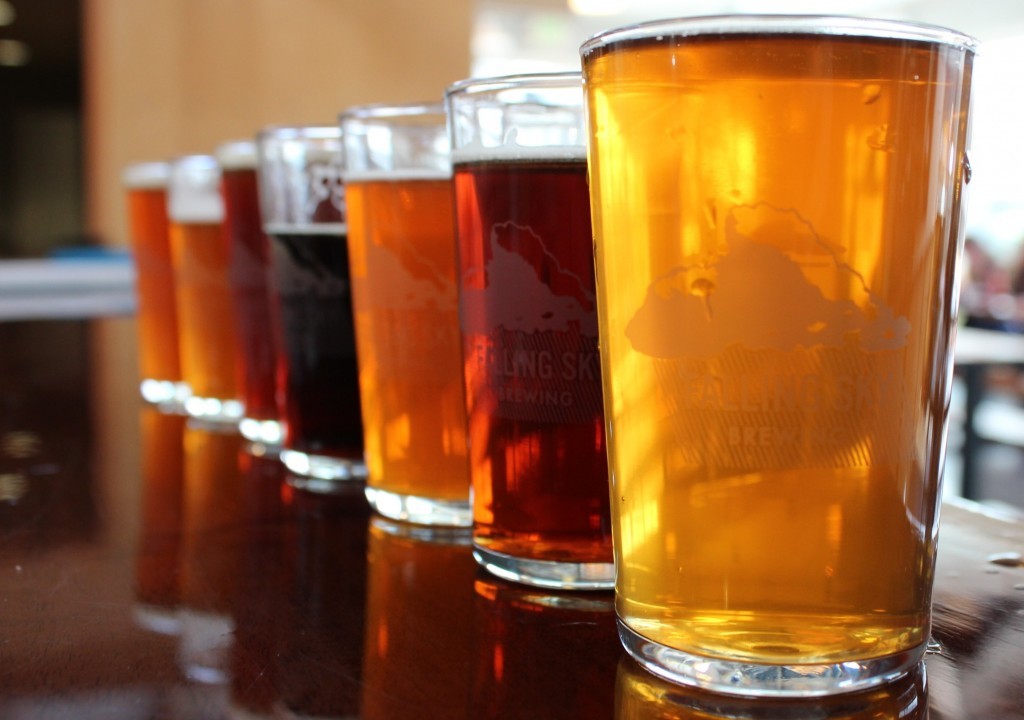
Photo: Falling Sky Brewing
Governor Vic Atiyeh signed Oregon’s Brewpub Bill on July 13, 1985. It allowed brewers to make and sell beer on the same premises, helping create the neighborhood brewpub model. Ordering a pint where it was brewed has a specific chapter in Oregon’s legislative history. Source: Oregon State Archives.
30. Oregon has an official state mushroom
The Pacific golden chanterelle became Oregon’s state mushroom in 1999. Between a state mushroom, a state nut, and a state fruit, Oregon’s symbol list starts to sound like the beginnings of a farmers market shopping trip. Source: Oregon Blue Book.
Weird and wonderful Oregon
31. Mill Ends Park is tiny—but its world record changed
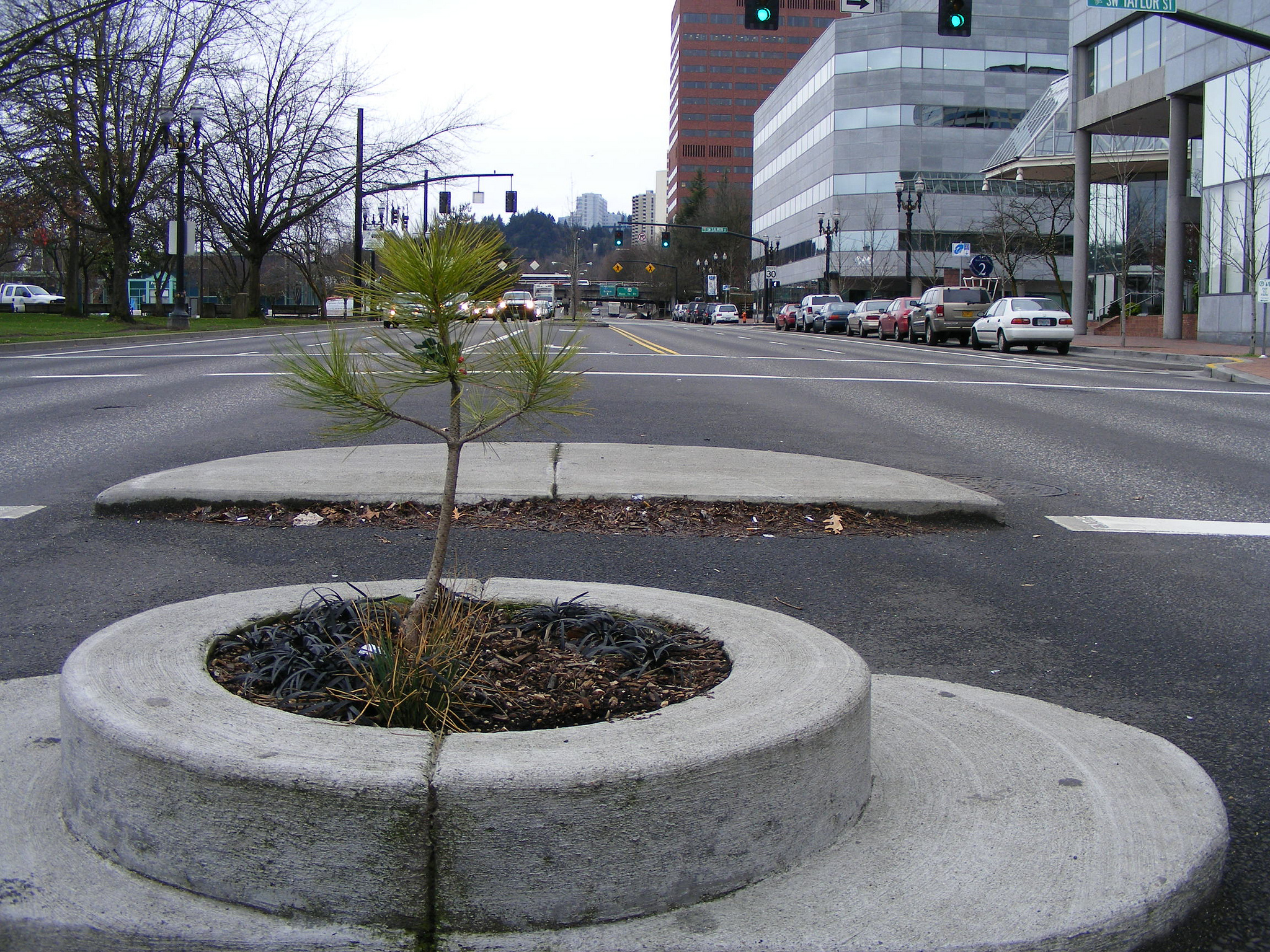
Photo: Dan Reed / Flickr
Portland’s Mill Ends Park remains a beloved miniature park. However, Guinness World Records announced a smaller park in Nagaizumi, Japan, in February 2025. Mill Ends belongs in Oregon trivia as a former world-record holder, with plenty of personality left after the title changed hands. Source: Guinness World Records.
32. Lincoln City’s D River makes a very short trip to the ocean
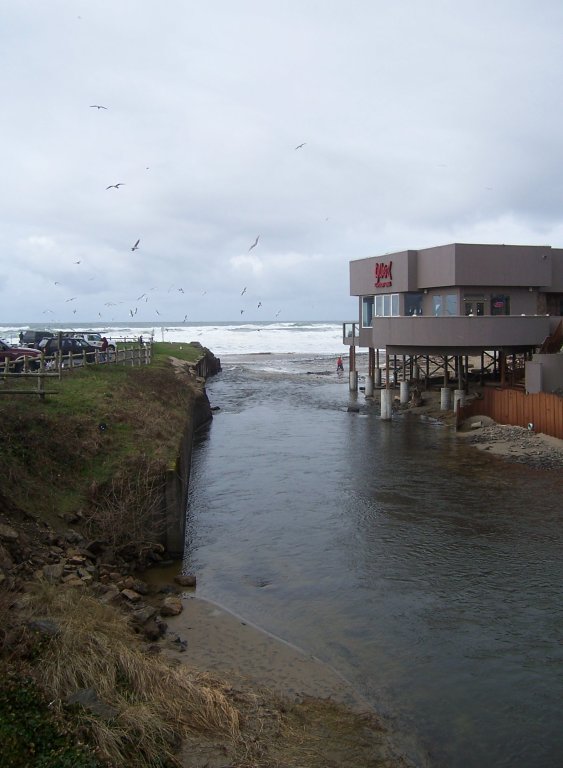
Photo: Wikipedia
The D River links Devils Lake to the Pacific Ocean in Lincoln City. It is famous for its exceptionally short course and its history in the “world’s shortest river” debate. Enjoy the oddity without treating one fixed length or an old record claim as an uncontested current title. Source: Explore Lincoln City.
Record history: Lincoln City visitor guide.
33. Springfield, Oregon helped inspire The Simpsons’ town name
Matt Groening told Smithsonian that Springfield, Oregon was the inspiration for the name of the Simpsons’ hometown. That is a naming connection, not proof that the fictional Springfield belongs to a specific real-world state. The show’s geographic ambiguity is part of the joke. Source: Matt Groening interview, Smithsonian.
34. Timberline Lodge played the outside of The Shining’s hotel
Timberline Lodge supplied exterior views of the fictional Overlook Hotel in the 1980 film The Shining. The movie’s interiors were filmed elsewhere. If you arrive expecting every hallway to match the film, you’re mixing up a real Oregon lodge with a movie set. Source: Timberline Lodge.
35. Oregon really did try to blow up a beached whale
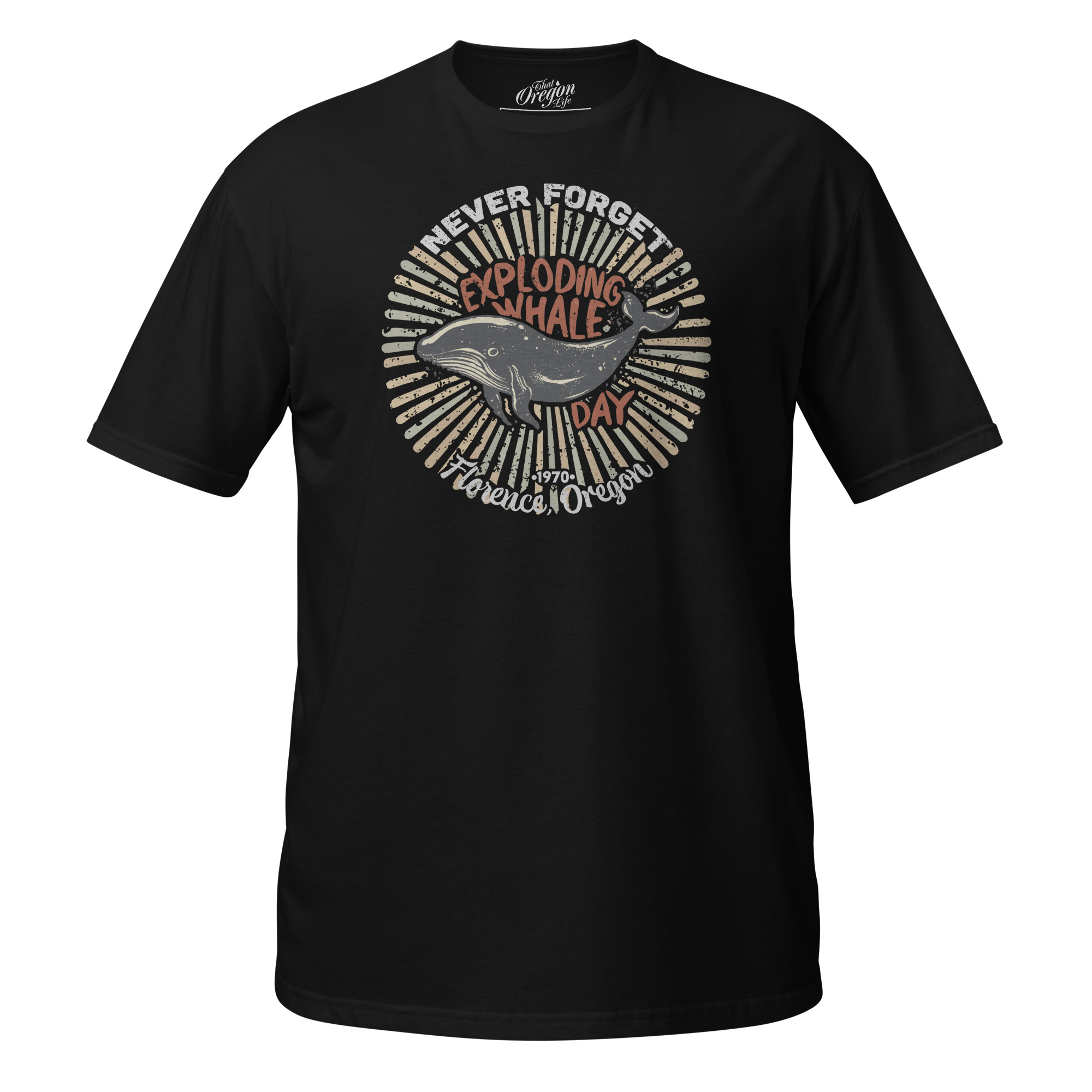
On November 12, 1970, a whale carcass near Florence was blasted with dynamite in a spectacularly unsuccessful disposal attempt. KATU’s news footage helped turn the incident into Oregon legend. This is one of the state’s strangest stories that does not need any embellishment. Source: Oregon Historical Society.
36. Oregon’s state fossil is a tree, not a dinosaur
Oregon designated Metasequoia, or dawn redwood, as its state fossil in 2005. Fossil remains record the tree’s ancient presence here. Living dawn redwoods were later identified in China and propagated elsewhere, so this fossil story also has a living botanical counterpart. Source: Oregon Blue Book.
37. Heceta Head’s lighthouse first shone in 1894
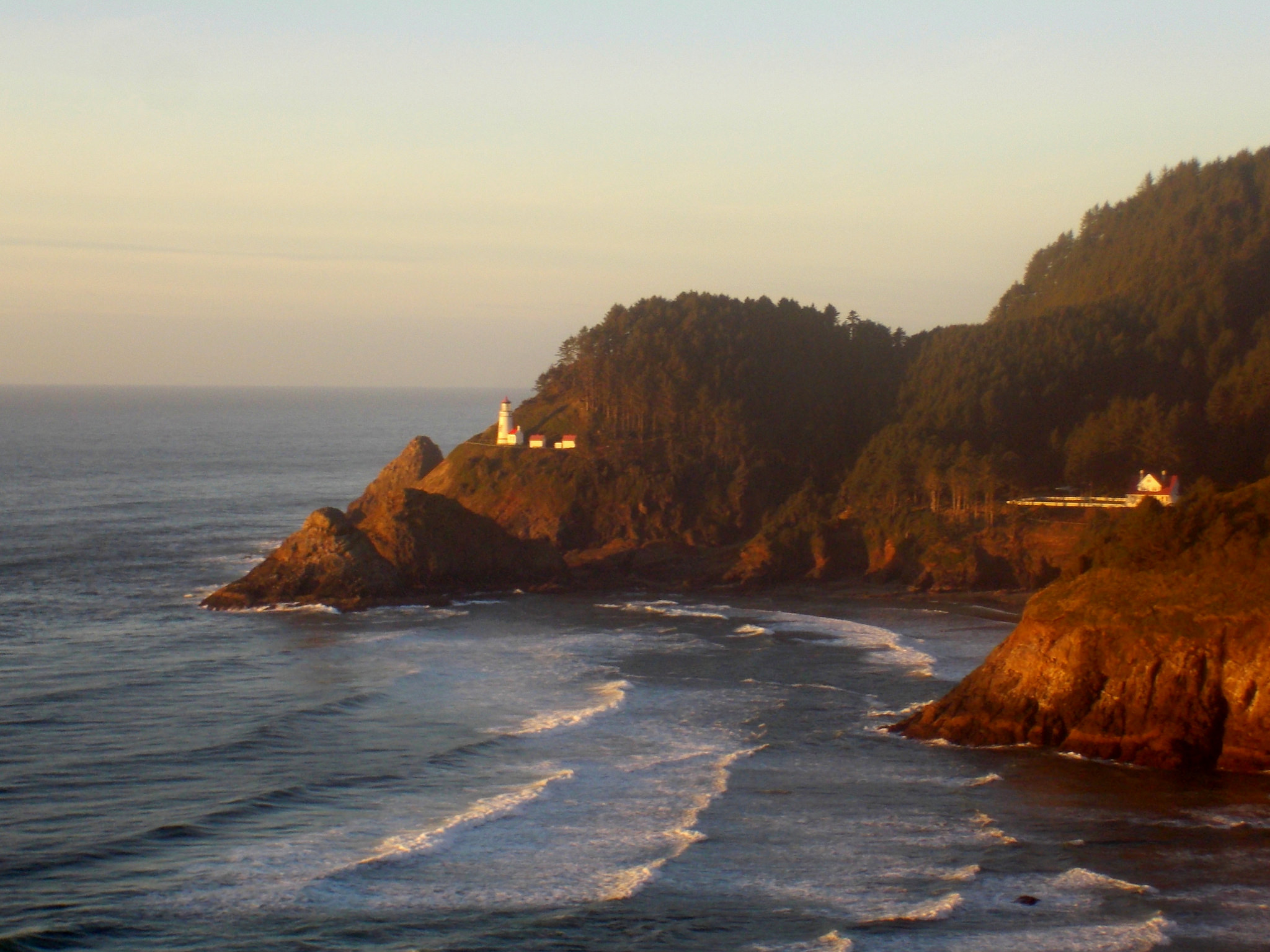
photo: jackl-dee / flickr
The light at Heceta Head was first illuminated in 1894. The 56-foot tower sits on a headland above the Pacific near Florence, with an old assistant lightkeeper’s house nearby. More than a century after the first lighting, the lighthouse remains one of the coast’s recognizable landmarks. Source: Oregon State Parks.
38. Powell’s City of Books occupies an entire city block
The flagship Powell’s City of Books in Portland fills a city block. It is a fitting place to lose track of time in a city that already settled its name with a penny. If your idea of a good afternoon involves browsing books, a whole block gives you plenty to work with. Source: Travel Portland.
39. Bend is home to the last Blockbuster store
Bend’s Blockbuster identifies itself as the world’s last remaining Blockbuster location. That makes it both a working video store and a little time capsule for anyone who remembers choosing a movie by walking the aisles. Its official website is the place to check current visiting information. Source: Bend Blockbuster.
40. You can visit a volcanic cinder cone inside Portland
Mount Tabor Park sits on a volcanic cinder cone within Portland. Its setting brings a piece of the region’s volcanic past into an everyday city park. You can be in the middle of the city and still have a volcano underneath your feet. Source: Portland Parks & Recreation.
Oregon myths worth correcting

A good trivia story can outlive the rule or record it started with. These are a few worth updating before you pass them along:
- “You can’t pump your own gas in Oregon.” Oregon expanded self-service gasoline statewide in 2023. Attendant-service requirements and local exceptions still matter; see the Oregon State Fire Marshal’s current explanation.
- “Fishing with corn is always illegal.” There is no blanket Oregon ban: the Oregon Department of Fish and Wildlife lists corn as bait for common carp. Check the regulations for your species and waterbody before fishing.
- “Mill Ends is still the world’s smallest park.” Guinness recognized a smaller Japanese park in 2025. Portland’s tiny landmark is still worth knowing about.
Quick questions about Oregon
What is one unusual fact about Oregon?
Oregon is the only U.S. state with different designs on the front and back of its state flag. One side features a shield from the state seal; the other features a beaver. See fact 11 and its Oregon Blue Book source.
What food was invented in Oregon?
Tater Tots were developed by Ore-Ida in Ontario in 1953. Oregon also has important connections to the marionberry and Bing cherry, covered in facts 22–24.
Is The Simpsons’ Springfield in Oregon?
Springfield, Oregon helped inspire the town’s name, according to Matt Groening. That does not establish a real-world state for the fictional town. The distinction comes from Groening’s Smithsonian interview.
Images from the original article
These images are retained from the original version of this story. Some accompanied claims that have since been corrected or replaced.
Photo: Todd Mecklem / Flickr

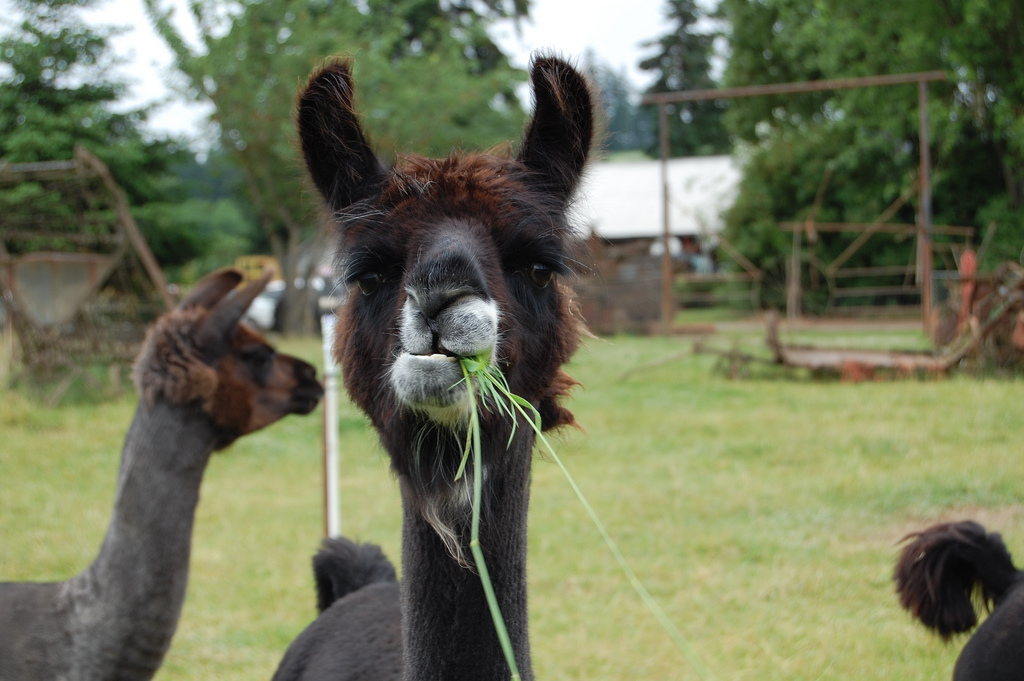
photo: kurge / flickr
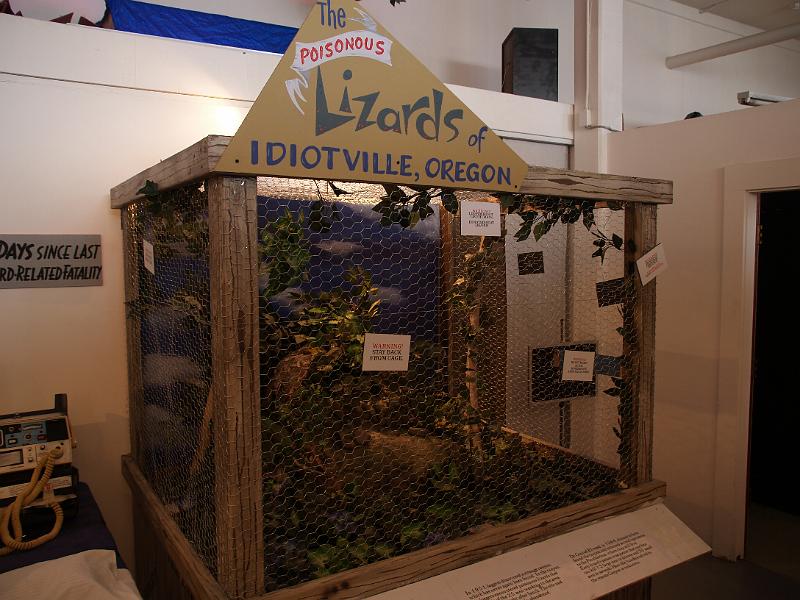
Watch out for poisonous lizards in Idiotville, Oregon. (Photo: Evolution-Control.com)
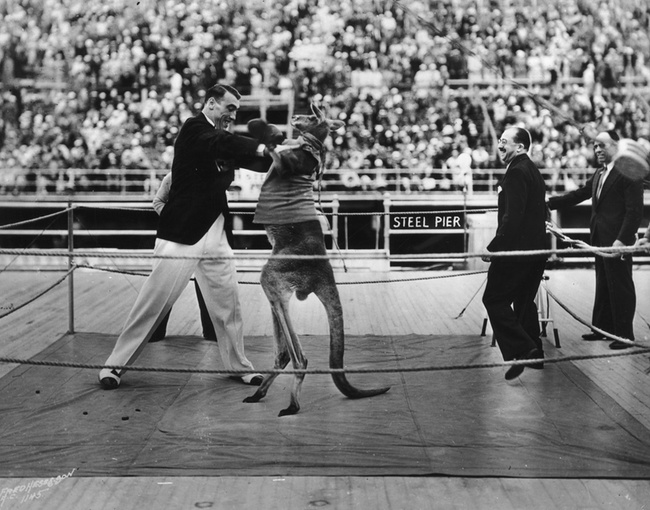
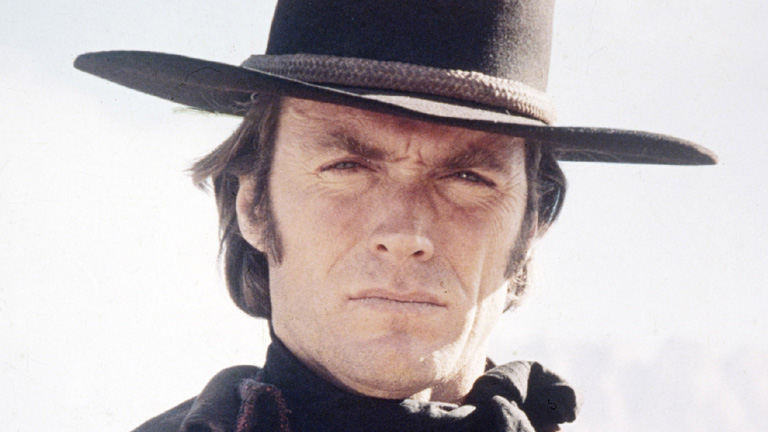
photo: biography.com
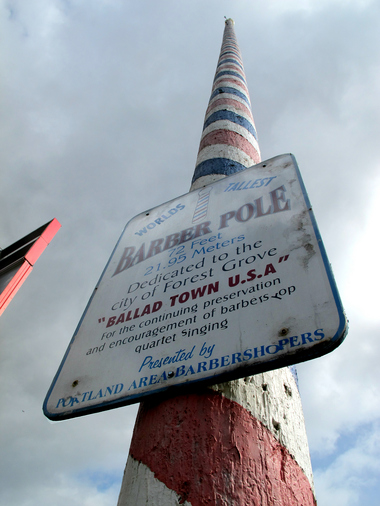
Emily Fuggetta/Forest Grove Leader
Keep exploring Oregon
If a few of these facts have you thinking about a road trip, start with our Oregon things-to-do guide or Oregon Coast guide and map. They can help you turn a good trivia answer into a place to visit.
Sources and update notes
Sources are linked beside each fact. This revision draws on the National Park Service, U.S. Forest Service, U.S. Geological Survey, Oregon state agencies, Oregon Historical Society resources, and original accounts from the organizations involved. It corrects outdated records and rules and replaces unsupported rankings and unusual-law claims from the earlier version. Changing records and business status were checked for this September 2026 update.