
For millions of people who grew up in the 1990s, Free Willy was more than just a movie. It was emotional, unforgettable, and for many kids, it was the very first time they questioned whether wild animals truly belonged in captivity.
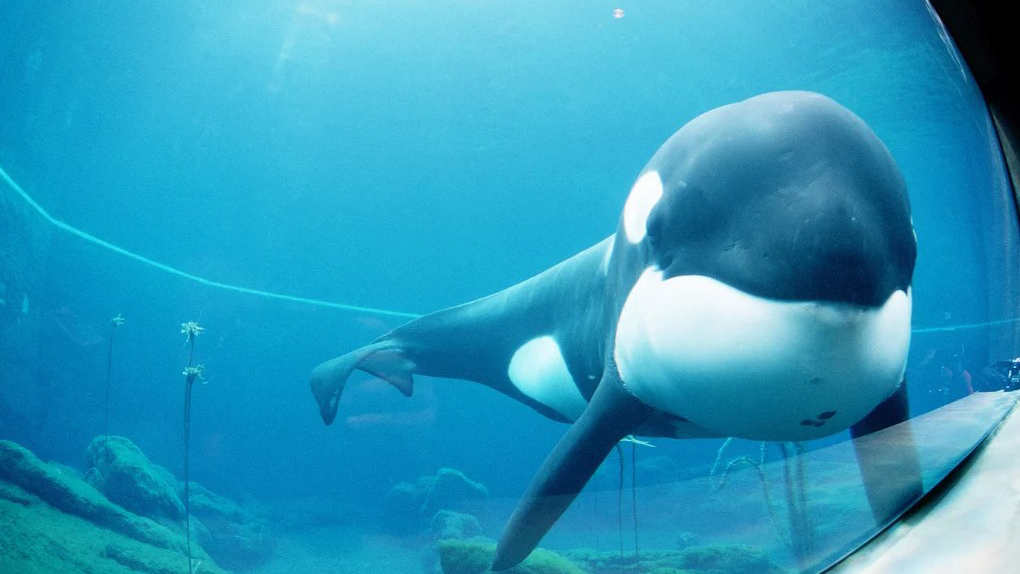
At the center of that movement was not just a fictional whale named Willy, but a real orca named Keiko.
Long before he became the most famous whale on Earth, Keiko was simply a young orca swimming in the cold waters near Iceland. His life would eventually take him from marine parks and movie sets to the Oregon Coast Aquarium in Newport, and finally back to the North Atlantic Ocean in one of the most ambitious animal rehabilitation projects ever attempted.
His story is inspiring, heartbreaking, controversial, and deeply human all at once.
Even decades later, people across Oregon and around the world still remember Keiko and wonder whether freedom ever truly came for the whale who taught an entire generation to care.
Captured From The Wild
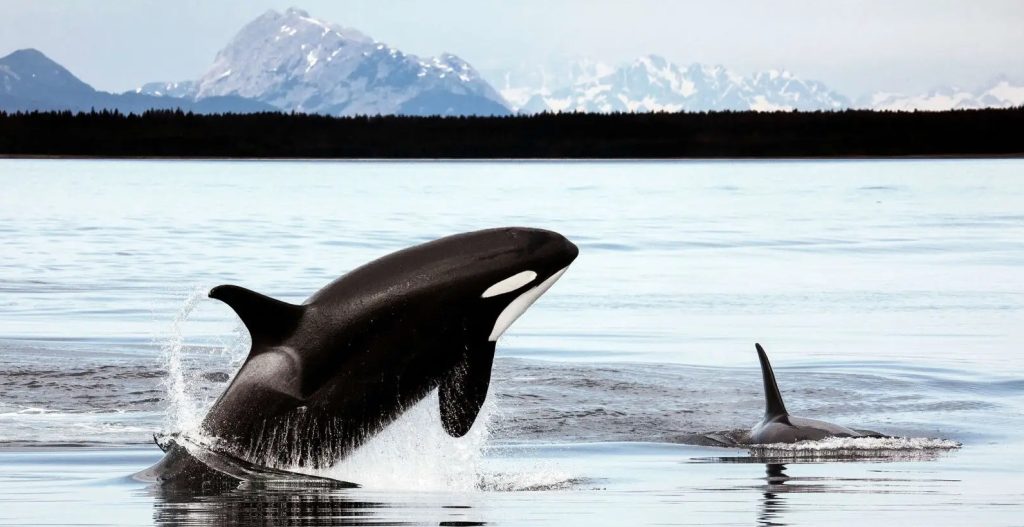
Keiko was born around 1976 in the icy waters near Reyðarfjörður, Iceland. Orcas are highly intelligent, deeply social animals that travel in family groups called pods. In the wild, young whales stay close to their mothers for years, learning hunting techniques, communication, and social behavior.
That life changed forever for Keiko in 1979.
At only about two years old, he was captured near Iceland during an era when wild orcas were still being taken for marine entertainment parks. The process was traumatic and violent, separating calves from their families and transporting them thousands of miles away.
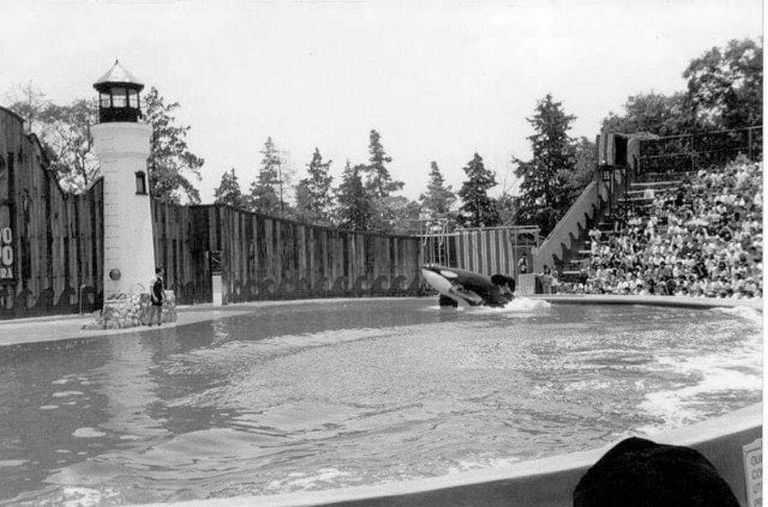
Keiko was eventually sold into the entertainment industry, first living in an aquarium in Iceland before being moved to Marineland in Ontario, Canada, and later Reino Aventura (now Six Flags Mexico), a marine park in Mexico City.
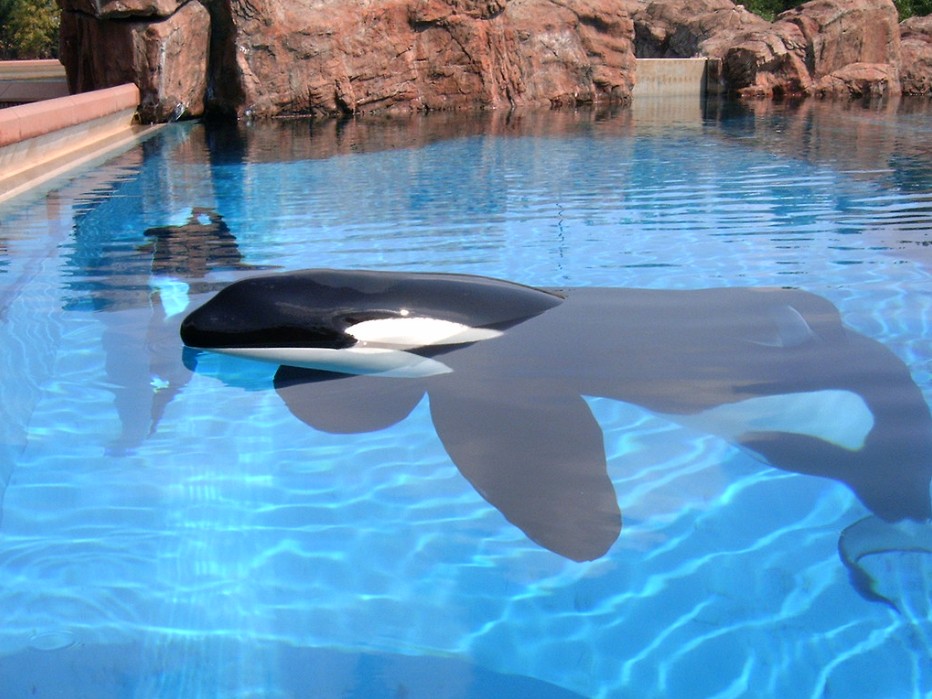
The conditions there were harsh.
The tank water was warm and shallow, far different from the freezing North Atlantic waters his body was built for. Years in captivity left Keiko with skin problems, poor physical health, and emotional stress. By the early 1990s, he had become unhealthy and lethargic.
Then Hollywood came calling.
Becoming “Willy”
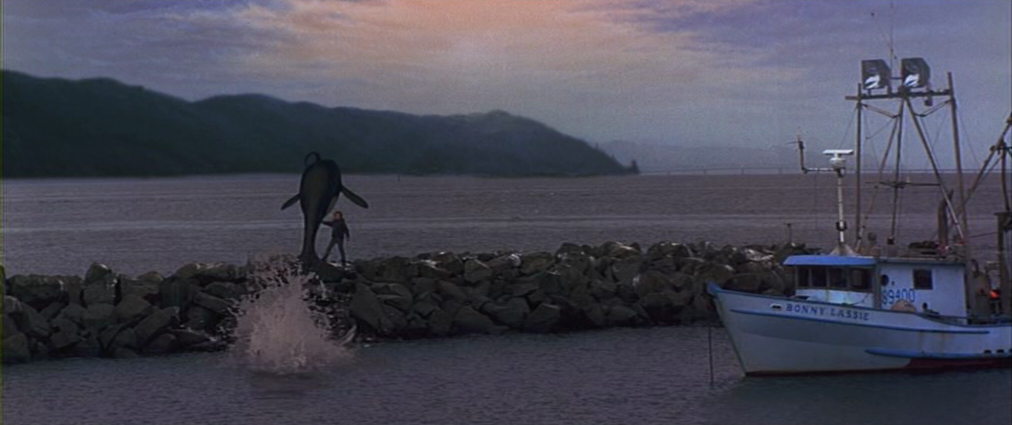
In 1993, Keiko starred as Willy in the hit movie Free Willy.
The film told the story of a captive orca who forms a bond with a troubled boy and is eventually released back into the ocean. Audiences connected deeply with the story, but many people were shocked when they discovered the whale playing Willy was himself living in captivity under poor conditions.
Suddenly, children everywhere were writing letters asking the same question:
“If Willy was freed in the movie, why is Keiko still trapped?”
The emotional response exploded into a global movement.
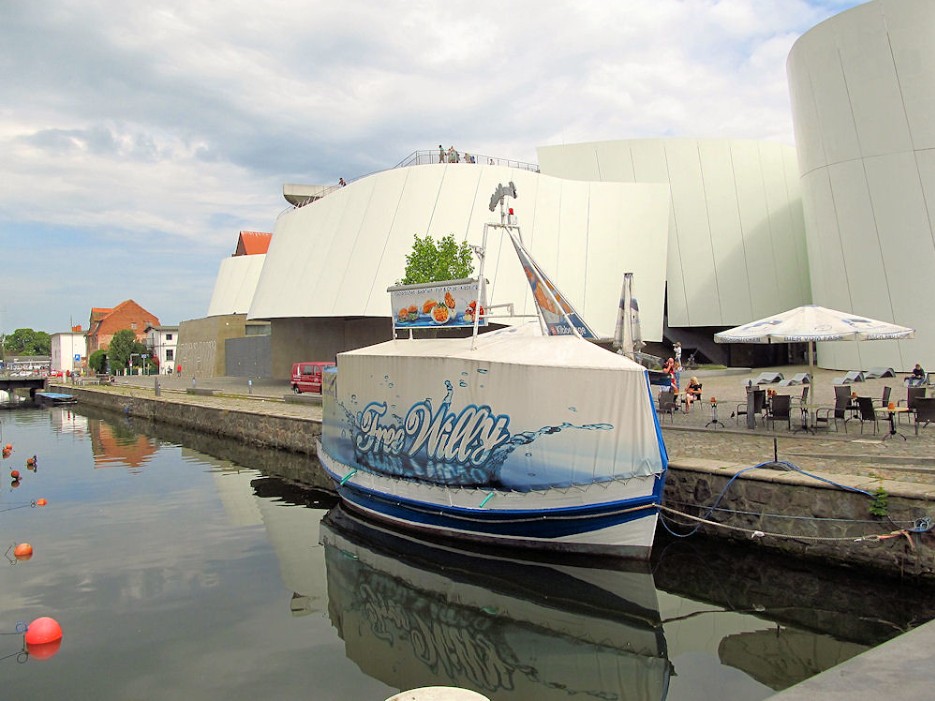
Fans, activists, celebrities, and animal welfare organizations rallied around the idea of rehabilitating and releasing Keiko back into the wild. Donations poured in from around the world. Over $7 million was eventually raised through the “Free Keiko” campaign, fueled largely by children who saw him as more than just a movie animal.
Keiko became the most famous orca in history.
But freeing a captive whale after nearly two decades in marine parks was something no one had ever truly accomplished before.
Oregon Becomes Part Of Keiko’s Story
In January 1996, Keiko arrived at the Oregon Coast Aquarium in Newport, Oregon.
For many Oregonians, it remains one of the most unforgettable chapters in the state’s history.
The aquarium had constructed a massive new rehabilitation tank specifically for Keiko. Unlike the warm waters of Mexico City, Newport’s cold Pacific temperatures were much closer to the environment his body was adapted for.
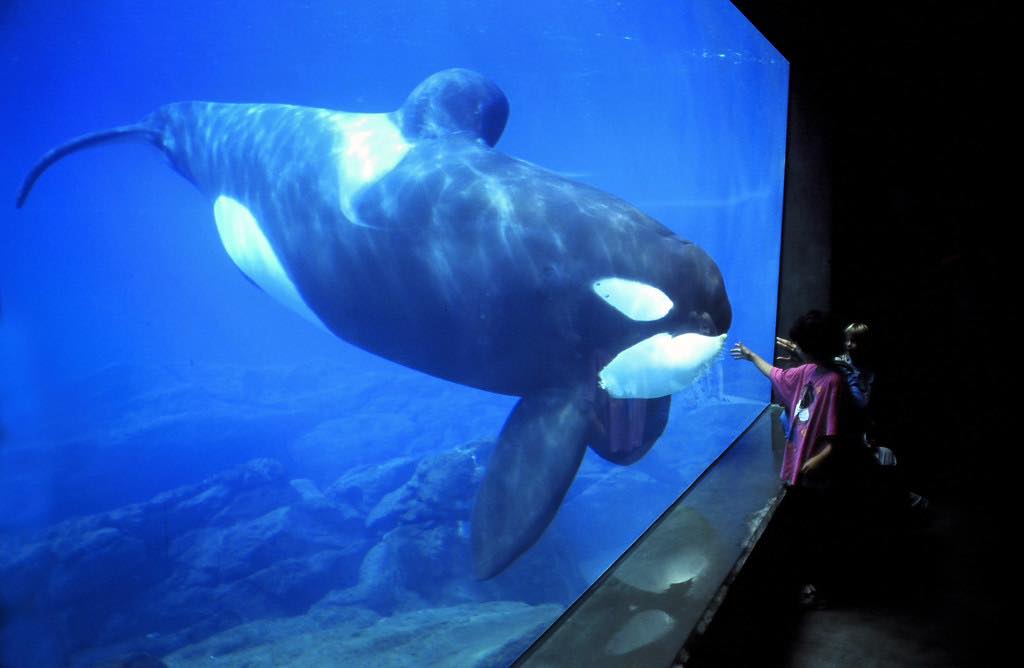
The goal was simple in theory, but incredibly difficult in practice: Help Keiko regain his strength, improve his health, and prepare him for a possible return to the wild.
The public response was overwhelming.
Families flooded Newport to see the famous whale. Traffic backed up along the coast. Children pressed their faces against the viewing windows, watching the giant orca glide through the water.
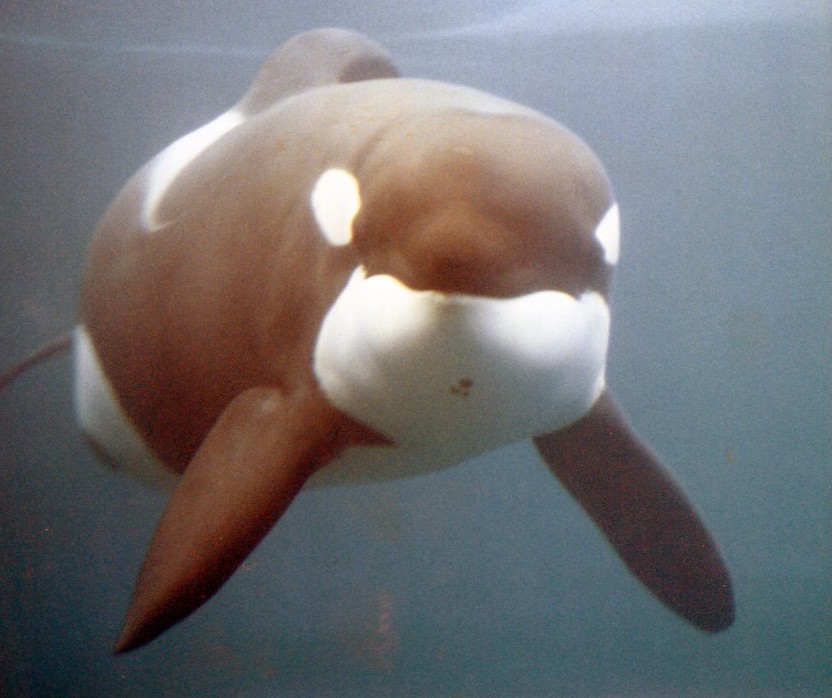
According to the Statesman Journal, Keiko’s stay at the aquarium brought roughly 2.5 million visitors to Newport during his time there.
For the Oregon Coast Aquarium, Keiko transformed the facility overnight into an internationally recognized destination.
But behind the excitement was years of intensive rehabilitation work.
Keiko’s Remarkable Recovery In Newport
When Keiko arrived in Oregon, he weighed around 6,000 pounds and was in poor condition.
Over the next two years and eight months, caretakers worked tirelessly to improve his physical health and behavior. Veterinarians monitored him constantly. Trainers encouraged him to swim longer distances and build muscle. Staff gradually tried to reduce his dependence on people.
The results were dramatic.
Keiko gained approximately 1,900 pounds while living in Newport. His skin condition improved significantly. He became more energetic and active in the water.
For many visitors, seeing Keiko up close created an emotional connection that permanently changed how they viewed marine mammals.
At the same time, debate around captivity intensified worldwide.
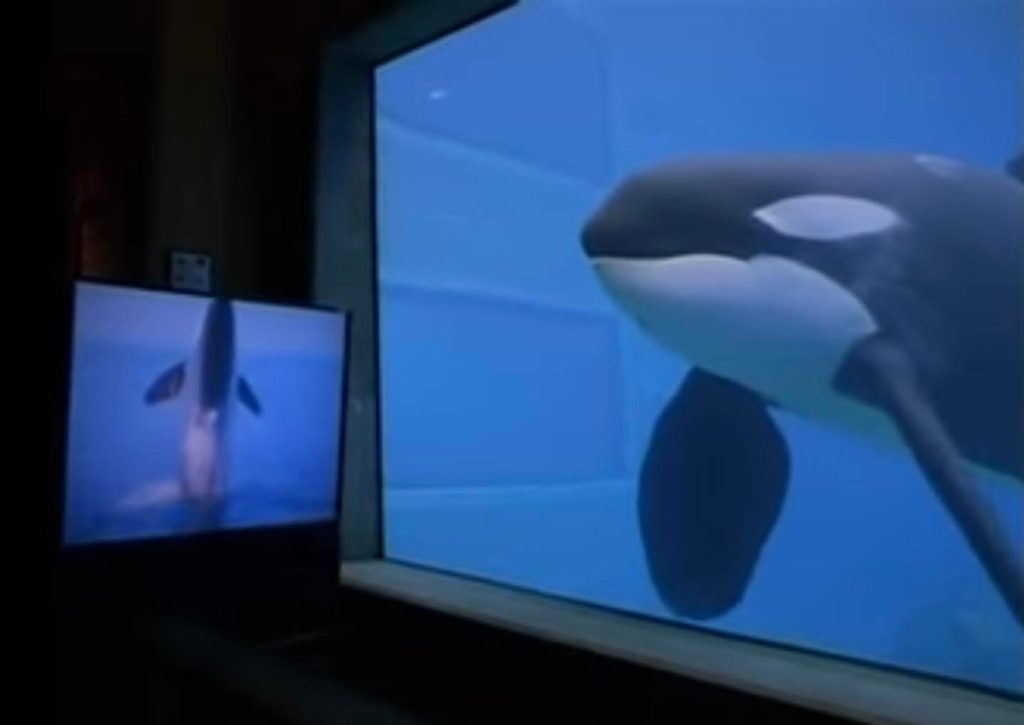
The story of Keiko helped shift public perception about keeping highly intelligent animals like orcas in small tanks for entertainment. While marine parks had long been popular family attractions, Keiko’s situation forced people to confront uncomfortable questions about what captivity truly meant for animals built to roam entire oceans.
In many ways, modern anti-captivity movements can trace their roots directly back to Keiko and Free Willy.
The Massive Journey Back To Iceland
On September 9, 1998, Keiko left Oregon.
The departure itself became an enormous international event.
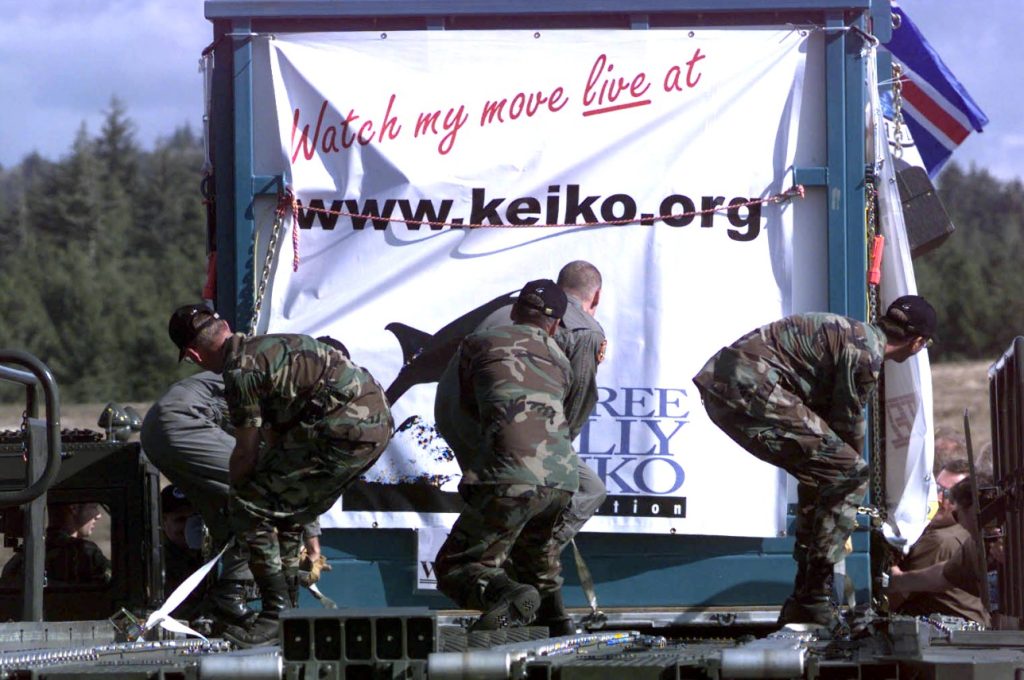
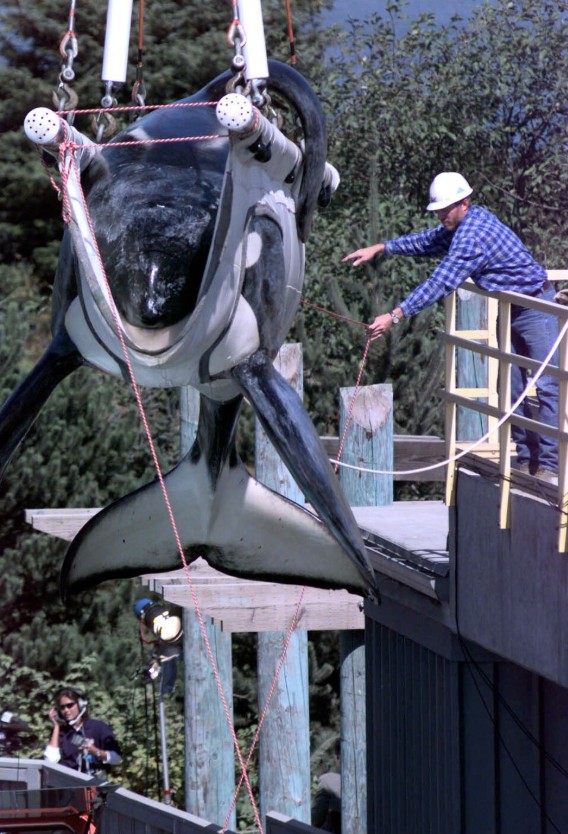
The whale was carefully placed into a specially designed transport tank filled with chilled water and loaded by crane onto a U.S. Air Force C-17 Globemaster III cargo plane. The aircraft was selected because it could handle the immense weight of the nearly 10,000-pound orca while landing on the relatively short runway in Iceland’s Vestmannaeyjar region.
The sight was surreal.
One of the most famous animals on Earth flying across the Atlantic inside a military cargo plane sounded almost unbelievable, yet it happened.
Keiko traveled roughly 3,000 miles back toward the waters where he had originally been captured nearly twenty years earlier.
Once he arrived in Iceland, he was immediately transferred from the aircraft onto a flatbed truck, driven through town, and carefully moved onto a barge.
From there, he was transported to a specially constructed sea pen in Klettsvík Bay in the Westman Islands.
The next phase of his rehabilitation had begun.
Trying To Become Wild Again
Keiko’s years in Iceland were focused on one goal: teaching him how to survive independently.
Caretakers worked to reduce his human interaction while encouraging more natural behavior. He was introduced to live fish and trained to hunt on his own. Staff conducted long open-water swims intended to build stamina and expose him to wild conditions.
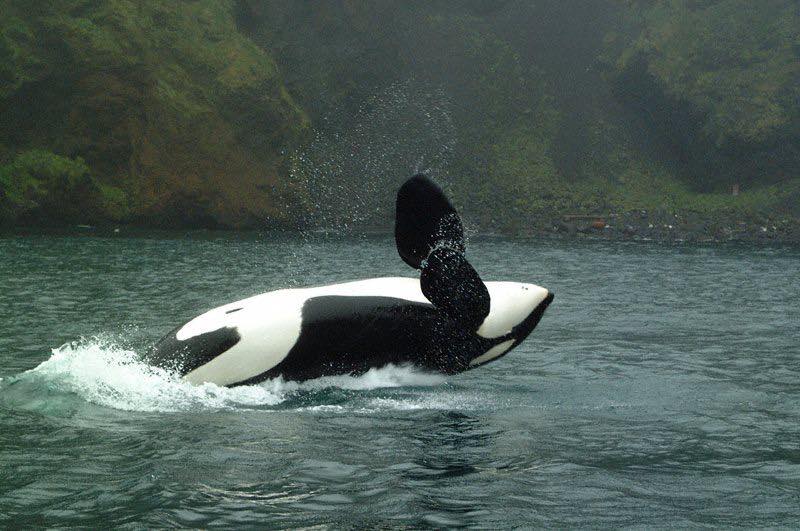
But the process was far more difficult than many had hoped.
Orcas are incredibly social animals, and Keiko had spent most of his life around humans instead of a whale pod. While he occasionally encountered wild orcas, he struggled to integrate with them.
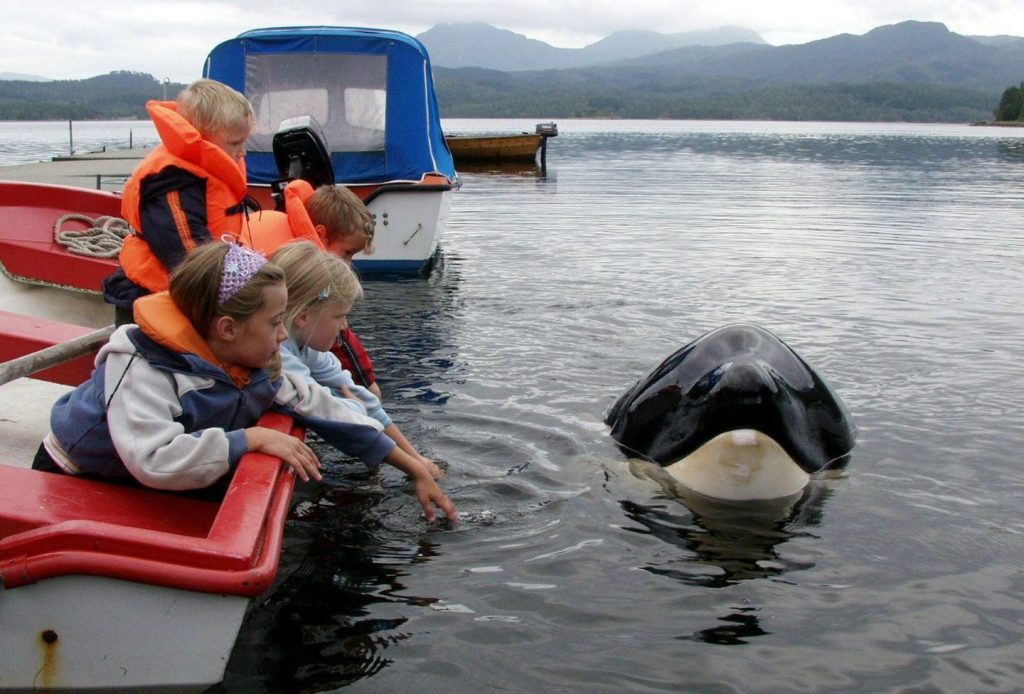
Instead, he often sought out people.
He appeared comfortable near boats and human companions, behaviors that would be unusual for a truly wild orca. The very thing that made Keiko beloved by humans may have also made it impossible for him to fully return to wild society.
Still, after years of rehabilitation, Keiko was officially released from his sea pen in July 2002.
For the first time in decades, he was completely free.
Keiko Swims To Norway
What happened next surprised many experts.
Rather than fully joining a pod of wild Icelandic orcas, Keiko began traveling long distances on his own. Eventually, he swam across the North Atlantic to Norway.
There, residents in Taknes Fjord quickly became attached to him.
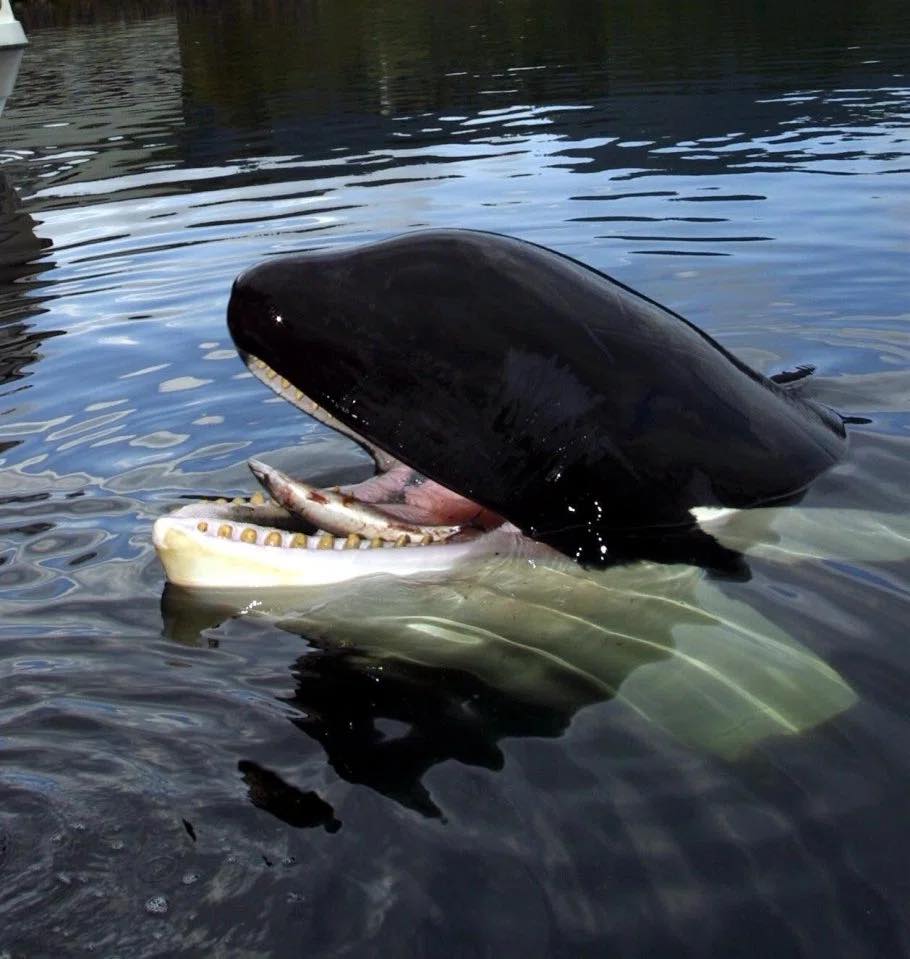
Keiko frequently approached boats and interacted with people. Videos and photographs from the time show the orca calmly swimming near humans, allowing touching and close encounters.
But beneath the hopeful headlines was a difficult reality.
Keiko was alive in the wild, but he was also alone.
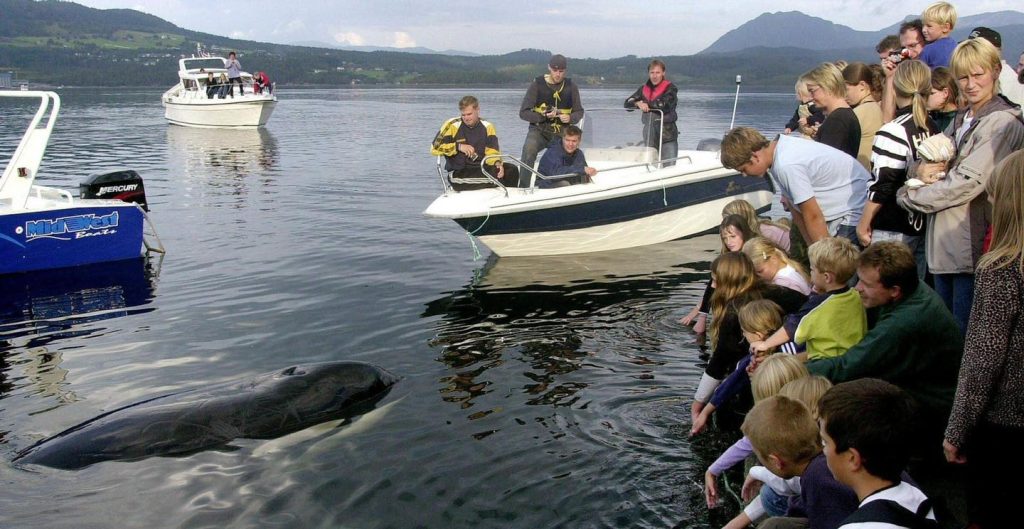
Many experts believe he never fully adapted to life without human support or companionship. While he demonstrated the ability to travel great distances and survive independently for periods of time, he never successfully reintegrated into a wild orca pod.
Then came the devastating ending nobody wanted.
Keiko’s Death
On December 12, 2003, Keiko died in Norway from acute pneumonia.
He was only 27 years old.
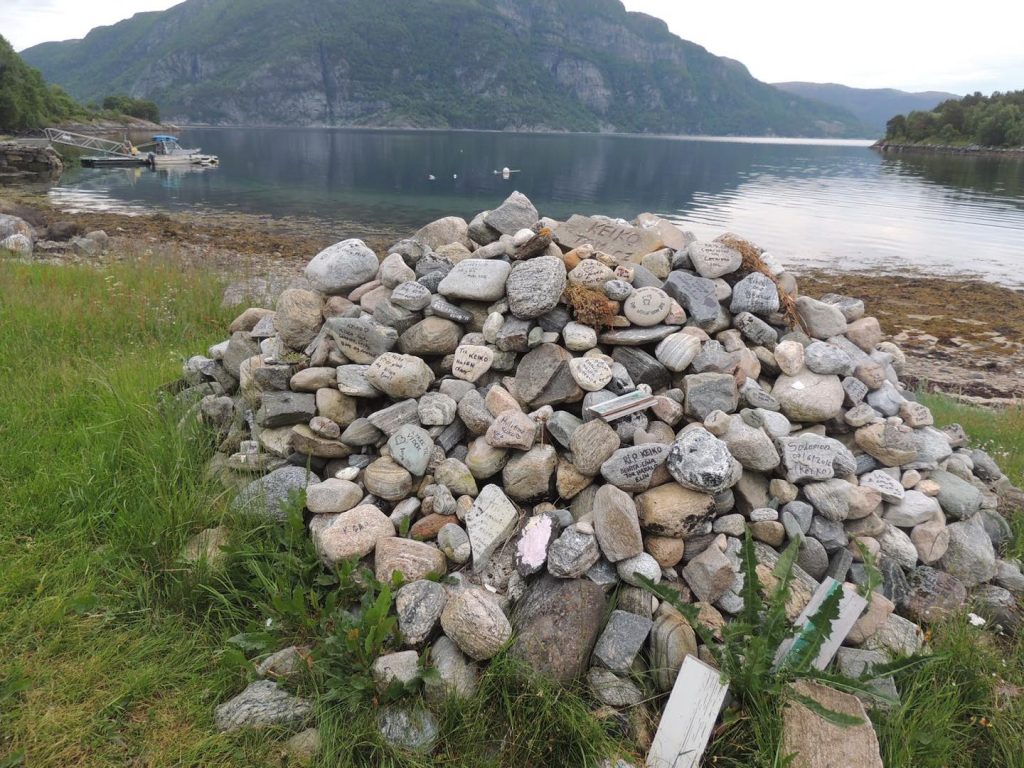
For a male orca in the wild, that was relatively young. Wild male orcas often live 30 to 50 years, while females can live much longer, sometimes reaching 80 or even 90 years old.
News of his death spread around the world.
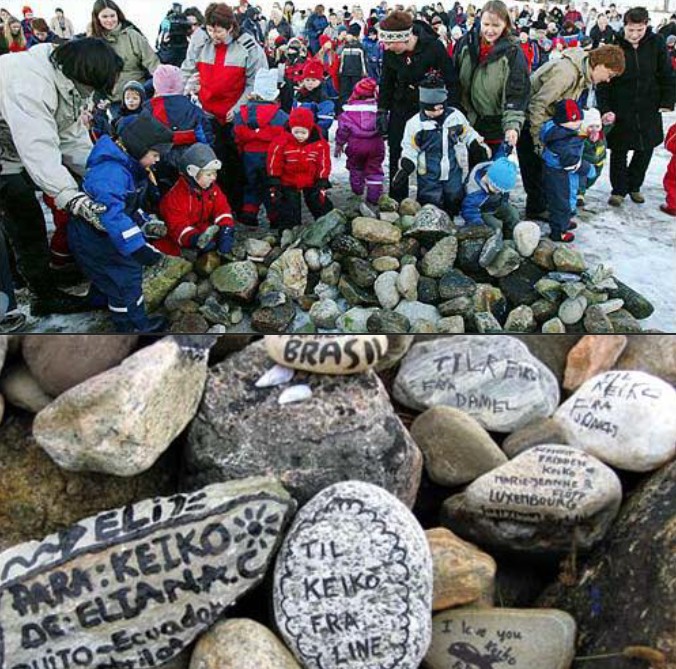
For many people who had followed his journey since childhood, it felt deeply personal. Keiko had become more than a whale. He represented hope, compassion, and the possibility that humans could correct at least one wrong inflicted on nature.
Even though his release did not unfold exactly as activists envisioned, Keiko’s impact was undeniable.
The Legacy Of Free Willy
Today, Keiko’s story remains one of the most important chapters in marine animal history.
His life fundamentally changed public conversations around captivity, marine parks, and animal welfare. The movement surrounding Keiko helped fuel growing criticism of keeping orcas in tanks for entertainment, eventually influencing public opinion worldwide.
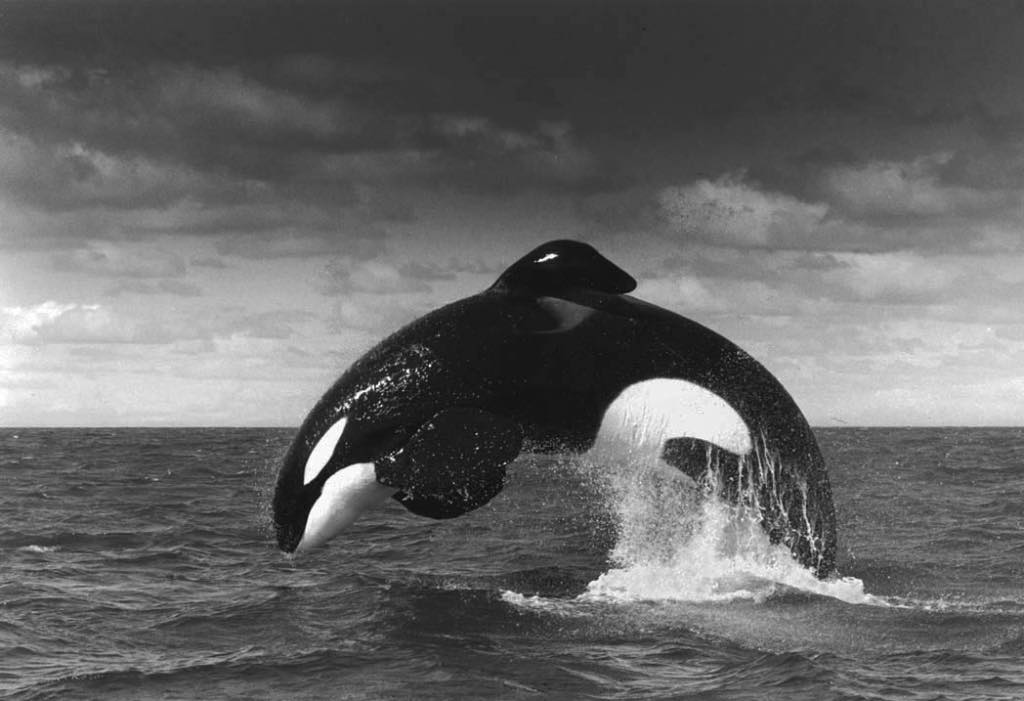
Long before documentaries like Blackfish sparked modern debates, Keiko had already planted the seeds.
And here in Oregon, his memory still lingers strongly along the coast.
Thousands of people who visited the Oregon Coast Aquarium during the late 1990s still remember seeing him swim through Newport’s cold waters. For many children, it was the first time they understood that animals could suffer emotionally and psychologically in captivity.
Keiko’s story was never a simple fairy tale.
He did not ride triumphantly into the ocean and disappear happily into a pod of wild whales like the ending of Free Willy. Reality was messier, sadder, and more complicated.
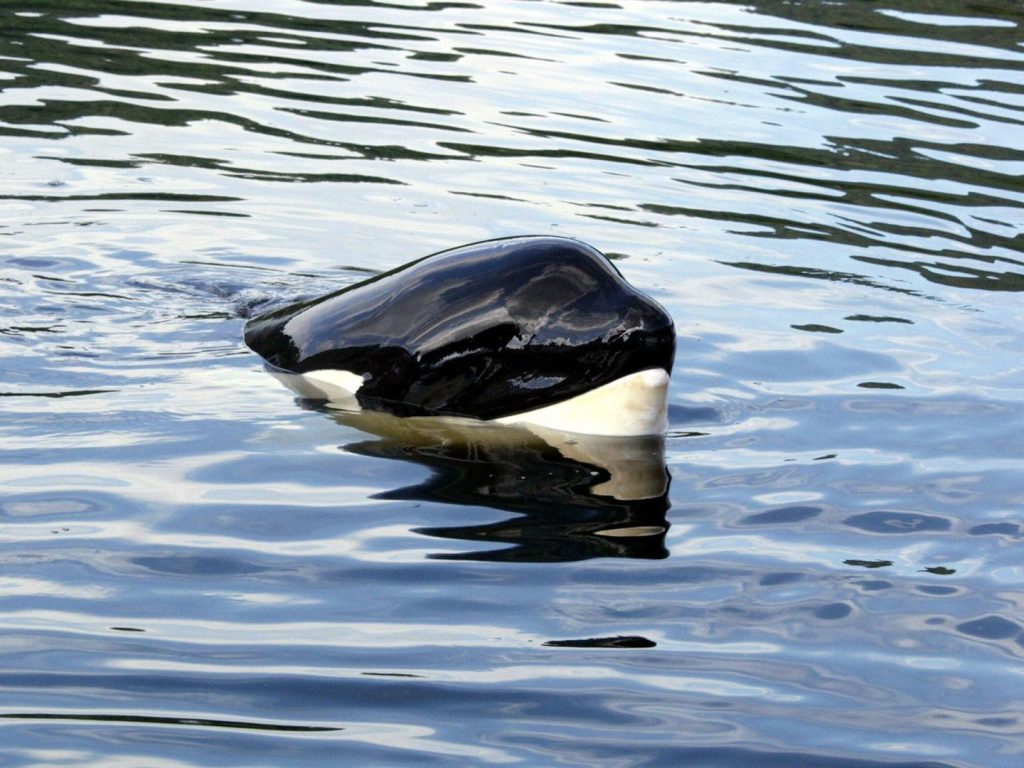
But perhaps that is what makes his story so powerful.
Keiko reminded the world that wild animals are not performers, props, or movie characters. They are living beings with instincts, social bonds, and emotional needs we still barely understand.
Even now, decades later, the whale who played Willy continues to inspire conversations about compassion, conservation, and what true freedom really means.