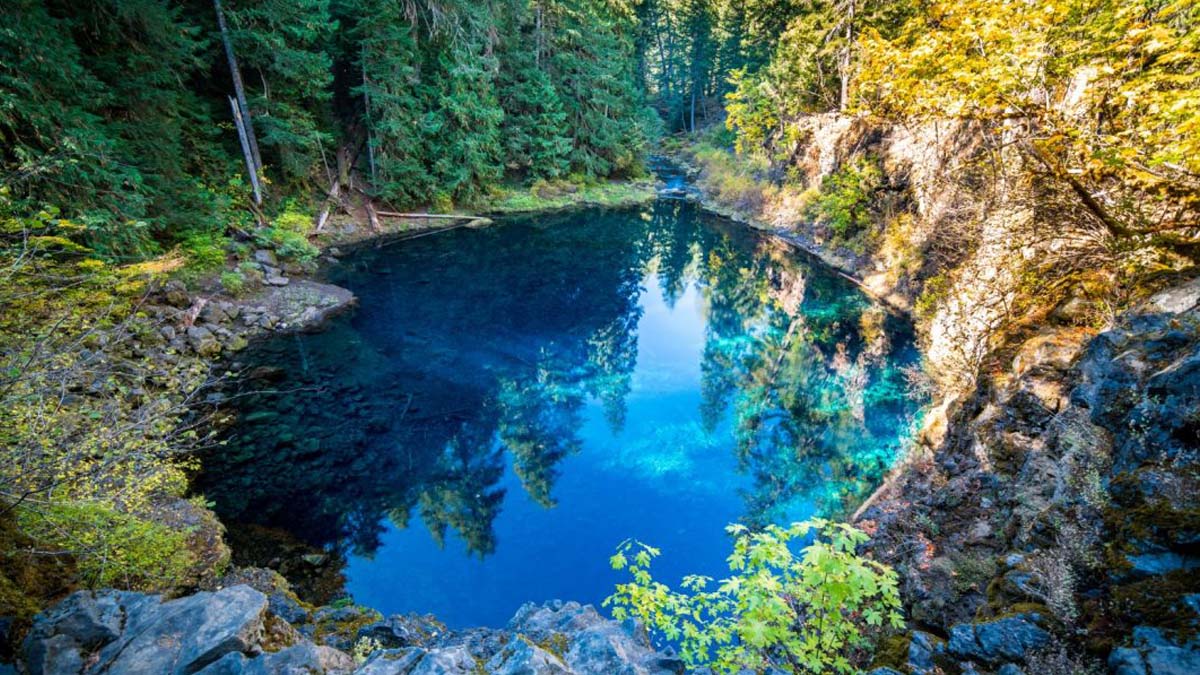
For years, the hike to Tamolitch Blue Pool has been one of those rare Oregon experiences that still feels raw, natural, and earned.
Planning a visit? Read our complete Blue Pool Oregon hiking guide for the current trail, parking, cold-water safety, and trip-planning context.
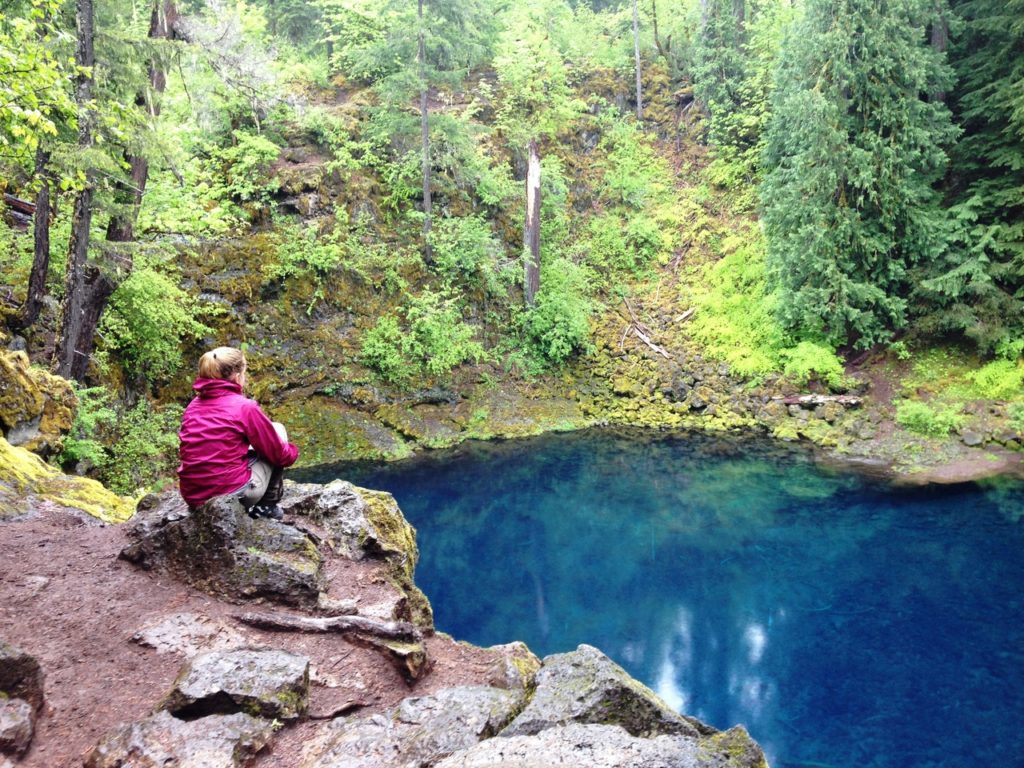
The turquoise water glowing beneath ancient lava rock. The towering forest. The uneven trail winding through moss and volcanic terrain. The feeling that you’re stepping into something wild instead of walking through a carefully curated attraction built for Instagram traffic.
And now, apparently, that’s a problem.
According to reporting from Zach Urness at Statesman Journal, the proposal goes far beyond adding a few signs or improving parking flow. The roughly $3.4 million project to be completed in 2027 would replace the existing trailhead, create a new parking system and parking area, reroute portions of the McKenzie River Trail, and add additional recreation amenities aimed at improving safety and handling the enormous crowds Blue Pool now attracts. Officials say the goal is to reduce congestion and improve visitor experience at one of Oregon's most heavily visited natural attractions.
And that's where many Oregonians may start scratching their heads.
Specific changes to the existing infrastructure include:
- A new $3.4 million trail systemReplacement of the existing trailhead
- A new parking lot/parking management system intended to reduce congestion
- Rerouting portions of the McKenzie River National Recreation Trail
- Additional visitor recreation amenities
- Safety-focused changes aimed at managing heavy visitor use and crowding
- Accessibility improvements are also being discussed as part of the redesign effort
- Long-term plans around managing impacts from extremely high visitation numbers at Blue Pool
On paper, those goals sound reasonable. Nobody wants emergency vehicles blocked in. Nobody wants overflowing parking chaos or dangerous crowding.
But here’s the problem.
Somewhere along the way, Oregon stopped asking an important question:
Do we actually need to redesign every popular natural area?
Because this is where the conversation shifts from basic maintenance into something bigger: are we preserving a wild Oregon experience, or are we redesigning it around ever-growing tourism numbers?
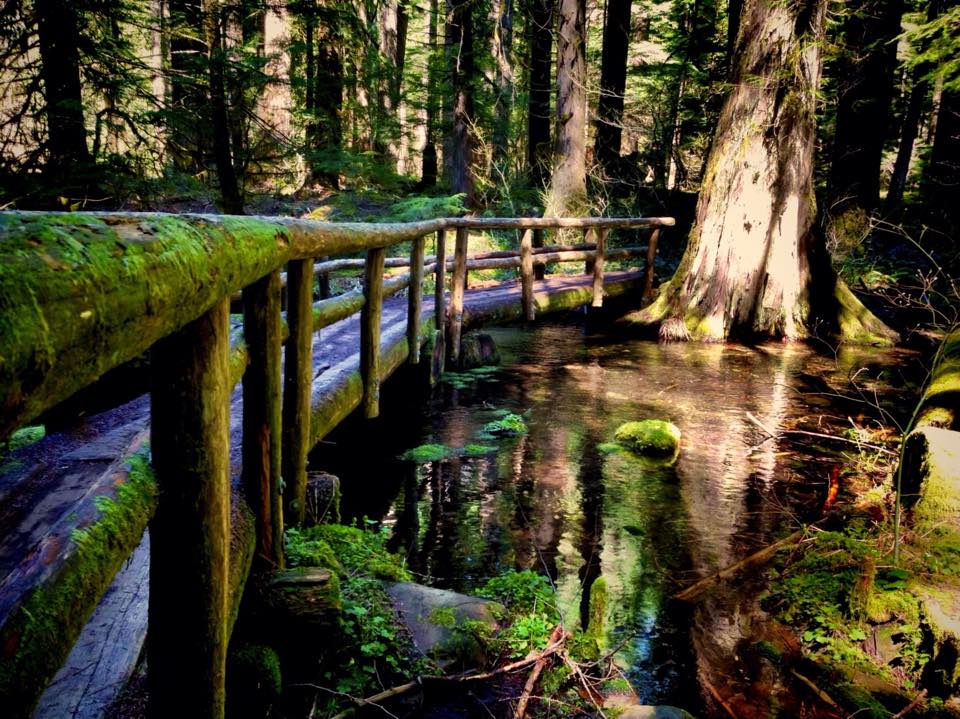
Not every trail needs boardwalks, widening projects, engineered viewpoints, expanded infrastructure, or a “visitor experience upgrade.” Sometimes nature is supposed to feel rugged. Sometimes a trail is allowed to challenge people a little. Sometimes the answer to overcrowding is not spending millions reshaping the forest to accommodate endless growth.
Sometimes the answer is simply: enough people are already there.
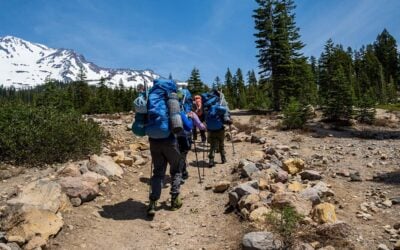
Blue Pool became famous because it didn’t feel manufactured. It felt untouched. The hike has always been part of the experience. The roots, rocks, lava fields, narrow sections, and forest terrain remind people they’re entering a real wilderness area, not an amusement park.
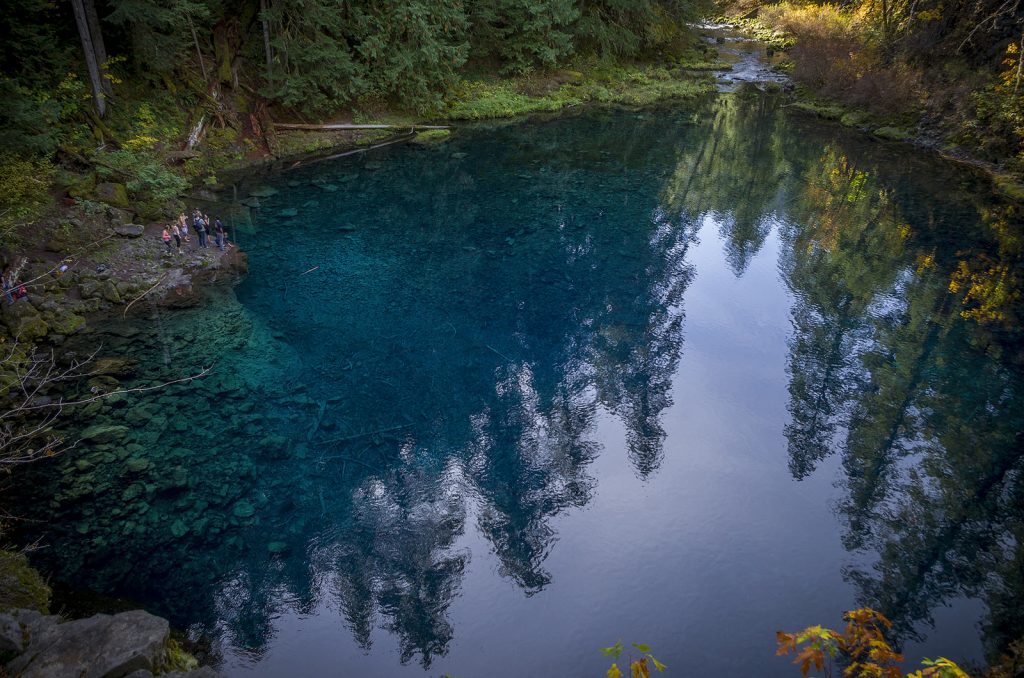
And frankly, most Oregonians who have hiked it over the years probably agree: the trail is fine. More than fine, in fact. It's hands-down the most stunning trailhead I've ever hiked.
Could parking be managed better during peak summer weekends? Sure. Could visitors use more education about safety, Leave No Trace principles, and the freezing water temperatures? Absolutely.
But replacing and revamping trails in the name of “improvement” is becoming a pattern across Oregon, and locals are getting tired of watching beloved outdoor spaces slowly transformed into sanitized high-traffic recreation corridors.
We’ve seen this story before.
A hidden gem becomes popular on social media. Crowds increase. Agencies panic. Then comes the cycle of expansions, redesigns, fees, reservation systems, larger parking lots, fencing, railings, and infrastructure projects that slowly chip away at the exact thing people loved in the first place.
Eventually, the place stops feeling wild at all.
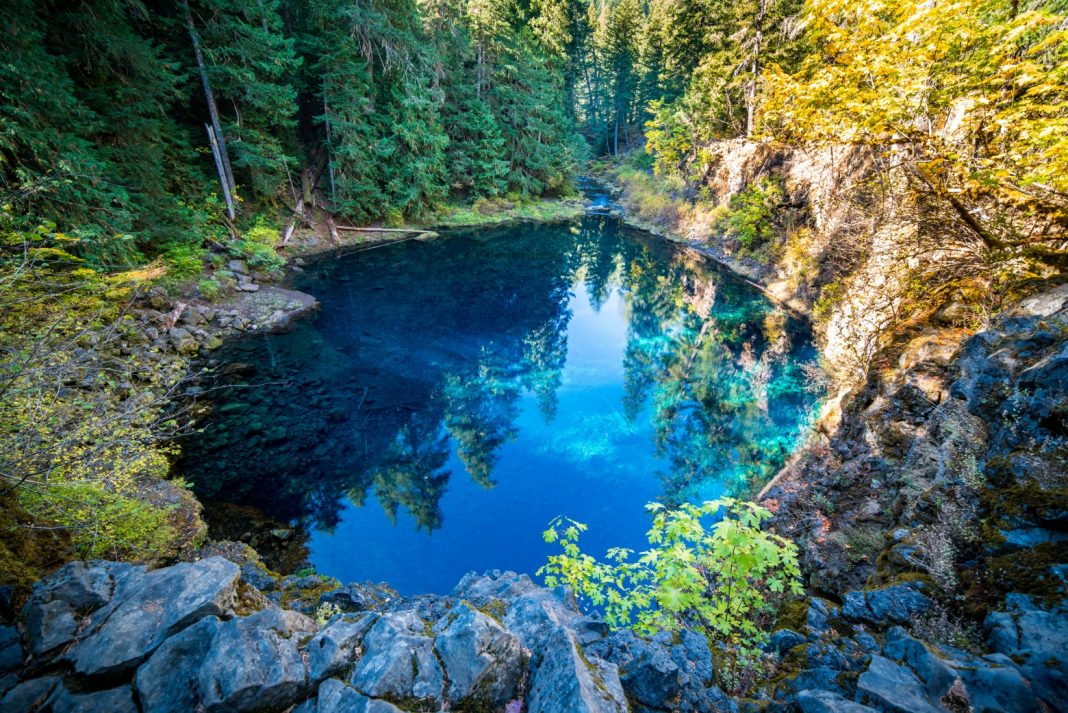
The irony here is hard to ignore. Oregon spends decades telling people to “discover” these incredible places, promotes them heavily through tourism campaigns, watches them explode online, then acts shocked when too many people show up.
Now taxpayers are expected to bankroll redesigns for problems created largely by overtourism and social media exposure.
And let’s be honest for a second: there are countless trails across Oregon that genuinely do need attention right now. Trails washed out by storms. Campgrounds falling apart. Forest roads in terrible shape. Understaffed recreation areas. Neglected infrastructure throughout public lands.
That’s where many Oregonians would rather see limited funding go.
Not toward rebuilding a trail that already works.
Part of what makes Oregon special is that not every outdoor destination feels polished and convenient. Some places still require effort. Some places are crowded because they’re wildly popular, not because the trail itself failed.
Blue Pool doesn’t need to become easier, wider, smoother, or more developed to remain beautiful.
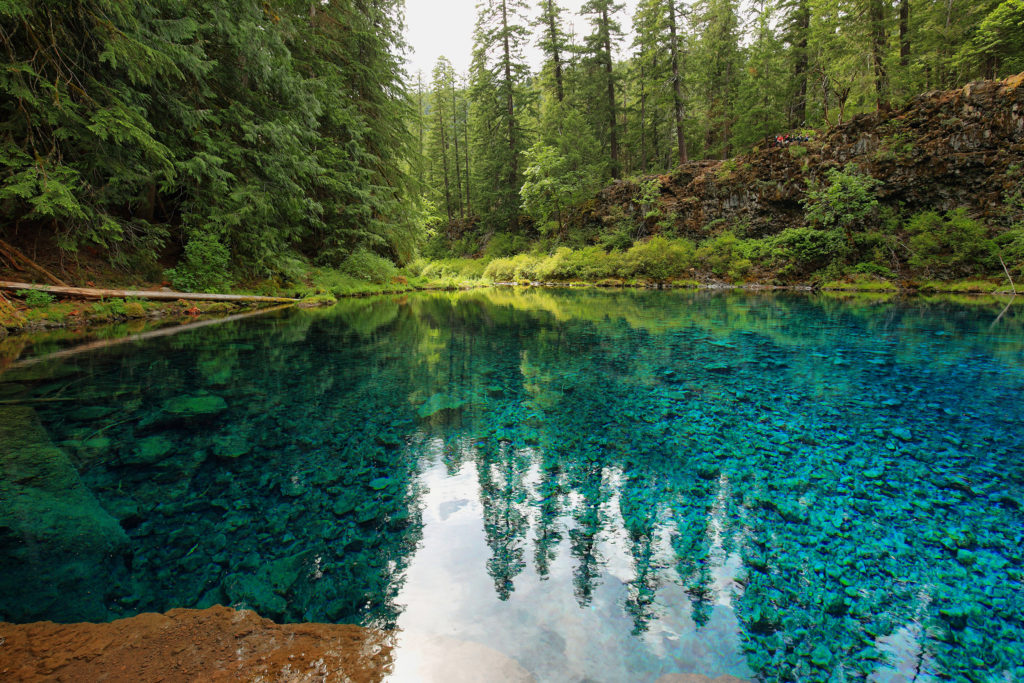
If anything, Oregon should be focusing on dispersing recreation pressure by promoting lesser-known destinations instead of continuously rebuilding iconic spots into high-capacity tourist funnels.
Because once these places lose their rugged character, you don’t get it back.
And that’s the real fear many locals have here.
Not that Blue Pool will suddenly become ugly. That’s impossible. It’s one of the most stunning natural features in the Pacific Northwest.
The fear is that Oregon’s wild places are slowly being redesigned around volume instead of experience.
More people.
More infrastructure.
More access.
More development.
More management.
Less wilderness.
Nobody is arguing against basic maintenance. If a bridge is unsafe, fix it. If emergency access is needed, improve it. If parking creates hazards on Highway 126, address it. But replacing trail systems and reshaping one of Oregon's most iconic hikes begins to feel less like preservation and more like transformation.
At some point, we have to decide whether every beautiful place in Oregon is meant to accommodate unlimited tourism growth, or whether some places should simply remain what they already are: imperfect, natural, and unforgettable.