
Lately, I cannot go anywhere without someone bringing this up. It comes up in passing conversations, quick chats with friends, even random messages out of nowhere. “Have you heard about this IP28 thing?” And every single time, my answer is the same. Absolutely. I have been following it closely ever since I first got wind of it.
And while I strongly believe something this extreme should never happen in Oregon, I would be lying if I said I was not concerned that it is even being seriously discussed in our state.
Because if we are being honest, Oregon has developed a reputation. This is a place that does not just flirt with radical ideas, it sometimes runs headfirst into them. That is exactly why a proposal like Oregon Initiative Petition 28 is not being laughed off the stage as quickly as it probably would be somewhere else. We have seen things pass here that, at one point, felt just as unlikely.
That context matters.
IP28 is not coming out of Salem. It is a citizen-driven initiative backed by animal rights activists who want to fundamentally change how animals are treated under Oregon law. On the surface, the pitch sounds simple enough. Close loopholes in animal cruelty laws. Protect animals. It is the kind of messaging that, if you hear it in a sentence or two, might not raise many red flags.
But once you actually look at what the proposal does, the scope becomes something entirely different.
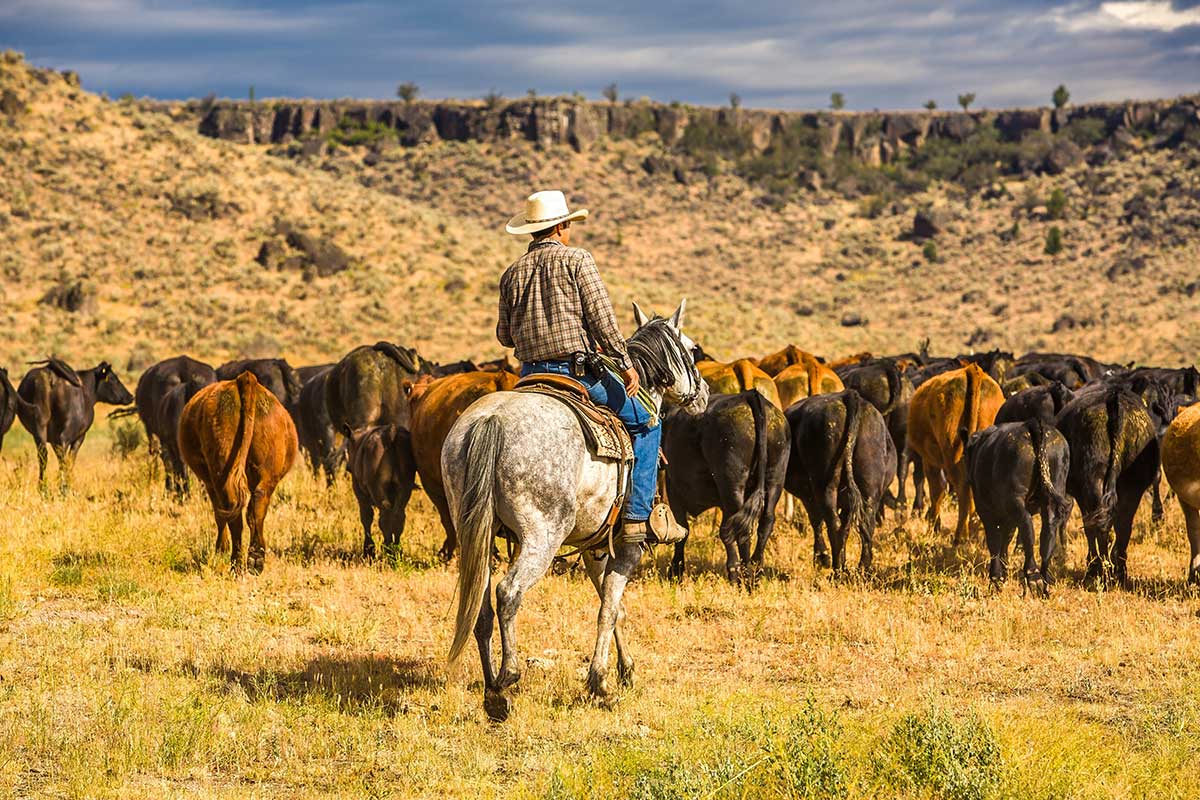
What IP28 attempts to do is remove long-standing exemptions that currently allow for everyday, deeply ingrained parts of life in Oregon. Farming. Ranching. Hunting. Fishing. Standard animal breeding. These are not fringe activities. They are not rare edge cases. They are part of how this state functions.
And that is where this stops being theoretical and starts becoming very real.
For many Oregonians, especially outside of the Portland metro bubble, these are not optional choices. They are not lifestyle hobbies. They are how people feed their families, support their communities, and maintain a level of independence that has always been part of life here.
That reality becomes even clearer when you look at something we have all experienced in recent years. Grocery stores are not always dependable. Supply chains break. Prices spike. Shelves sit empty longer than they should. Systems that were supposed to be stable have shown, more than once, that they are not guaranteed.
When that happens, people do not turn to policy. They turn to what works. Hunting, fishing, raising livestock, growing food. That is not a political statement. That is survival.
And IP28 directly collides with that.
When you dig into the wording of the proposal, the concerns become even more serious. The language centers around causing harm or death to animals, with extremely limited exceptions. Once you remove the current legal protections that carve out space for agriculture and food production, that language does not just target abuse. It has the potential to apply broadly to almost any situation where an animal is intentionally killed.
That creates immediate, real-world problems.
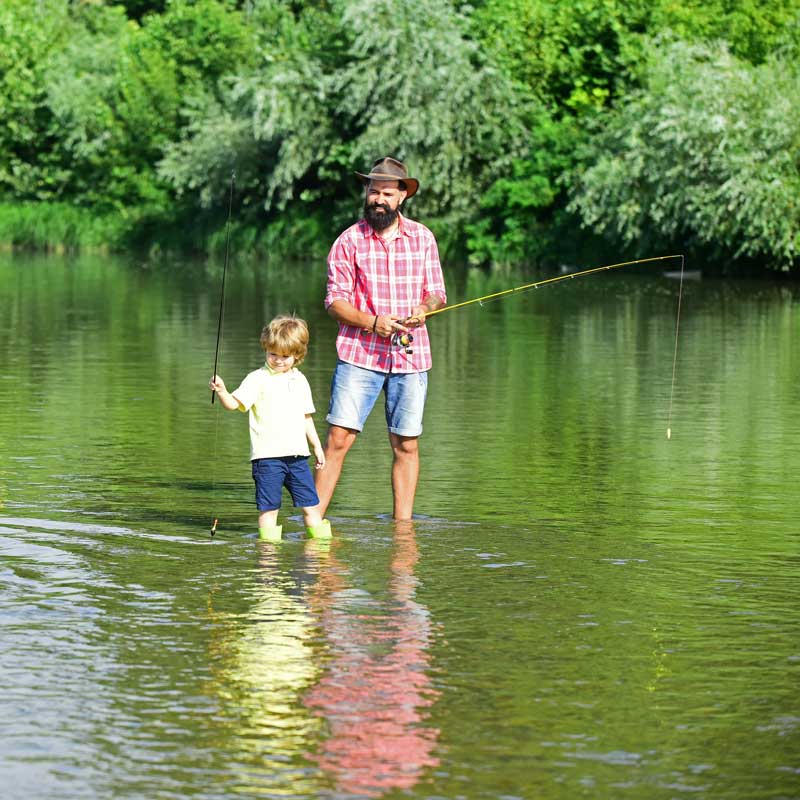
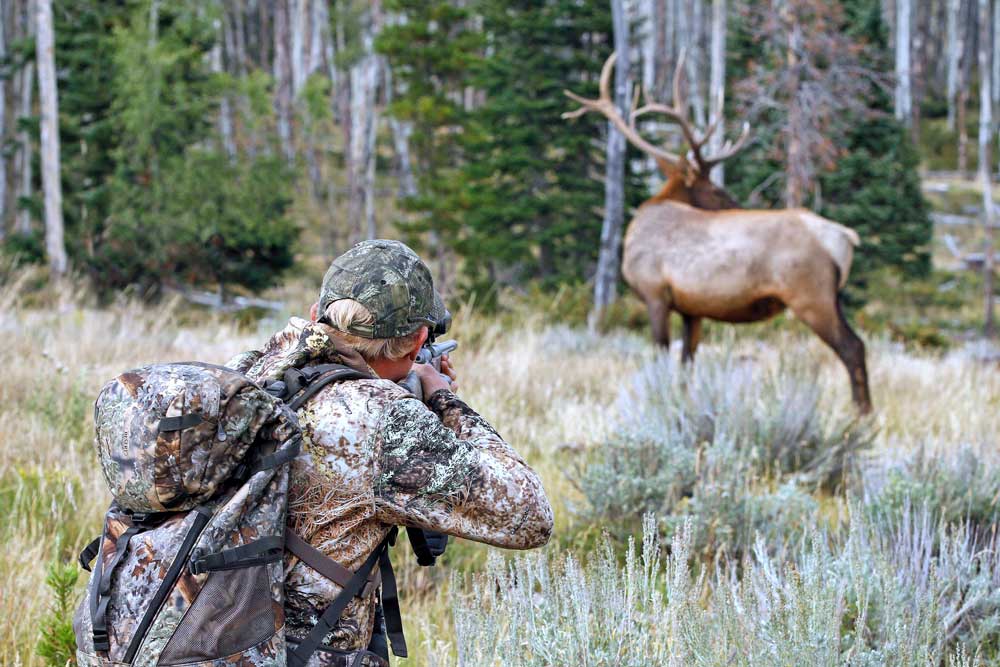
A rancher processing cattle for food. A family hunting deer during a legal season. Someone fishing to stock their freezer. Under today’s laws, these are normal, regulated, and accepted activities. Under a strict reading of IP28, those same actions could be interpreted as criminal.
Even basic pest control starts to fall into question. There has already been serious discussion about whether common practices like trapping rodents could be impacted depending on how the law is enforced.
And it does not stop there. Veterinary care, livestock breeding, educational use of animals, even zoos have been brought into the conversation because of how broad and unclear the language is. When a law creates that much uncertainty across so many areas of life, it is not just flawed. It is unworkable.
There are also consequences that go beyond the obvious.
Wildlife conservation in this country is heavily funded by hunters and anglers through licenses and equipment taxes. That money supports habitat restoration, species management, and conservation programs across the board. Remove those activities, and you do not just remove recreation. You remove a major funding source that helps sustain wildlife populations in the first place.
That is a ripple effect most people do not think about at first glance.
At the same time, it would be a mistake to completely dismiss this as impossible. Oregon has already gone down the road of major policy experiments that sounded good in theory and played out very differently in reality. The state’s drug decriminalization effort stands as a stark warning. What was once celebrated has, in the eyes of many residents, helped fuel a rapid decline in parts of Portland, where open drug use, strained public resources, and a noticeable drop in quality of life have become part of the everyday landscape.
That history has created a level of hesitation.
Because now, when something like IP28 comes along, people are not just laughing it off. They are asking a more uncomfortable question. What if it actually makes it further than it should?
But even with that concern, this proposal runs into several hard realities that are very difficult to overcome.
The first is simple math. To even reach the ballot, it needs well over 100,000 valid signatures. That is not easy. It requires momentum, organization, and widespread understanding of what people are signing. When confusion and misinformation surround a proposal, signature gathering becomes even more difficult.
The second is the statewide vote. Oregon is not just Portland and Eugene. Rural communities carry weight, and when a measure directly threatens agriculture, hunting, fishing, and self-sufficiency, those communities show up. Historically, proposals that disrupt everyday life in a major way do not survive once the entire state has a say.
Then there is the economic reality. Agriculture and outdoor industries are not side pieces of Oregon’s economy. They are central to it. Disrupting them affects jobs, food supply, prices, and entire local economies. Even voters who support stronger protections for animals tend to draw a very clear line when it comes to destabilizing how food is produced.
There is also the legal side. A measure this broad would almost immediately face challenges tied to federal law, interstate commerce, and treaty rights. It would not quietly go into effect. It would be tied up in court, likely for years.
And then there is something even more basic than all of that.
People simply would not accept it.
If something like this were ever to pass, you would not see quiet compliance. You would see people continue to hunt, fish, and raise their own food the same way they always have. Not as a political statement, but because those practices are tied directly to survival and independence. At that point, enforcement becomes unrealistic, and the law itself starts to collapse under its own weight.
Which brings this to the core of the issue.
At its heart, IP28 is not just about animal rights. It is about control. Control over how people live, how they provide for themselves, and ultimately, what they are allowed to eat.
And that is where most Oregonians, regardless of where they fall politically, are going to draw a hard line.
Because once you start telling people they cannot hunt, cannot fish, cannot raise their own food, you are not just regulating behavior. You are taking away independence. You are shifting control of something fundamental, food, away from individuals and into the hands of systems that have already proven they are not always reliable.
That is not something people in this state are going to accept quietly.
Oregon has shown it is willing to experiment. It has shown it is willing to take risks on big ideas.
But it has also shown there is a limit.
And this feels like one that, once fully understood, Oregonians will reject without hesitation.