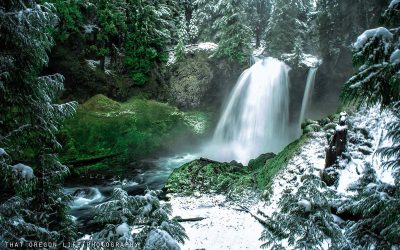
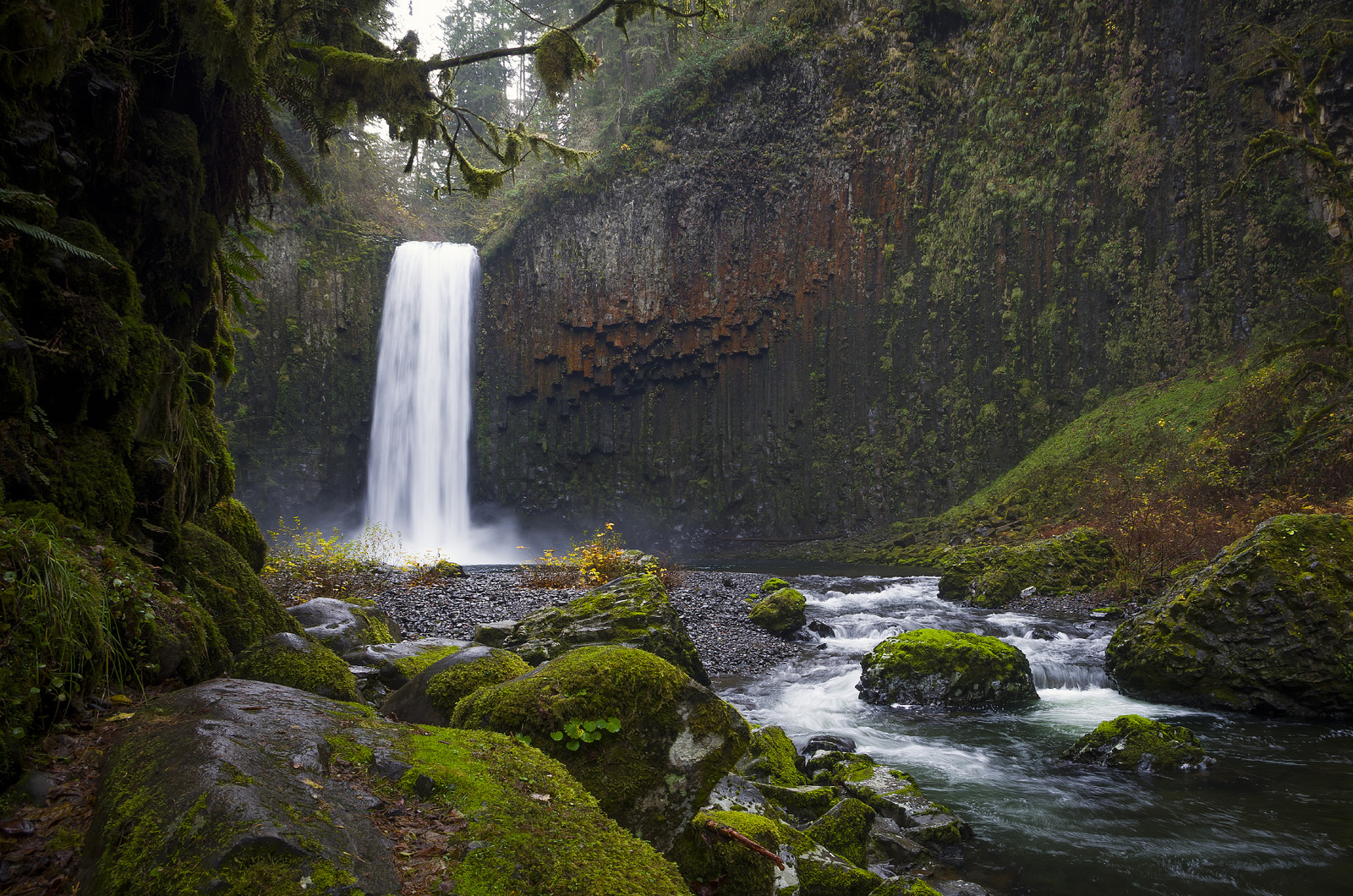
One of the Pacific Northwest’s most photographed waterfalls is officially on the market, and it’s setting off alarm bells across the state. That Oregon Life has been writing about this beloved spot since 2016, and ten years ago, I couldn't have imagined that I'd be writing about it today in this context.
But here we are.
Abiqua Falls, the 92-foot plunge tucked into a rugged canyon near Scotts Mills, was quietly listed for sale on Redfin on February 2. There’s no price attached, just a blunt reminder of how rare this situation really is. The falls are described as the “defining natural feature” of a 40-acre parcel, with the listing noting that waterfalls of this scale are almost always public or permanently protected. Private ownership of something like this is, in their words, “exceptionally uncommon.”
That alone should make Oregonians pause.
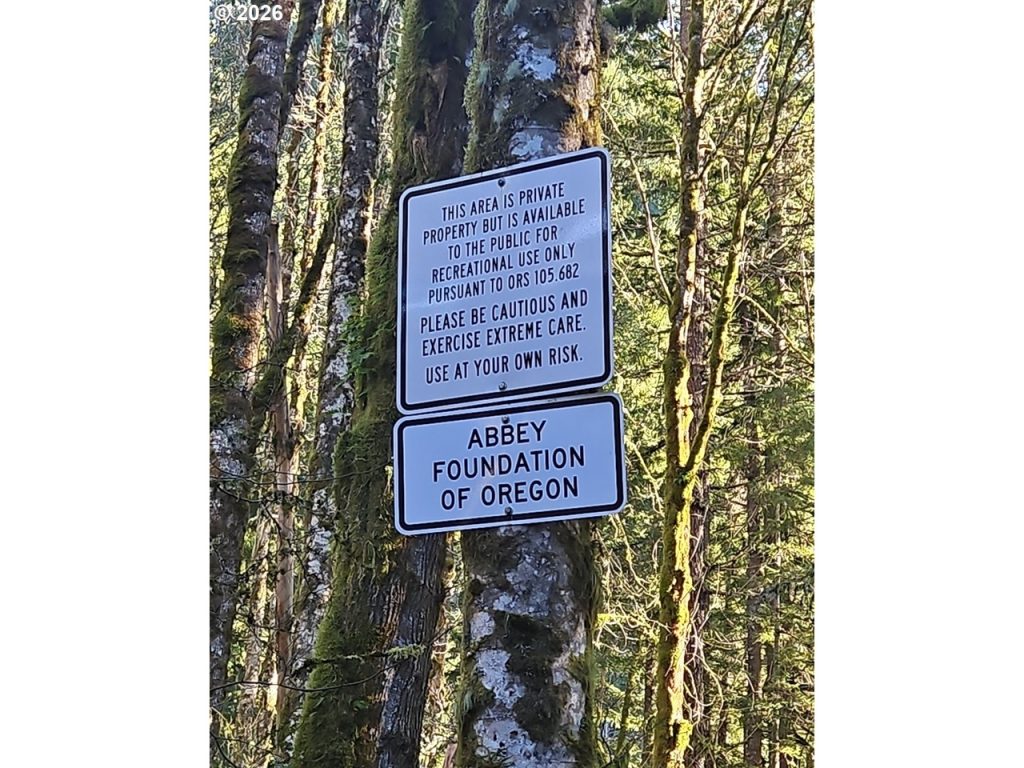
The property is currently owned by the Abbey Foundation of Oregon, an organization that supports Mount Angel Abbey. For decades, the Foundation has allowed public access to Abiqua Falls, even as its fame exploded in the 2010s thanks to social media. The waterfall sits southeast of Silverton and just northeast of Silver Falls State Park, making it a bucket-list destination for hikers, photographers, and anyone chasing that misty, mossy Oregon magic.
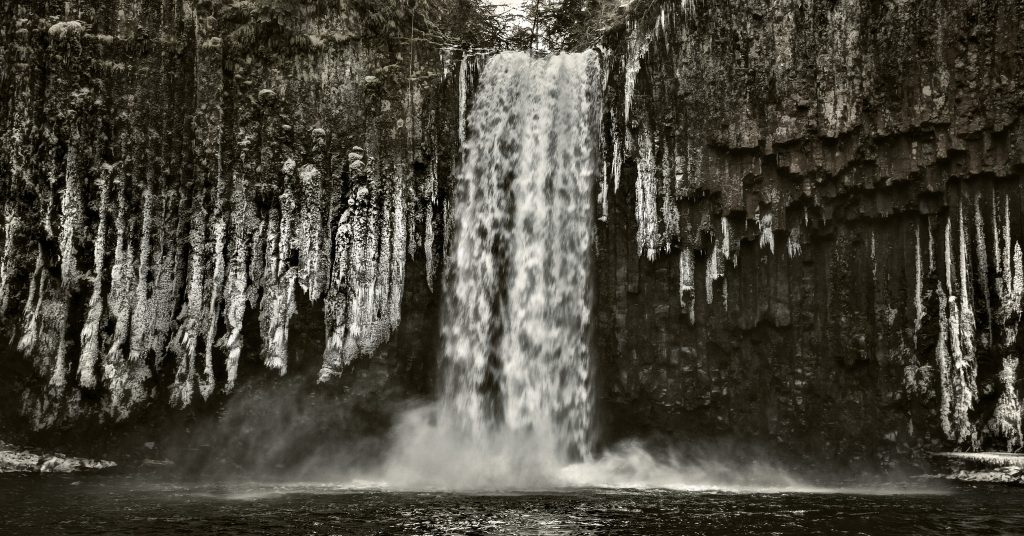
In a statement to Zach Urness of The Statesman Journal, the Abbey Foundation said it spent nearly ten years working with the Bureau of Land Management in hopes of trading the Abiqua property for another 40-acre parcel closer to its existing timber holdings. That deal never came together. Eventually, the trustees decided they had a fiduciary responsibility to offer the land for sale, with the hope that whoever takes it on next will continue to steward what they openly describe as an “incredible resource.”
That hope matters, because Abiqua Falls hasn’t been easy to manage.
As its popularity surged, so did the risks. Multiple injuries have occurred at the site over the years, including a dramatic rescue in May when a 22-year-old man from Utah leapt off the falls. A handful of whitewater kayakers have also made headlines after plunging over the edge. The listing itself emphasizes that the land is zoned forest, a designation meant to protect natural resources and limit development. In other words, this is not prime real estate for luxury cabins or a waterfall-side wedding venue.
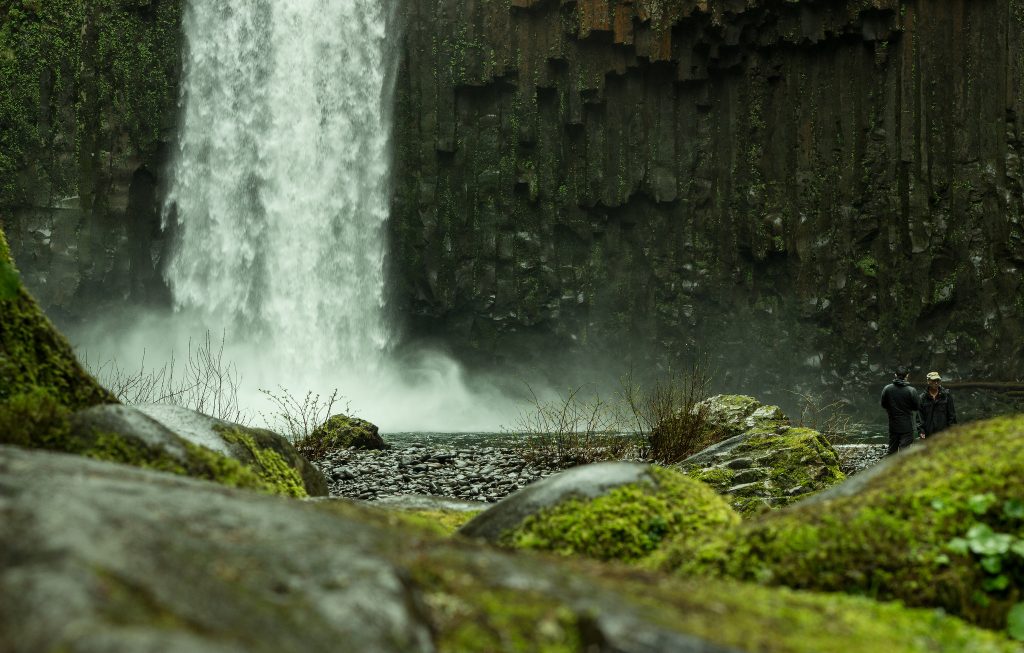
The listing also points to Oregon’s updated recreational immunity laws, which reduce landowner liability when people are injured while recreating on land they didn’t pay to access. It’s a subtle signal that access could, in theory, continue, but nothing about that is guaranteed.
According to the listing, the property is best suited for “generational ownership” by families, foundations, or institutions focused on long-term conservation and legacy. The language is lofty, almost reverent. This isn’t just land with a waterfall, they argue. It’s guardianship of a natural landmark.
What remains unclear is how much development, if any, a future owner could pursue, and whether public access would remain unchanged. That uncertainty is what has conservationists and outdoor advocates paying close attention.
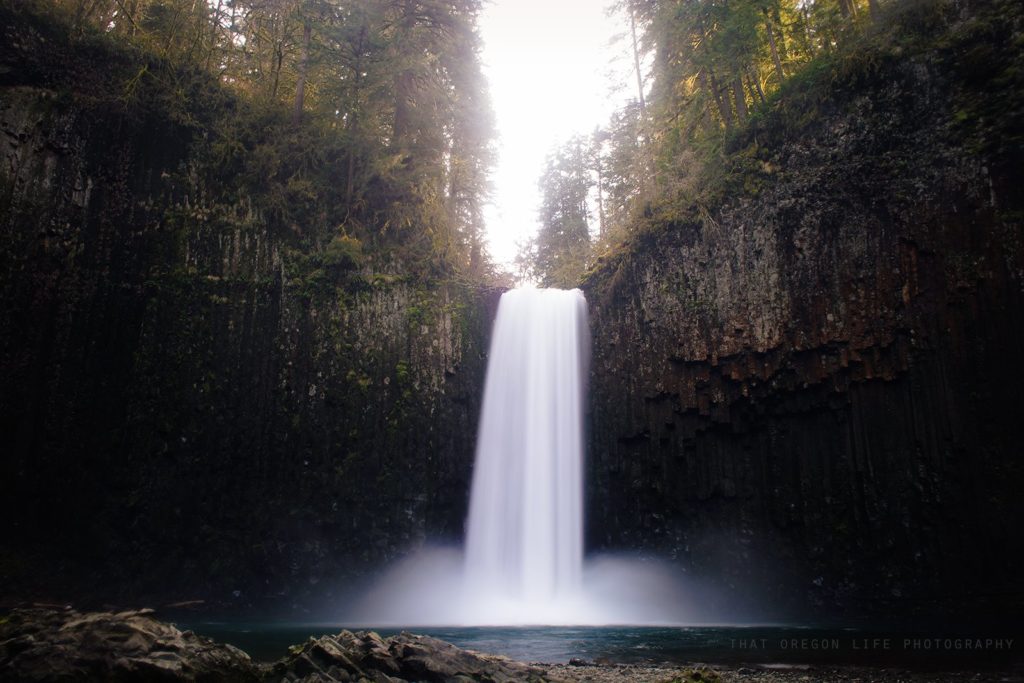
Public lands advocate Ryan Ernst says this is a moment where Oregon can’t afford to stay quiet. He believes the site would make sense as part of a state forest and says the public should push for an outcome that preserves access.
“We have an incredible opportunity to carry on what the Abbey has provided to the public,” Ernst said. “My hope is that the state can find a way to acquire this special and unique place where the public can continue to find nature and themselves.”
Alongside the main waterfall parcel, an additional 160 acres along Abiqua Creek is also up for sale, raising even more questions about the future of the entire area.
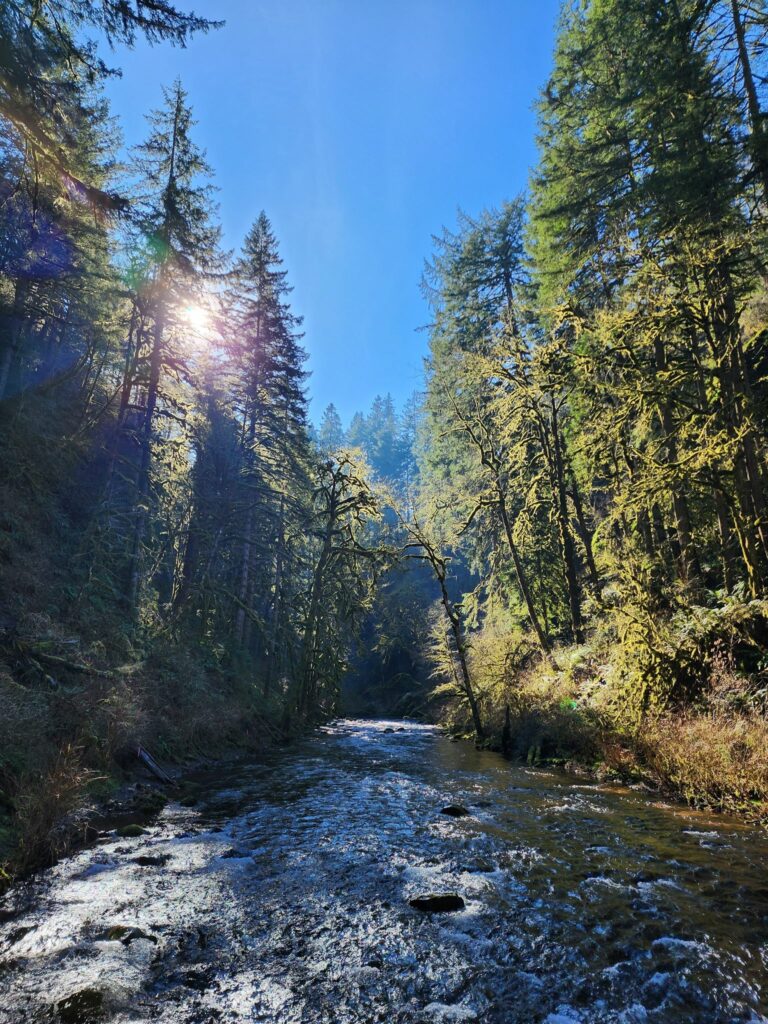
At a time when Oregon isn’t gaining many new recreation sites and seems to be losing access to more places every year, the idea of Abiqua Falls disappearing behind a locked gate feels especially heavy. This is one of those rare, soul-level landscapes that defines why people fall in love with this state in the first place.
What happens next for Abiqua Falls likely comes down to who ends up owning it. While Oregon’s forest zoning and environmental laws make large-scale development unlikely, they do not guarantee public access. The property could be acquired by the state or a conservation group, preserving access with added safety measures, or purchased by a private owner who values stewardship but ultimately controls who can visit. In a less hopeful scenario, ongoing injuries and liability concerns could lead a new owner to restrict or fully close access, something that would be legal even under Oregon’s updated recreational immunity laws. The waterfall itself isn’t going anywhere, but whether people can continue to experience it in person is far from assured.
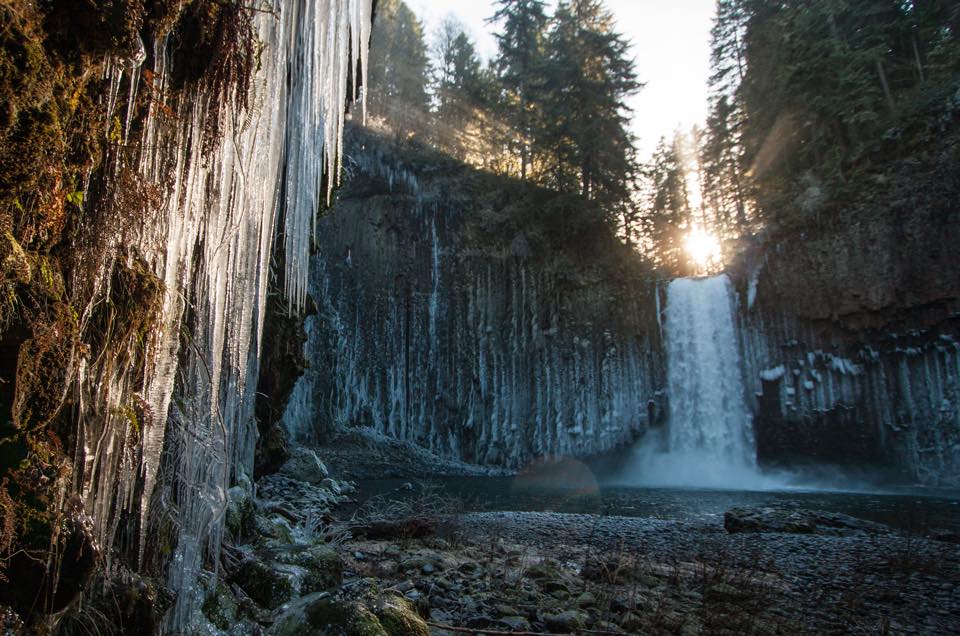
For now, Abiqua Falls still roars, still draws hikers down that steep, muddy trail, still reminds people why wild places matter. Whether it stays that way may depend on whether enough people speak up, and whether anyone in a position to listen decides that some things are simply too important to lose.
--Reporting originally by Zach Urness, Statesman Journal.