

A case that horrified Oregon more than a decade ago is back in the spotlight, and for many people across the state, the emotions are just as raw today as they were in 2010.
According to Sahara Dwight’s father, Dustin Michael Wallace, the Roseburg man convicted of raping and murdering 5-year-old Sahara Grace Dwight when he was 16 years old, is scheduled for a parole eligibility hearing on June 3, 2026. The hearing stems from changes to Oregon law that eliminated life without parole sentences for juveniles, even in aggravated murder cases.
Now, Sahara’s family is speaking publicly again, urging people not to forget what happened to their little girl.
“That’s my baby girl,” Sahara’s father, Tyler Dwight, said in emotional TikTok videos circulating online. “She doesn’t have a voice anymore. Let’s be her voice.”
@phataces my 5 yr old Daughter was R/unalived. I Need your help.#help #unalived #sa #letsbehervoice #voice ♬ original sound - _slowerr
The case has reignited fierce debate across Oregon about juvenile justice reform, public safety, and whether some crimes are simply too horrific to ever warrant a second chance.
The Crime That Shocked Oregon
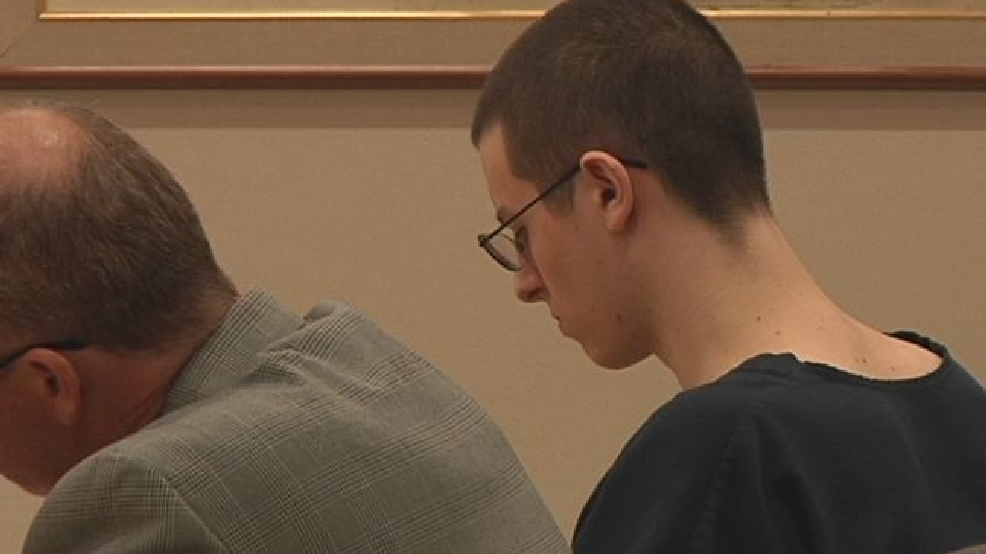
On July 9, 2010, 5-year-old Sahara Dwight was killed inside her Roseburg home in a crime prosecutors described as unspeakably brutal.
According to court records and trial testimony, Dustin Wallace had been staying at the residence because his father was involved with Sahara’s mother at the time. Wallace was 16 years old.
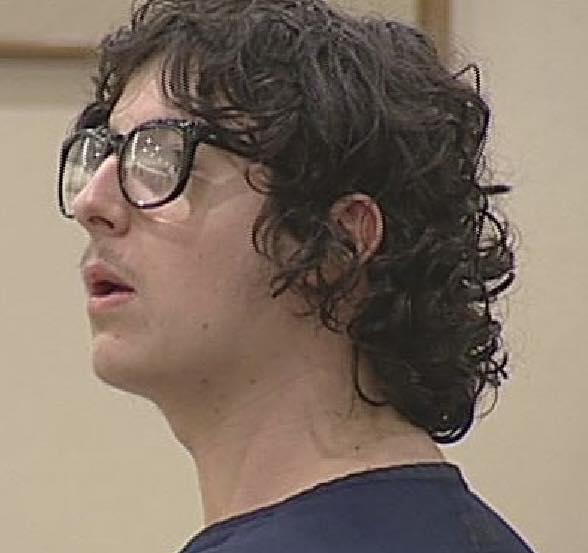
Investigators said Wallace entered the little girl’s bedroom while she slept and sexually assaulted her. Prosecutors stated that when Sahara woke up and fought back, Wallace suffocated her to death.
The details that emerged during the investigation horrified even veteran investigators and courtroom observers.
Authorities said the assault continued after Sahara had died. Medical evidence reportedly showed severe trauma and significant injuries consistent with violent sexual assault.
Wallace was arrested days later and ultimately charged with multiple crimes, including aggravated murder, rape, unlawful sexual penetration, and sexual abuse.
Because of the severity of the crime, Wallace was prosecuted as an adult under Oregon’s Measure 11 laws.
He later waived his right to a jury trial.
Judge Said Wallace Should Never Walk Free
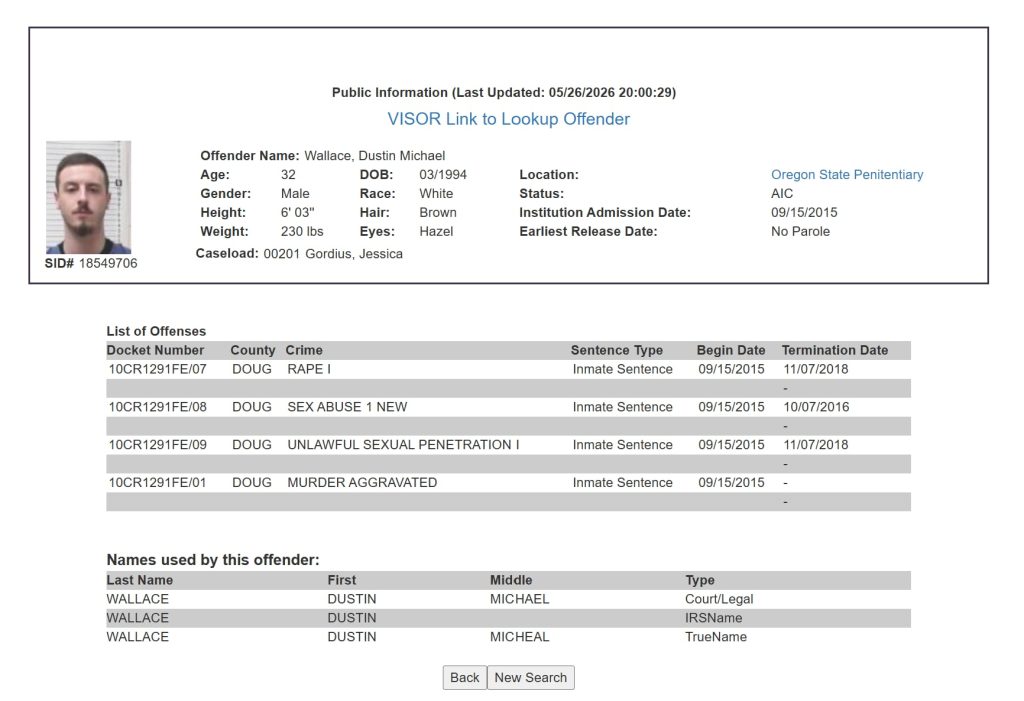
In June 2012, Douglas County Circuit Judge Randy Garrison found Wallace guilty on multiple counts, including six counts of aggravated murder.
Months later, during sentencing, Judge Garrison made it unmistakably clear how dangerous he believed Wallace was.
The judge stated that Wallace “poses too great a risk to the public ever to be allowed free.”
He further stated that justice required Wallace never be released on parole.
At the time, Wallace received a sentence of life without parole, which many believed would ensure he remained behind bars permanently.
For Sahara’s family, the sentence provided at least some measure of closure after enduring one of the worst imaginable tragedies.
But years later, Oregon law changed.
The Kate Brown Law at the Center of the Controversy
The renewed outrage surrounding Wallace’s case centers largely on Senate Bill 1008, a juvenile justice reform bill signed into law in 2019 by former Oregon Governor Kate Brown.

The legislation dramatically changed how Oregon handles juveniles convicted of serious crimes.
The law was passed in response to evolving U.S. Supreme Court rulings regarding juvenile sentencing, including decisions that found mandatory life without parole sentences for minors unconstitutional in many cases.
Supporters of the reform argued that children and teenagers have underdeveloped brains, diminished impulse control, and greater capacity for rehabilitation than adults.
Under SB 1008, Oregon eliminated lif without parole sentences for crimes committed before age 18.
The law also created pathways for parole review and “second look” hearings for juvenile offenders serving lengthy prison terms.
Importantly, the law applied retroactively.
That meant inmates already serving life without parole sentences for crimes committed as juveniles could eventually become eligible for release consideration.
Including Dustin Wallace.
For critics, Wallace’s case has become the ultimate example of why they believe the law went too far.
Many Oregonians argue there is a massive difference between reforming sentences for troubled teens involved in robberies or gang violence versus someone convicted of raping and murdering a 5-year-old child.
Online reaction to Wallace’s upcoming hearing has been intense.
Social media has exploded with outrage, with many people saying they cannot believe someone convicted of crimes this horrific could ever be considered for release.
Others argue the law undermined the original sentence handed down by the court and reopened wounds for the victim’s family.
What Happens on June 3?
Wallace is not automatically being released on June 3.
That distinction is important.
Instead, a motion will be presented to the court as part of the legal process created under Oregon’s revised juvenile sentencing laws.
The courts will consider multiple factors, which can include:
- Conduct while incarcerated
- Psychological evaluations
- Rehabilitation efforts
- Risk assessments
- Victim impact statements
- Community safety concerns
The motion will inevitably detimine Wallace's elligibility for parole, and what occurs on June 3rd is not a parole hearing, however Sahara’s family is expected to strongly oppose any possibility of release.
The hearing has generated growing attention online as people share Sahara’s story and urge officials to deny Wallace any opportunity for freedom.
Still, legal experts note that under Oregon law, the hearing itself is not unusual given the sentencing reforms that were enacted statewide.
What makes this case different is the sheer brutality of the crime and the emotional response it continues to generate even 16 years later.
The Debate Over Juvenile Justice
Cases like this expose one of the deepest divides in criminal justice reform.
Supporters of juvenile sentencing reform point to decades of neuroscience research showing adolescent brains are not fully developed, especially in areas related to impulse control, judgment, and decision-making.
They argue that people who commit crimes as teenagers are fundamentally different from adult offenders and should not automatically be condemned to die in prison.
The U.S. Supreme Court has repeatedly ruled that juveniles deserve greater constitutional protections in sentencing because of those developmental differences.
But opponents argue there must still be limits.
Critics of SB 1008 say certain crimes demonstrate a level of depravity and danger so extreme that public safety must outweigh any possibility of rehabilitation.
For many people following Wallace’s case, this is not an abstract policy discussion.
It is about a little girl whose life ended in horrifying violence.
And for Sahara’s family, the pain never ended.
Sahara’s Family Speaks Out
In recent weeks, Sahara’s father has used social media to try to bring renewed attention to the case ahead of the June hearing.
His videos have spread rapidly across TikTok, Facebook, and other platforms, often accompanied by photos of Sahara as a smiling young child before her life was stolen.
Supporters have shared petitions, reposted court information, and encouraged others to contact state officials or attend hearings.
For many people, the case has become symbolic of broader frustrations with Oregon’s criminal justice policies.
Others caution against misinformation and stress that parole eligibility does not guarantee release.
Still, the emotional weight of the case is undeniable.
The memory of what happened to Sahara Dwight continues to haunt many Oregonians who remember the headlines from 2010.
And now, with Wallace’s hearing approaching, the case is once again forcing the state to grapple with painful questions about punishment, redemption, and whether some crimes should permanently remove a person from society.
A Story Oregon Has Not Forgotten
Even after all these years, Sahara Dwight’s story still strikes a nerve across Oregon.
Maybe it’s because of how young she was.
Maybe it’s because of the horrifying details prosecutors described in court.
Or maybe it’s because many people believed the original sentence ensured this chapter was permanently closed.
Now, with June 3 approaching, emotions are boiling over once again.
For Sahara’s family, this is not political theory or legal debate.
It is the reality of reliving unimaginable grief all over again.
And for many Oregonians watching this case unfold, one question keeps coming up again and again:
Should someone convicted of crimes this horrific ever be allowed another chance at freedom?
Sahara Dwight’s father, Tyler Dwight, has also launched a petition urging the Oregon State Parole Board to deny any future release of Dustin Wallace. In the petition, Tyler recounts the devastating loss of his 5-year-old daughter and notes that the original sentencing judge stated Wallace should never be allowed back into society. The petition argues that Wallace continues to pose a danger to the public and asks supporters to stand with the family in opposing parole. “This isn't just about justice for my daughter,” the petition states. “It is about the safety of our children nationwide.” As the June 3 hearing approaches, the campaign has begun gaining momentum online as more people across Oregon learn about the case and its connection to the state’s juvenile sentencing reforms. The petition has already generated hundreds of shares and comments, as well as over 10,000 signatures as more people across Oregon learn about Wallace’s upcoming parole-related hearing. Hit the link here to sign for yourself at moveon.org.