A major debate over the future of America’s national forests is gaining momentum, and in Oregon, where wildfire seasons have reshaped communities year after year, many are paying close attention.
The Trump administration is considering repealing the Roadless Rule, a federal policy adopted in 2001 that limits road construction, reconstruction, and most logging activities on millions of acres of national forest land. The rule affects large portions of the West, including Oregon, Washington, California, Idaho, Montana, and Alaska.
Supporters of the repeal say the policy has become outdated and prevents forest managers from properly reducing fuel loads, improving access, and restoring forests that face drought, disease, and overcrowding.
U.S. Agriculture Secretary Brooke Rollins defended the proposal, saying the administration is committed to removing “burdensome, outdated, one-size-fits-all regulations” that she says have stifled economic growth and hindered healthy forest management.
Many rural communities and timber advocates argue that strategic road access can help crews thin forests, remove dead trees, improve emergency access, and create jobs tied to restoration and forest products.
But a number of wildland firefighters strongly disagree.
Firefighters United for Safety, Ethics and Ecology, known as FUSEE, recently released a letter signed by nearly 120 wildland firefighters opposing the repeal. They argue that opening more remote forests to roads and logging could increase wildfire risk rather than reduce it.
Their main concern is simple: roads often bring more people, and people start many wildfires.
More campfires, sparks from trailer chains, vehicle ignitions, and discarded smoking materials can all become fire starts during dry conditions. Firefighters also point to research showing wildfire ignitions are often concentrated near roads and developed corridors.
Oregon firefighter Carson States, an engine boss with nearly a decade of experience, said many in the profession are skeptical that adding roads into protected areas would make crews safer.
“I firmly believe that putting these roads into these areas will not lend itself to firefighter safety,” States said.
States and others warn that new access routes could pull firefighters into steep, remote terrain where fires are difficult to control, while shifting crews and equipment away from towns and neighborhoods that need immediate protection.
Environmental advocates have also raised concerns about wildlife habitat, watersheds, recreation access, and the long-term health of some of the most intact forests remaining on public land.
At the same time, many forestry experts note there is no single solution to wildfire prevention. Some forests benefit from thinning and prescribed burns, while others are best managed with a lighter touch depending on terrain, tree species, and proximity to homes.
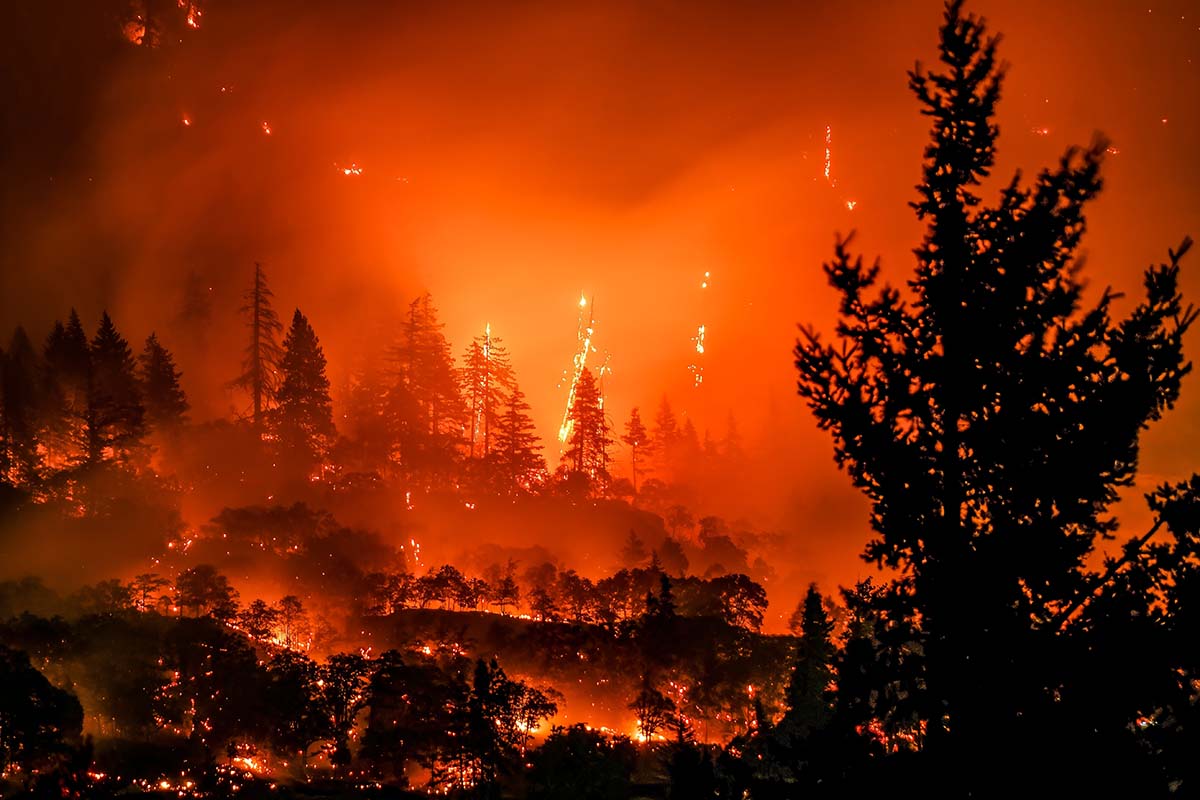
That balance is especially important in Oregon, where communities from the Cascades to Southern Oregon and the Columbia Gorge have experienced evacuations, smoke-filled summers, and devastating fire seasons.
Federal officials are expected to continue reviewing public comments before moving forward.
For many Oregonians, this debate is about more than politics. It is about how to protect communities, preserve forests, support rural jobs, and prepare for the wildfire seasons still ahead.