


In a case that has sparked renewed conversation about safety inside correctional facilities, Oregon officials have agreed to pay $295,000 to settle a federal lawsuit filed by an inmate who reported ongoing abuse while housed in a men’s prison.
The inmate, Zera Lola Zombie, is currently serving a sentence that extends to 2049 after being convicted of manslaughter and first-degree assault in connection to the 2014 death of a girlfriend. Years into that sentence, a legal battle unfolded over what happened behind prison walls.
According to court filings, the lawsuit centered on alleged mistreatment at Two Rivers Correctional Institution in Umatilla, a facility in Eastern Oregon. The claims described a pattern of harassment and degrading treatment, including forced searches, verbal abuse, and situations that the inmate’s legal team argued put them at serious risk of harm.
A federal judge reviewing the case in 2023 determined there was strong evidence suggesting repeated abuse had occurred. That ruling led to immediate changes, including classifying the inmate as vulnerable and restricting certain practices by prison staff. Among those restrictions were orders to stop invasive searches and to ensure privacy protections moving forward.
The lawsuit also detailed troubling incidents involving other inmates. At one point, Zombie was reportedly placed in a cell with a convicted sex offender serving a lengthy sentence. Court documents state that the situation quickly escalated, with claims of repeated intimidation and threats. When concerns were raised, the response from staff, according to filings, was dismissive.
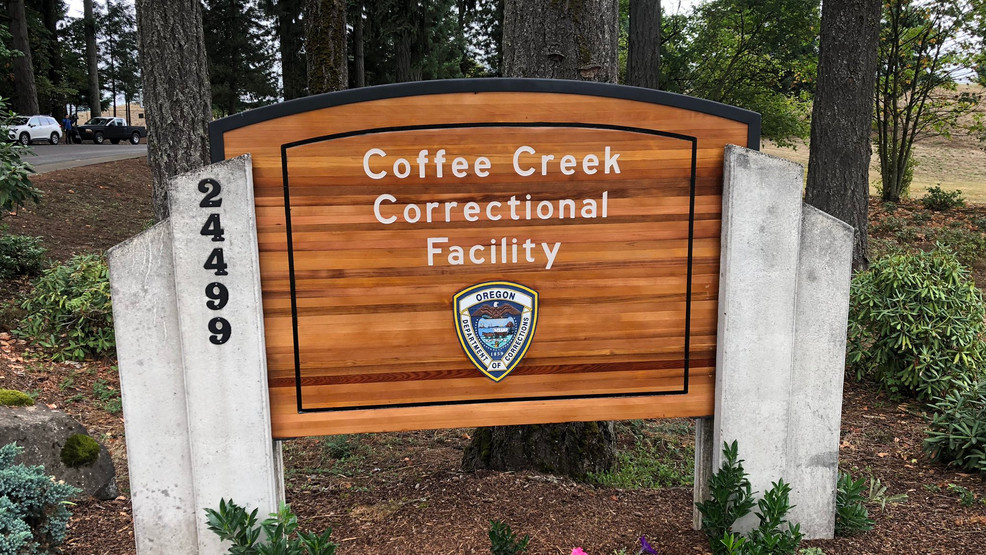
Eventually, the inmate was transferred to Coffee Creek Correctional Facility in Wilsonville, Oregon’s primary women’s prison. The move came after reports of assault and growing concern about safety conditions at the previous facility.
This week’s settlement brings the legal case to a close. Of the $295,000 total, $95,000 will go directly to Zombie, while the remaining $200,000 covers legal fees.
The Oregon Department of Corrections acknowledged the seriousness of the allegations in a public statement, emphasizing a zero-tolerance stance on sexual abuse and harassment within its facilities. Officials say they are committed to improving conditions and preventing similar incidents in the future.
The case arrives at a time when policies surrounding prison housing continue to evolve nationwide. Courts and lawmakers are actively weighing how to balance safety, medical needs, and legal rights for individuals in custody. Recent federal decisions have allowed some housing placements to proceed on a case-by-case basis, placing the burden on inmates to demonstrate risk.
For many Oregonians, the story raises broader questions about accountability and oversight within the state’s correctional system. While the settlement does not admit wrongdoing, it underscores the complexities and challenges of maintaining safety behind bars.
As Oregon continues to grapple with these issues, one thing is clear. What happens inside prison walls does not stay there. It shapes policy, sparks debate, and in cases like this, leads to costly consequences that ripple far beyond a single facility.