
It’s happening again.
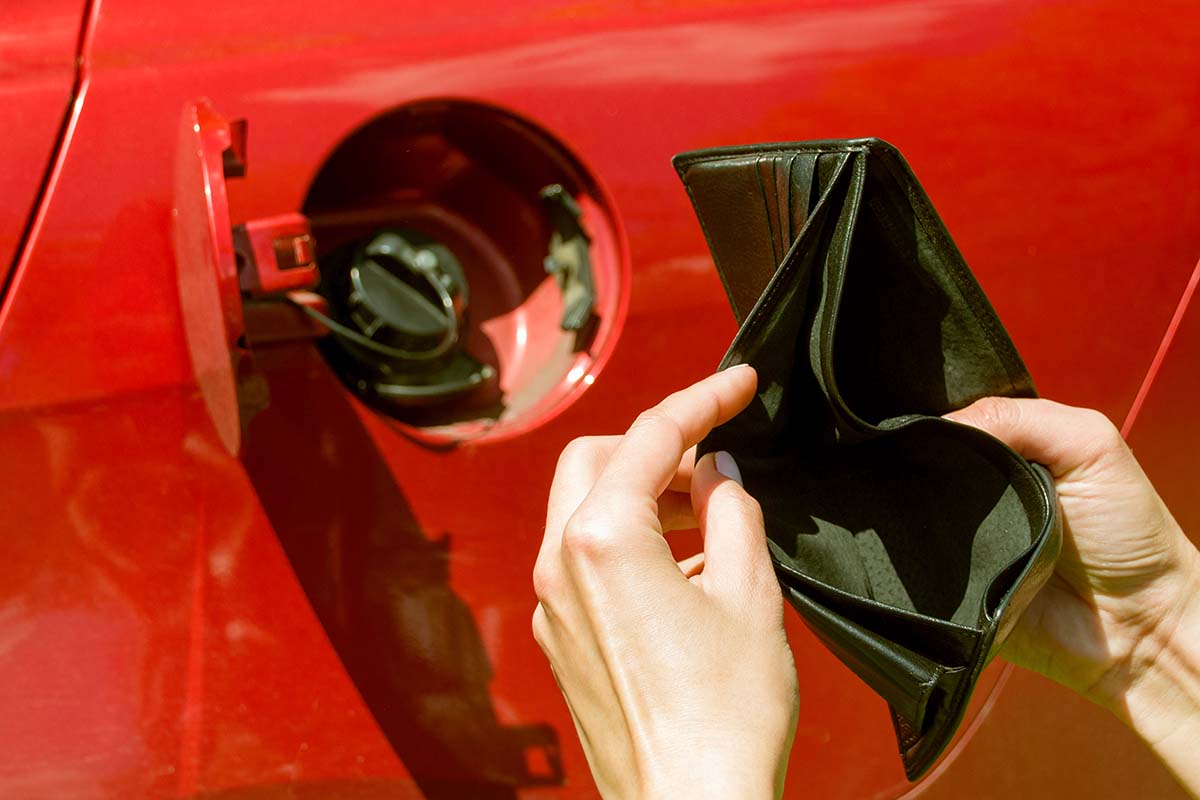
You pull into a gas station, glance up at the price, and immediately wish you hadn’t. Because somehow, once again, Oregon drivers are paying some of the highest gas prices in the entire country.
And this time, the gap is hard to ignore.
Right now, the national average sits around $3.71 per gallon. In Oregon? Drivers are paying closer to $4.48 on average, with some stations in places like Portland pushing well past $5.30 a gallon.
That’s not just higher. That’s a full dollar more per gallon than much of the country.
And it puts Oregon among the five most expensive states in the U.S., trailing only California, Hawaii, Washington, and Nevada.
So what’s driving it?
Like usual, it starts far from home.
The latest spike is tied to escalating conflict involving Iran, which has shaken global oil markets. When Iran moved to shut down the Strait of Hormuz, one of the most critical oil shipping routes on Earth, it immediately tightened supply across the globe.
Even without a true shortage, the ripple effect is enough.
Countries in Europe and Asia are now scrambling for alternative sources of oil, and that increased competition drives prices up everywhere, including here in the U.S. And because oil is sold on a global market, American producers can charge more when international demand surges.
But Oregon feels it more than most.
That’s because we’re already starting at a disadvantage. The state has no major oil refineries, relies heavily on fuel being shipped in, and has higher fuel taxes than many other parts of the country. Add in environmental policies and the annual switch to more expensive summer-blend gasoline, and prices climb even faster.
So while much of the country is still filling up in the $3 range, Oregon drivers are staring down $4 and $5 gas… again.
And it doesn’t stop at the pump.
When gas prices rise, everything from groceries to airfare to construction costs tends to follow. Fuel is baked into nearly every part of the economy, which means higher prices don’t just hit your commute, they hit your entire budget.
It’s a ripple effect that spreads fast.
And right now, Oregon is feeling it more than most of the country, every time you pull up to the pump.
The official That Oregon Life store
The Oregon you bring home.
Start the day with Oregon-roasted coffee, then find original gear inspired by the places, stories, and oddities that make this state ours.
Shop Oregon gear