
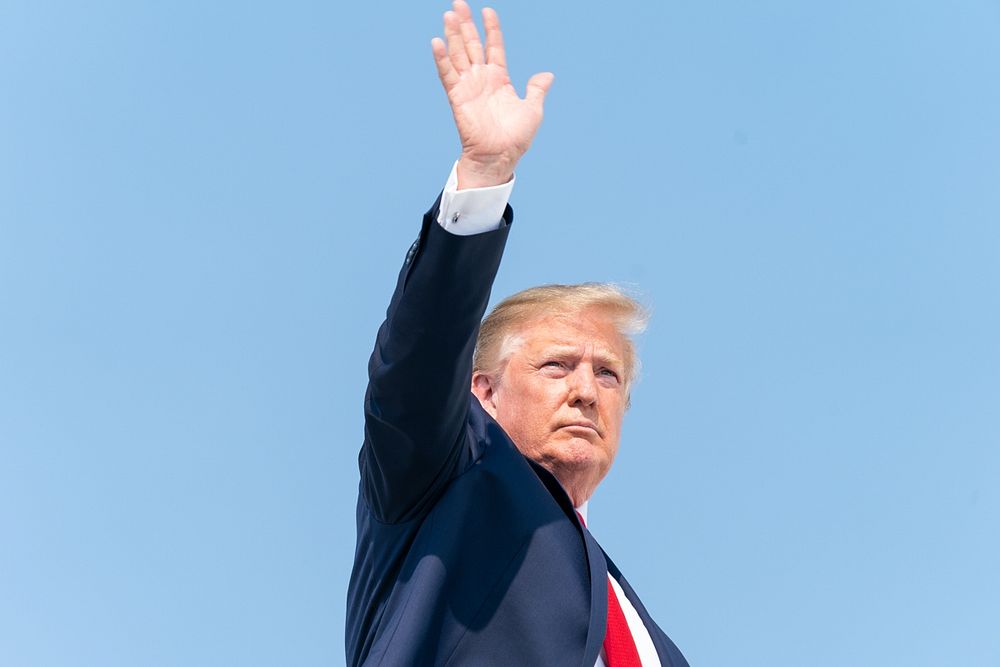
SALEM, Ore. — Oregon officials filed a lawsuit Thursday challenging new tariffs announced by President Donald Trump, warning the policy amounts to a harmful “tax on working families.”
The lawsuit, led by Dan Rayfield along with attorneys general from more than 20 other states, asks the United States Court of International Trade to block a new round of tariffs placed on imported goods under the Trade Act of 1974.
According to the complaint, the administration’s decision to impose a 15 percent tariff on many imports exceeds the authority granted by Congress and will ultimately raise prices for American consumers and businesses.
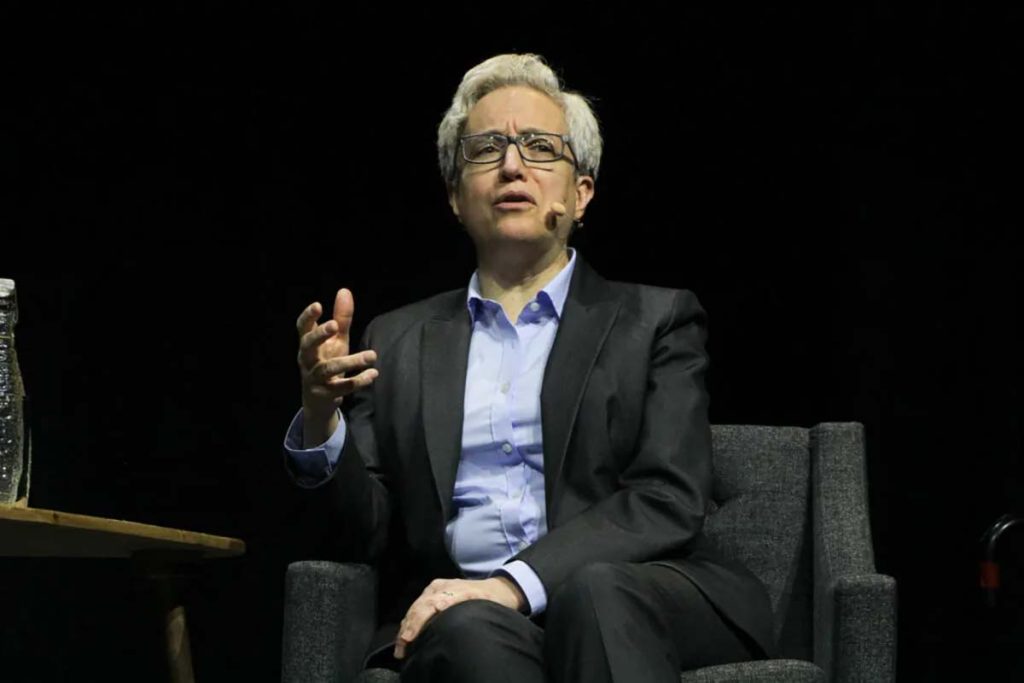
“These tariffs are another tax on working families,” said Tina Kotek in a statement supporting the legal challenge. “They drive up the cost of everyday goods while creating more uncertainty for Oregon businesses that rely on trade.”
That warning might carry more weight with Oregonians if it weren’t coming on the heels of what feels like a never-ending wave of taxes, fees, and spending packages coming out of Salem.
Since Kotek took office, residents have watched lawmakers push through a steady stream of new costs tied to everything from transportation funding to business regulations and statewide programs. For many families trying to keep up with the rising cost of living, the list has grown so long it has become hard to even remember everything that has been added.
And it’s not just taxes.
Oregonians have also watched a growing list of new fees appear in places that used to feel like a break from the daily grind. One recent example is the expanding push for paid parking at Oregon’s state parks, where visitors are now increasingly greeted with pay stations and permits just to stop and enjoy land their tax dollars already support.
For families hoping to take a simple weekend trip to the coast or spend an afternoon hiking, the message can feel pretty clear: even nature now comes with a price tag.
Housing costs are climbing. Utility bills are climbing. Taxes and fees seem to show up in new places every year. And now state leaders are warning that tariffs from Washington might increase prices.
That’s why the lawsuit struck some people as more than a little ironic.
State leaders are framing the tariffs as an unacceptable “tax on families,” even as Oregon continues piling on new costs through legislation, fees, and programs that ultimately come out of the same household budgets they say they are trying to protect.
To be clear, tariffs can increase costs. Economists often note that businesses typically pass those costs on to consumers through higher prices. But Oregon families are already navigating a cost-of-living crisis driven by some of the highest taxes and regulatory burdens in the country.
In other words, the financial squeeze didn’t suddenly begin with a tariff policy in Washington.
State officials say Oregon businesses rely heavily on imports, noting that companies in the state brought in more than $28 billion in foreign goods and parts in 2025. Industries that depend on imported materials could see costs rise if tariffs remain in place.
But for many residents, the bigger question isn’t whether tariffs raise prices.
It’s why the same leaders warning about a “tax on families” seem far less concerned about the growing list of taxes, permits, and fees that keep appearing across Oregon.
The lawsuit is being led by Oregon along with Arizona, California, and New York, with several other states joining the legal challenge.
Meanwhile, Oregon families continue doing what they’ve been doing for years now: bracing themselves for the next bill to show up.