
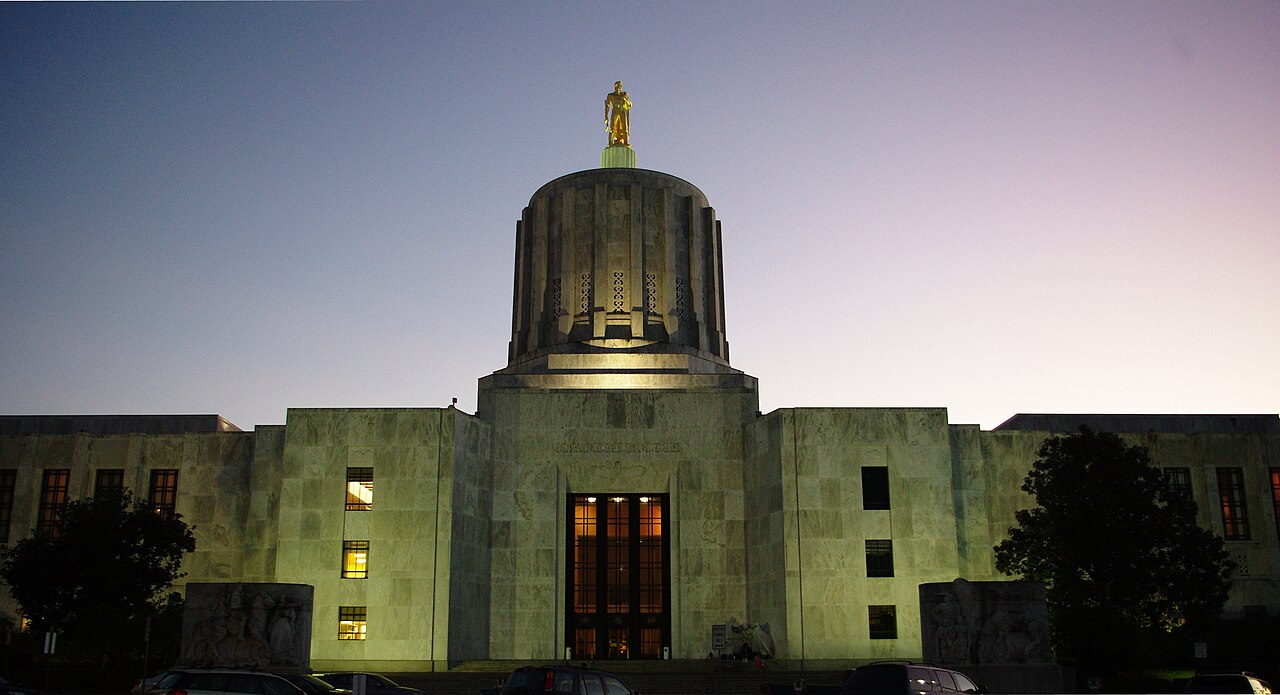
SALEM, OR — Standing beneath a banner reading “Progress Takes Time (And Money)”, Oregon leaders this week announced a bold new plan to address homelessness, housing affordability, addiction, and public safety by requesting another $500 billion to retry the same strategies that have already failed repeatedly for nearly a decade.
Governor Tina Kotek, flanked by lawmakers, budget officials, and at least three consultants whose job titles included the word equity, reassured residents that this time would be different — despite the plan being nearly identical to the last six versions.
“We know people are frustrated,” Kotek said. “But meaningful change doesn’t happen overnight. Sometimes it takes six or seven rounds of funding before we can confidently say we’re still working on it.”
Same Problems, Same Solutions, Bigger Price Tag
According to the proposal, the new funding will go toward familiar priorities: homelessness services, housing initiatives, behavioral health programs, and community-based solutions — all areas where spending has increased dramatically while visible results have remained politely theoretical.
State officials emphasized that while tents still line sidewalks, housing remains out of reach for working families, and addiction continues to spiral, this new round of funding will allow the state to ‘re-evaluate’ what didn’t work last time.
“Failure is part of the process,” said one budget committee member. “Especially when it’s well-funded.”
Homelessness Crisis ‘Still Complex,’ Somehow Still Unsolved
When asked why homelessness appears worse after billions in spending, leaders explained that the issue is complicated, a word used 47 times during the press conference.
“You can’t just expect results,” one official said. “You need patience, compassion, and another half-billion dollars.”
The new plan includes expanded outreach, additional navigation services, and a renewed commitment to long-term strategies, a phrase experts confirm means “nothing residents will notice anytime soon.”
Housing Still Unaffordable, But Very Studied
Meanwhile, Oregon residents struggling to afford rent were encouraged to take comfort in the fact that affordability remains a top priority — at least on paper.
“We’re absolutely committed to housing,” a legislator said. “That’s why we’ve commissioned another comprehensive study on why no one can afford to live here.”
The study is expected to conclude that housing is expensive, demand is high, and solutions require more funding.
Budget Leaders Stress ‘Accountability,’ Decline to Define It
State budget writers insisted accountability measures are in place, though declined to specify what happens if the money produces the same results as before.
“We’ll review outcomes,” one official said. “And if outcomes are disappointing, we’ll request more funding.”
Residents Asked to Trust the Process Again
Despite growing skepticism, leaders urged Oregonians to trust the process, reminding the public that progress takes time — especially when policies don’t work, conditions worsen, and the solution is always more money.
“Change is a journey,” Kotek said. “And journeys take time. And sometimes you walk in circles.”
At press time, officials confirmed they were already planning next year’s request, tentatively titled “Lessons Learned: Phase Eight.”
Residents were encouraged to remain patient, keep paying taxes, and avoid asking why nothing seems different.