
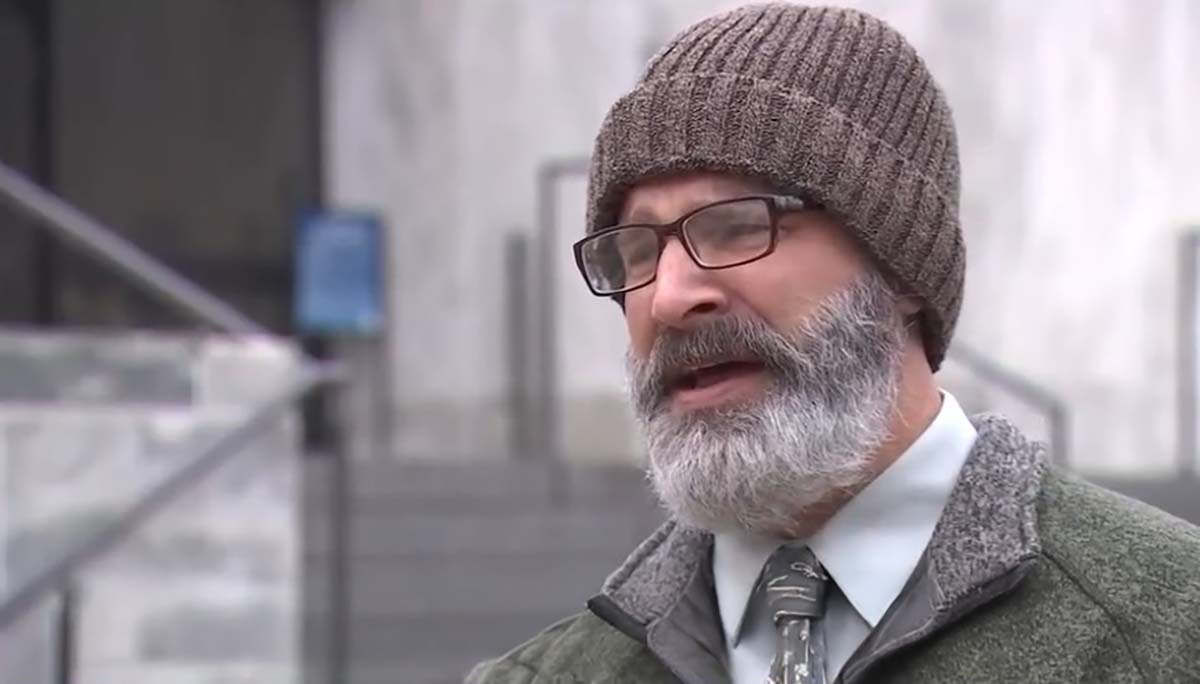
The Salem City Council voted Wednesday night to remove Kyle Hedquist, a convicted murderer, from both the Community Police Review Board and the Civil Service Commission after days of mounting public outrage, threats directed at councilors, and a growing realization that the city had failed at a basic level of due diligence.
The 6–2 vote came during a tense special meeting on Jan. 7, marked by an increased police presence outside City Hall and hours of emotional testimony inside. Two councilors who had previously supported Hedquist’s reappointment reversed course, acknowledging that while they believe in rehabilitation, the situation revealed a serious lapse in judgment and process.
At the center of the controversy is a fact that never should have been overlooked: no background check was conducted before Hedquist was appointed in 2024 to boards tasked with police accountability and public safety oversight.
That omission alone would be alarming. But the broader issue goes much deeper.
Hedquist was convicted of killing 19-year-old Nikki Thrasher in Douglas County in 1994. From everything publicly available, the killing was execution-style. He pleaded guilty at age 18 and was sentenced to life in prison without the possibility of parole. His sentence was later commuted by Gov. Kate Brown in 2022, leading to his release after more than 28 years behind bars.
During Wednesday’s meeting, Hedquist made a final emotional appeal, arguing that the backlash against his appointment was really about discomfort with “a felon” serving on a city board rather than the crime itself.
That framing is deeply troubling.
This is not about a generic felony. This is not about labels. This is about a murder. Time passing does not change that reality, and it does not entitle anyone to public trust in positions tied directly to safety, discipline, and accountability within government.
Nikki Thrasher is still dead. Her family does not get to speak about personal growth or lived experience. They do not get to frame the last three decades as a redemption arc. They live with permanent loss. No amount of rehabilitation, community work, or emotional testimony can balance that scale.
Saying you “live with the consequences every day” is not persuasive. Living with consequences is not an accomplishment. It is the bare minimum expectation after taking a life. And the consequences faced by the person who committed the act are not remotely comparable to the consequences borne forever by the victim’s family.
The meeting itself reflected how deeply divided the city has become. Some speakers argued that Hedquist’s work since his release and his advocacy for criminal justice reform demonstrated meaningful change. Others, including former members of the police review board, questioned his judgment, impulse control, and suitability for roles involving authority over police and fire personnel.
Police and fire union leaders had already raised alarms in December, warning councilors that placing a convicted murderer on oversight boards undermined public trust. That pressure campaign, combined with national media attention and threats directed at at least one councilor, forced the issue back onto the council’s agenda.
In the end, the vote to remove Hedquist was paired with a sweeping policy change. The council unanimously approved new requirements mandating background checks for all applicants to city boards and commissions. They also voted to bar anyone with a violent felony conviction from serving on the police review board and the Civil Service Commission going forward.
Those changes were necessary. But they are also an admission of failure.
This appointment should never have happened. It should not have required public outrage, threats, or national scrutiny to correct it. It should not have been a close vote or a prolonged debate. The city owed residents a direct apology, an immediate correction, and a clear commitment to never allowing such a lapse again.
Anything less signals a dangerous erosion of standards, judgment, and common sense.
The outrage wasn’t performative. It wasn’t political theater. It was the public reacting to a line that never should have been crossed.