
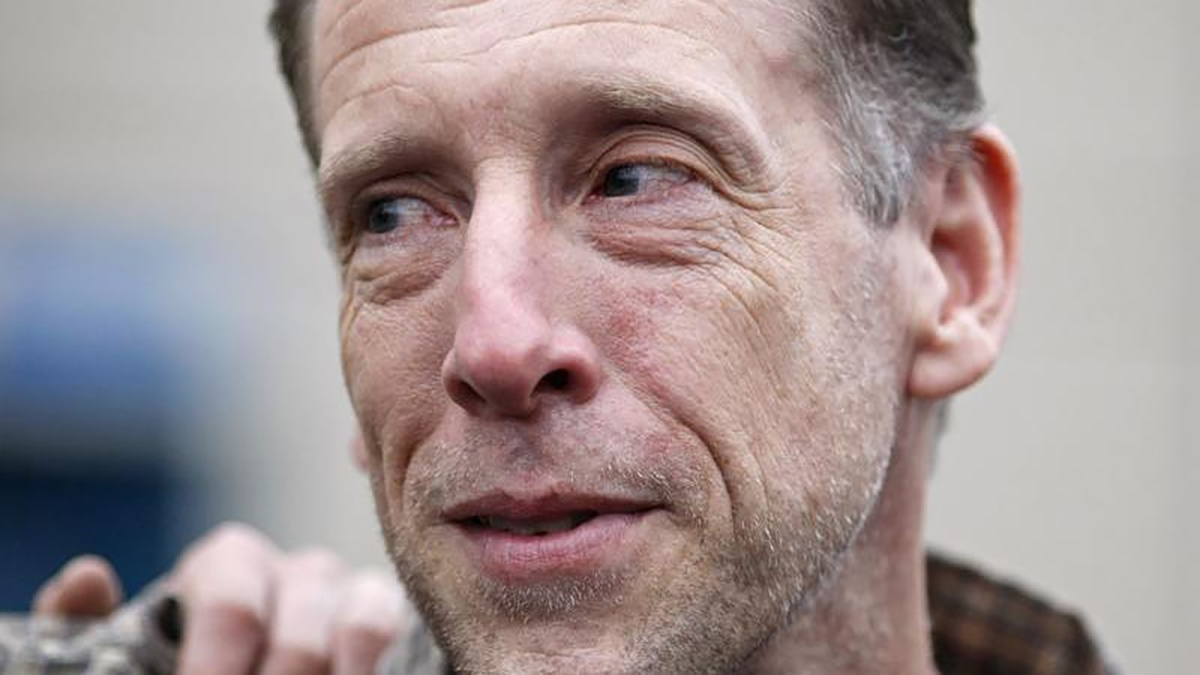
Oregon has agreed to pay $925,000 to a man who spent more than a decade behind bars for a crime he did not commit, a case that is now being cited as one of the state’s most significant wrongful conviction settlements. Philip Scott Cannon was formally granted a certificate of innocence this week, closing a legal chapter that began with a triple homicide investigation more than 25 years ago.
Cannon, a Salem resident, was wrongfully convicted in the 1998 murders of three people at a rural mobile home west of Salem and ultimately spent over 11 years in prison before his conviction was overturned. Court records show the settlement was finalized on January 15, 2026, granting Cannon the full compensation available under Oregon’s wrongful conviction law.
According to a joint announcement from the Innocence Project and the Forensic Justice Project, Cannon received the maximum amount allowed under state law, making him only the second person in Oregon history to receive an official certificate of innocence.
“I’ve been fighting for years to get here,” Cannon said in a statement released by the organizations. “I’m grateful for what the legislature has done to make this right. Now it’s time for the state to do the same for others who were wrongfully convicted.”
The case traces back to November 23, 1998, when Jason Kinser, Suzan Osborne, and Celesta Graves were found shot to death inside a mobile home in rural Polk County. Cannon had been at the residence earlier that day to provide a plumbing estimate, a detail that later became central to investigators’ focus on him.

Do you love Oregon?
Sign up for monthly emails full of local travel inspiration and fun trip ideas. In each newsletter we'll share upcoming events, new things to do, hot dining spots and great travel ideas.
An informant told police that Cannon had been entrusted with money intended to support Graves. During a search of Cannon’s home, investigators reported finding a lockbox containing cash and firearms. He was arrested the following day, indicted by a Polk County grand jury weeks later, and ultimately convicted in February 2000 on three counts of murder.
Despite consistently maintaining his innocence, Cannon was sentenced to three life terms without the possibility of parole.
Much of the prosecution’s case relied on comparative bullet lead analysis, a forensic method that was later discredited. At trial, a prosecutor claimed the odds of bullets from Cannon’s home matching those used in the murders were one in 64 million. The FBI abandoned the technique entirely in 2005 after determining it lacked scientific reliability.
Conviction overturned after 11 years
In September 2009, a Marion County judge vacated Cannon’s conviction. The charges were formally dismissed later that year, and Cannon was released after spending more than 11 years incarcerated for a crime the court ultimately determined he did not commit.
Despite his exoneration, Cannon’s path to compensation proved long and difficult.
A 2022 Oregon law allows wrongfully convicted individuals to receive $65,000 for each year spent in prison and $25,000 per year spent on probation. However, the Department of Justice has opposed many claims under the statute, and only a small number of exonerees have been paid.
Cannon filed a civil lawsuit in 2024 seeking compensation for both his imprisonment and time on parole.
“Mr. Cannon fought long and hard to secure this compensation,” said attorney Andrew Lauersdorf, who represented him. “Even after being exonerated, the process continued to punish a man who never should have been convicted in the first place.”
The settlement marks a rare acknowledgment by the state of Oregon of the harm caused by a wrongful conviction — and highlights the lingering impact flawed forensic science can have on real lives.
For Cannon, the payment and certificate do not erase the years lost, but they represent official recognition of an injustice that took decades to correct.
As Oregon continues to face scrutiny over how it handles wrongful conviction claims, Cannon’s case now stands as both a cautionary tale and a benchmark for accountability.