Oregon Governor Tina Kotek is now urging lawmakers to repeal the very transportation funding law she championed just months ago, but a nearly century-old legal opinion suggests that once voters step in, the Legislature may no longer have that authority.
The controversy centers on the 2025 transportation package passed during a September special session, a sweeping measure designed to raise roughly $4.3 billion over the next decade through higher taxes and fees to fund road maintenance and infrastructure. The law quickly drew public backlash, and petitioners gathered enough signatures to refer major portions of it to the November ballot, effectively pausing most of the scheduled tax increases.
Once the referendum qualified, the political landscape changed. Rather than letting voters decide the fate of the law at the ballot box, Kotek announced on January 7 that she now wants lawmakers to repeal it during the upcoming short legislative session. Supporters argue repeal would give the state flexibility to address transportation funding without forcing Democrats to campaign alongside an unpopular tax increase in an election year.
But there may be a problem. A 1935 Oregon Attorney General opinion, first highlighted this week by the Oregon Journalism Project, states that once a law has been properly referred to voters, the Legislature cannot repeal it. In other words, once the people invoke their constitutional right to a referendum, lawmakers may be legally required to let the election proceed.
Kotek’s office acknowledged it was not previously aware of the 1935 opinion.
“The Legislature will certainly be doing its due diligence on how best to proceed on this issue,” said Kotek spokesperson Elisabeth Shepard.
The Oregon Department of Justice has also weighed in cautiously. A spokesperson for Attorney General Dan Rayfield confirmed the department is aware of the opinion but has not yet determined whether its conclusions would still hold up under modern legal standards.
Republicans, many of whom helped lead the referendum effort, say the law is clear and the governor’s reversal comes too late.
“The Constitution requires an election,” said Senate Republican Leader Bruce Starr of Dundee, one of the chief petitioners behind the referral. “There is no statutory workaround, no procedural loophole, and no legal basis to keep this measure off the ballot. Oregonians demanded a vote, and the law guarantees they will get one.”
House Republican Leader Lucetta Elmer of McMinnville echoed that view, pointing to the referendum process as a core safeguard of Oregon’s democratic system.
“Once a measure qualifies through signature verification, the Secretary of State has a duty to place it before voters,” she said.
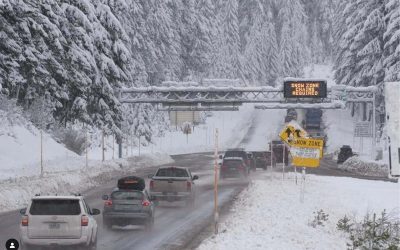
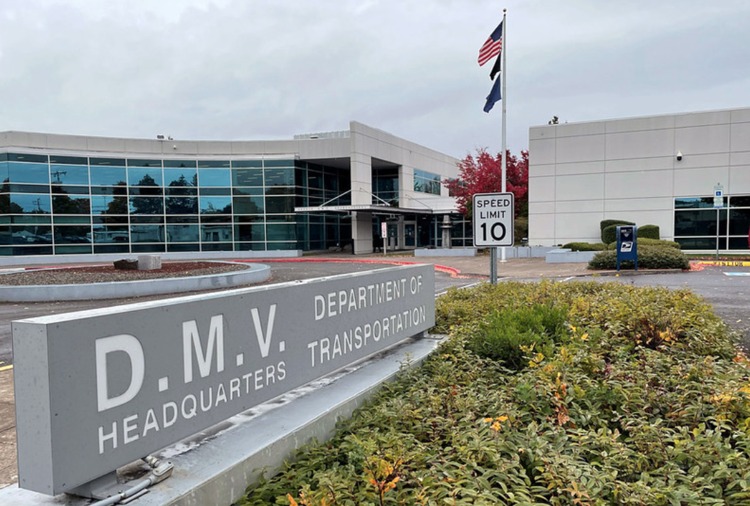
Lawmakers are now back at the Capitol ahead of the February legislative session, where they are expected to look for a short-term solution to Oregon Department of Transportation’s immediate funding gap, estimated at about $242 million for the current budget cycle. Meanwhile, roads across the state continue to deteriorate, and ODOT warns of delayed maintenance and service cuts without new revenue.
What remains unresolved is whether the governor and Legislature can simply undo a voter-referred law to avoid an uncomfortable election-year fight, or whether Oregon’s constitution will force them to do what the referendum process was designed for in the first place: let voters decide.
Either way, the situation highlights a growing tension between leadership decisions made in Salem and public sentiment across the state — and raises an uncomfortable question for those in power. If a law was worth fast-tracking through a special session just months ago, why is it now being treated as something too risky to put before voters?